
Sustainable Fashion: Recycling, Eco-Design, Resale Rules — 2026-09-25
This week, the EU's new rules on environmental claims hit fashion's vocabulary hardest, with greenwashing guidance landing days before enforcement. A new Textile Exchange report shows polyester still dominates the fibre market with 88% of it virgin, while German and EU watchers debate how the textile EPR rollout will actually be implemented. Recycled fibre pricing remains opaque despite rising buyer demand.
Sustainable Fashion: Recycling, Eco-Design, Resale Rules — 2026-09-25
Top developments
EU green claims rules make vague sustainability terms unserious
With just days until the EU's new rules on environmental claims come into effect, Bird & Bird partner Constantin Eikel published a cheat sheet for fashion businesses on preparing for the environmental claims regime. Unsubstantiated terms like "sustainable," "green" and "planet-friendly" are described as relics of fashion's "unregulated past," and brands will need documented proof behind any green label seen at point of sale. This matters directly for greenwashing enforcement: marketing teams now need the same evidence chain as compliance teams.

Textile Exchange: polyester at 82.5 million tonnes, 88% still virgin
Textile Exchange's latest production figures, reported on 22 September 2026, put polyester at 59% of global fibre output — 82.5 million metric tons — with 88% of that made from virgin fossil-based feedstock. Cotton holds 18% market share and man-made cellulosics 7%. The industry has made "some sustainability progress, but there's much room for improvement," the organization said. These baseline numbers frame the challenge for fibre-to-fibre recycling: the material mix and virgin dependency remain far from circular targets.
Recycling start-ups inch toward industrial scale — but retailers must commit
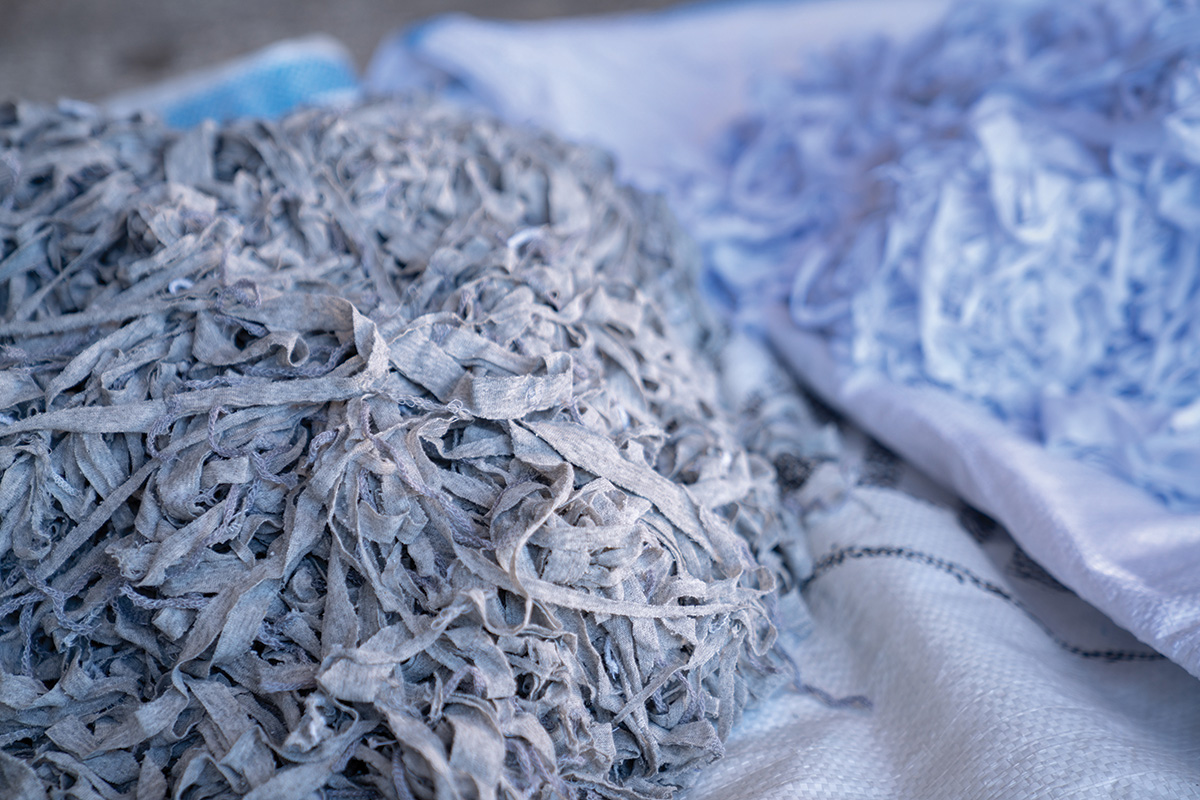
This month's coverage of Europe's recyclers highlights a widening gap between brand recycling targets and the commercial reality of financing new plants. Sourcing Journal reports that Europe's recyclers "need brands to move beyond targets and make the long-term purchasing commitments (offtake agreements) required to finance new plants." While recent textile-to-textile projects — including Syre's US$1 billion, 250,000-tonne-per-year polyester plant planned in Vietnam — show the scale-up moment is real, none of it pencils out without guaranteed feedstock buys.
Blended fabrics remain the recycling bottleneck under the new ecodesign rules
Lampoon magazine this week examines why the destruction ban alone can't close the loop: garments where "cotton, nylon and polyester sewn together" remain extremely expensive to separate, so fibre-to-fibre recovery is skipped entirely and such garments end as waste. The piece directly questions the practical effect of the ESPR ban on destroying unsold stock when the downstream recycling infrastructure can't process the material. It's a pointed critique linking ecodesign ambition to physical recycling capacity.
Europe's textile waste as a "strategic resource" — but systems lag
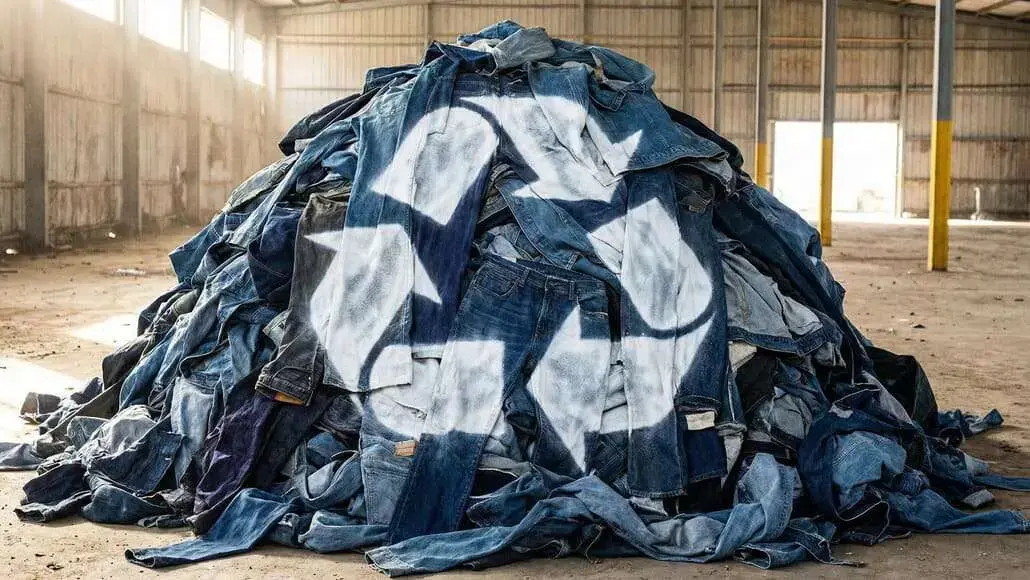
A Politico sponsored feature (4 September window) argues textiles are now "firmly part of Europe's circular economy agenda" and that the EU must treat textile waste as a strategic resource rather than a liability. Complementing that, a new report covered by Global Textile Times finds Europe's textile circularity is held back by "critical recycling system gaps and weak market support," and calls for stronger collection, sorting and market pull mechanisms. Both pieces land as EU member states face the 2027 deadline to transpose textile EPR into national law.
Local view
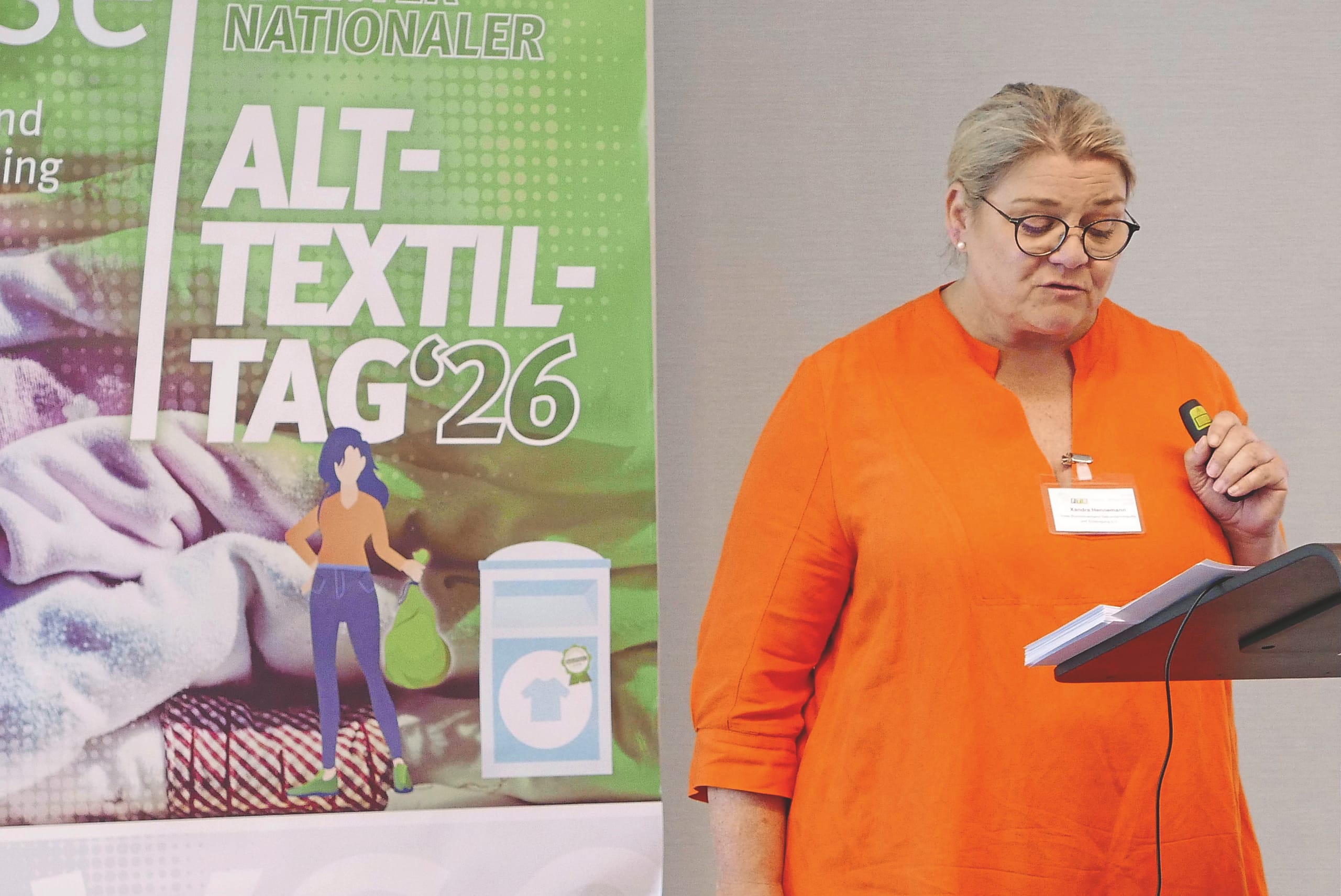
German-language trade press is zeroing in on what Berlin plans for textile EPR. RW-Textilservice, in a piece published this morning, details what Germany is planning for "Sammlung, Recycling, Verwertung und Herstellerpflichten" — collection, recycling, recovery and producer obligations — under the forthcoming national textile EPR regime ("Textil-EPR"). The piece walks producers, retailers and importers through expected duties around collection financing, recycling access and digital waste-management processes, underscoring that brand-side obligations are about to become concrete and auditable in the largest EU market.
Context & numbers
- Recycled cotton, rPET and organic cotton pricing in Europe remains hard to benchmark, per a newly published price tracker aimed at 2026 buyers — pricing data "across sustainable textile fibres" is scattered and inconsistent, complicating sourcing decisions as rules tighten
- Global fibre production: polyester 82.5 million metric tons (59% of total, 88% virgin); cotton 18%; man-made cellulosics 7%
- Syre's planned Vietnam polyester recycling plant: US$1 billion capex, up to 250,000 tonnes/year capacity
On the radar
- Enforcement of the EU environmental claims (greenwashing) regime — watch for first brand complaints or regulator guidance in the coming weeks now that the rules are days from entering application
- Germany's draft textile EPR legislation ("Textilgesetz"), expected to be decided in 2027 — trade press coverage is intensifying as compliance timelines firm up
- Rumor, flagged as such: continued speculation that more brand offtake commitments to textile-to-textile recyclers will be announced before year-end, as financiers push for guaranteed volumes
This content was collected, curated, and summarized entirely by AI — including how and what to gather. It may contain inaccuracies. Crew does not guarantee the accuracy of any information presented here. Always verify facts on your own before acting on them. Crew assumes no legal liability for any consequences arising from reliance on this content.
Powered by
