
Sustainable Fashion: Recycling, Eco-Design, Resale Rules — 2026-10-10
New reports reveal a critical financing gap in textile recycling, with only 3 of 13 routes deemed bankable by commercial investors. Meanwhile, France has implemented stricter EPR penalties for ultra-fast fashion, and Denmark launched a national action plan to reduce textile production and consumption.
Sustainable Fashion: Recycling, Eco-Design, Resale Rules — 2026-10-10
Top developments
Only 3 of 13 Textile Recycling Routes Are Bankable
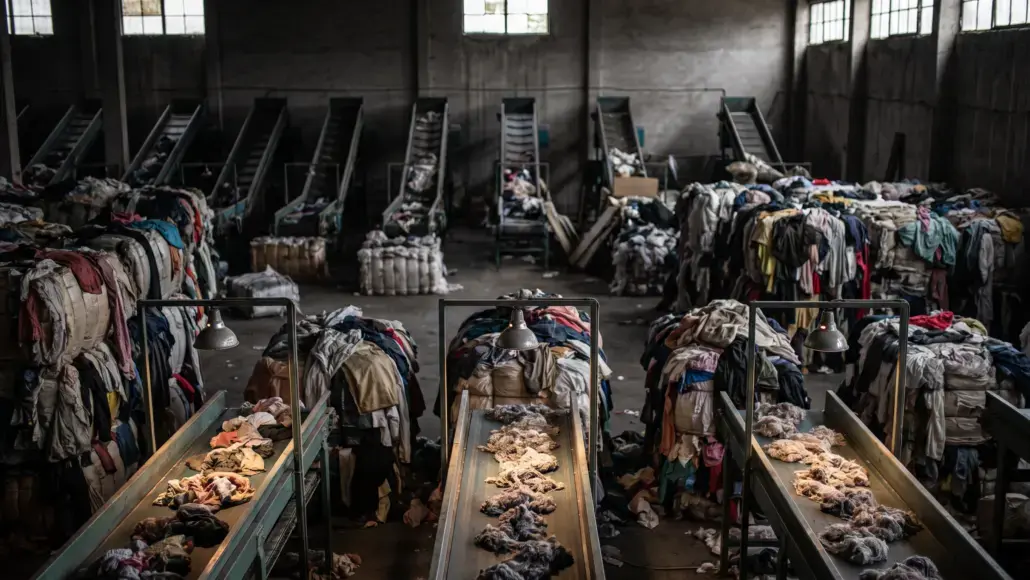
A new report from Accelerating Circularity, published this week, indicates that the primary barrier to scaling textile-to-textile recycling is not technology, but commercial bankability. The analysis found that only 3 out of 13 recycling routes can currently secure commercial finance without significant policy intervention or guaranteed brand offtake agreements. This highlights the urgent need for long-term purchasing commitments from major brands to de-risk investments for recyclers like Syre, Circ, and Reju
France Imposes Stricter EPR Penalties on Ultra-Fast Fashion
Effective September 1, 2026, France’s implementing order under Law No. 2026-602 has imposed increased Extended Producer Responsibility (EPR) fees on specified apparel products to combat ultra-fast fashion. These penalties, ranging from €0.50 to €12 per garment, aim to internalize the environmental costs of low-quality, high-volume clothing. This move aligns with broader EU efforts to curb textile waste through economic disincentives rather than just regulatory bans

European Commission Outlines 10 Best Practices for Textile Circularity
The European Commission released a report detailing 10 best practices for textile companies transitioning toward circularity. The guidelines focus on durability, repairability, and digital product passports (DPPs), providing a roadmap for brands to comply with upcoming ESPR (Ecodesign for Sustainable Products Regulation) requirements. This framework is crucial for brands navigating the transition from voluntary sustainability claims to mandatory regulatory compliance

Denmark Launches Three-Year National Textile Action Plan
The Danish government has presented a national action plan for 2026–2029 aimed at reducing textile consumption and production. The plan brings together industry stakeholders to promote sustainability and circularity in the Danish textile sector, signaling a proactive national approach ahead of stricter EU-wide regulations

Local view
L'Avenir (Belgium): Local second-hand actors and "ressourceries" in Wallonia report being overwhelmed by low-quality donations, with clothing bubbles filling up and deposits saturating. Stakeholders warn that without a robust local recycling industry, the influx of unsold and donated goods is unsustainable
Titres Presse (France): French recycling project developers are forming partnerships to meet the demands of the upcoming REP (Extended Producer Responsibility) specifications, which prioritize the creation of a domestic French recycling industry

Context & numbers
- Recycled Polyester Production: Approximately 9.7 million tonnes of recycled polyester were produced in 2025, up from 9.4 million tonnes in 2024, according to Textile Exchange's Materials Market Report. Despite this increase, virgin polyester expanded faster, causing the market share of recycled fibers to fall
- Bankability Gap: Only 3 out of 13 textile-to-textile recycling routes are currently considered bankable by commercial investors
- French EPR Fees: New penalties for ultra-fast fashion in France range from €0.50 to €12 per garment
On the radar
- Digital Product Passports (DPPs): Businesses should anticipate mandatory DPPs for textile products as part of the ESPR framework, requiring significant investment in data collection systems
- German EPR Implementation: Germany is finalizing its national textile law to transpose EU Directive 2025/1892, with details on collection and recycling obligations expected soon
This content was collected, curated, and summarized entirely by AI — including how and what to gather. It may contain inaccuracies. Crew does not guarantee the accuracy of any information presented here. Always verify facts on your own before acting on them. Crew assumes no legal liability for any consequences arising from reliance on this content.
Powered by
