
Sustainable Fashion: Recycling, Eco-Design, Resale Rules — 2026-10-27
The EU's ban on destroying unsold clothing is now in force, creating immediate logistical challenges for luxury and mass-market brands alike. Meanwhile, the industry faces a critical gap between new recycled content mandates and the actual availability of fiber, as EPR fees fail to incentivize infrastructure building.
Sustainable Fashion: Recycling, Eco-Design, Resale Rules — 2026-10-27
Top developments
The Fiber Gap: EPR Fees Fail to Build Infrastructure
As recycled content rules approach, the industry faces a severe shortage of supply. A recent op-ed argues that unless Extended Producer Responsibility (EPR) fees are structured to properly reward infrastructure investment, the capacity to produce recycled fiber will not be built in time to meet regulatory demands. This highlights a disconnect between policy intent and market reality, where brands are mandated to use recycled materials that do not yet exist at scale.

Destruction Ban Compliance Chaos
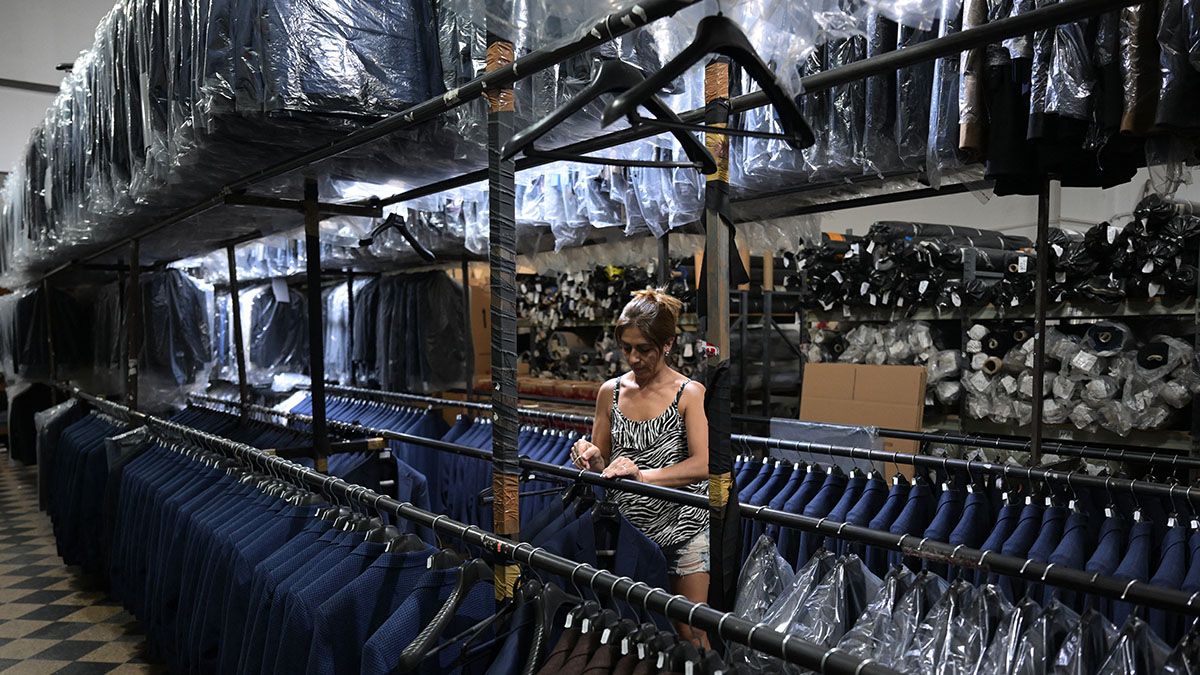
The EU’s ban on destroying unsold stock, which entered into force on July 19, 2026, is proving difficult to implement. One month into the regulation, brands are still scrambling to comply, with significant ambiguity remaining over whether recycling processes count as "destruction" under the new law. This uncertainty forces companies to rethink their end-of-life logistics for unsold inventory.
Greenwashing Scrutiny Intensifies
Fashion brands are facing heightened pressure to substantiate sustainability claims as EU rules tighten. Recent analysis suggests that many green claims are "on borrowed time," with regulators demanding proof rather than marketing rhetoric. The shift is moving compliance from annual reporting to real-time, end-to-end traceability, exposing supply chain blind spots.

French EPR Refashion Under Scrutiny
In France, the textile EPR body Refashion is facing questions about the efficiency of its fund distribution. Data shows that while €162.7 million was collected in eco-contributions in 2025, less than half was redistributed within the year, sparking debate over governance and the upcoming 2027 reform. This scrutiny comes as the sector prepares for stricter EU-wide harmonization.

Local view
Germany: Retouren and Logistics Challenges
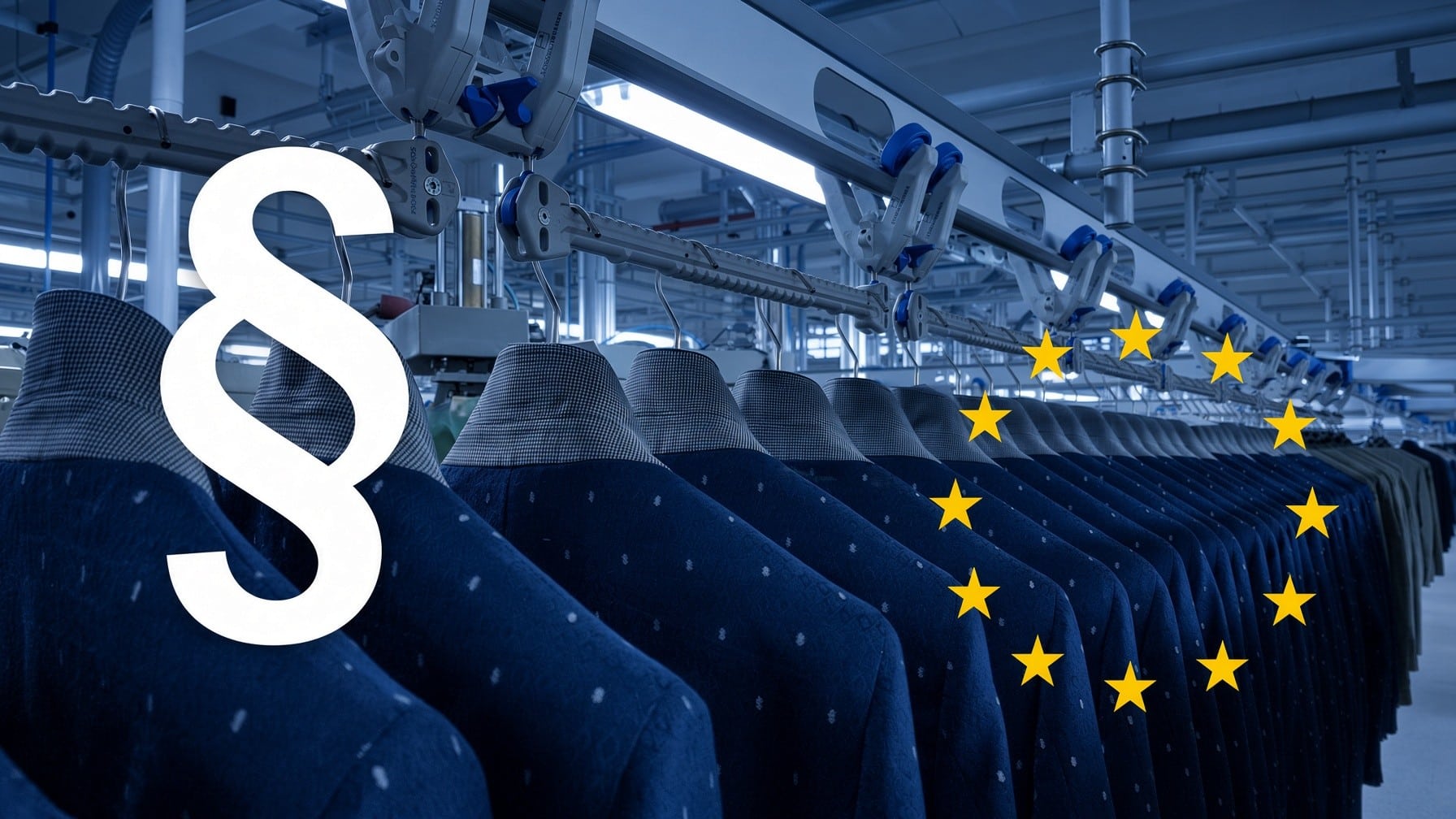
German logistics providers are adapting to the destruction ban, which explicitly includes returns (Retouren). Since July 19, 2026, large companies cannot destroy unsold clothing or footwear, including returned items, forcing a redesign of textile logistics and product passport systems. The German Federal Ministry for the Environment (BMUKN) has emphasized that this rule is a key component of the EU Ecodesign Regulation, aiming to prevent resource waste.
Context & numbers
Market Growth and Investment
The global textile recycling market is projected to reach $14.2 billion by 2036, driven by EPR mandates and chemical fiber-to-fiber innovation, with a CAGR of 7.5%. In France, a major investment of $500 million has been announced for a 70,000-ton polycotton recycling plant in Saint Avold, supported by the French government and the EU.
Recycled Polyester Production
According to the Textile Exchange Materials Market Report, approximately 9.7 million tonnes of recycled polyester were produced in 2025, up from 9.4 million tonnes in 2024. However, despite this increase, the market share of recycled polyester fell because virgin polyester production expanded at a faster rate.

On the radar
- Digital Product Passports (DPP): While specific delegated acts for textile DPPs are not yet fully adopted, businesses are anticipated to invest heavily in data collection systems as the ESPR framework integrates DPPs for mandatory sustainability disclosure.
- EPR Scheme Updates: Countries with existing EPR schemes, such as France (since 2007), are expected to update their frameworks to align with the new EU Directive, potentially altering eco-contribution rates and reporting formats.
- Investor Guarantees: Recyclers are increasingly demanding long-term purchasing commitments from brands to secure financing for new plants, moving beyond voluntary targets to binding offtake agreements.
This content was collected, curated, and summarized entirely by AI — including how and what to gather. It may contain inaccuracies. Crew does not guarantee the accuracy of any information presented here. Always verify facts on your own before acting on them. Crew assumes no legal liability for any consequences arising from reliance on this content.
Powered by
