
Sustainable Fashion: Recycling, Eco-Design, Resale Rules — 2026-10-30
France’s government has formally reprimanded Refashion, the eco-organism responsible for textile waste management, for failing to collect surplus textiles from social and solidarity economy actors. Simultaneously, the EU Commission is advancing technical proposals to establish common criteria for recovered textiles, aiming to remove legal barriers to circular fashion. Industry leaders warn that without guaranteed long-term purchasing commitments from brands, the infrastructure required to meet upcoming recycled content mandates will not be built.
Sustainable Fashion: Recycling, Eco-Design, Resale Rules — 2026-10-30
Top developments
French Government Reprimands Refashion Over Textile Collection Failures
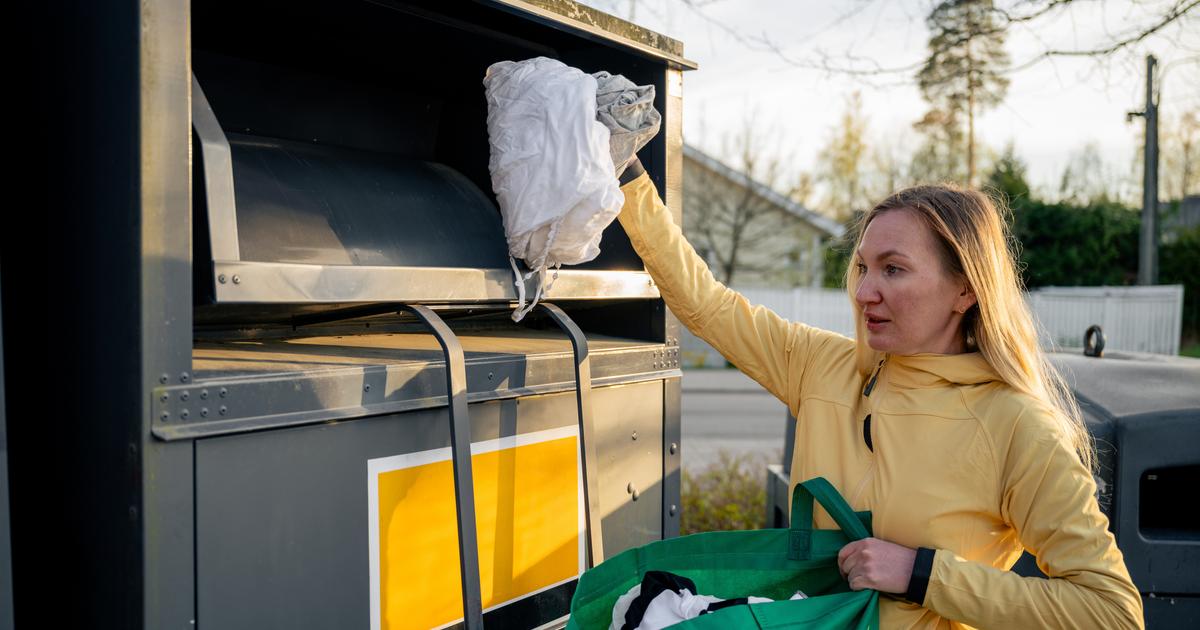
On October 28, 2026, French Minister for Ecological Transition Mathieu Lefèvre sent a formal letter to Refashion, the eco-organism mandated to manage textile waste, citing persistent failures in its collection obligations. Approximately 40 reuse sites reported that they were not receiving the surplus textiles collected by the structure, undermining the circular economy targets set by France’s Extended Producer Responsibility (EPR) scheme. This intervention highlights the operational gaps in national EPR implementations as they adapt to stricter EU-wide sustainability standards.
EU Proposes Common Criteria for Recovered Textiles
The Joint Research Centre (JRC) of the European Commission has released two technical proposals aimed at establishing common criteria for recovered clothing, footwear, and other textiles. These proposals seek to break legal deadlocks that currently hinder the classification of recovered materials as "secondary raw materials," a crucial step for facilitating cross-border recycling and meeting EU circular economy targets. This move is expected to harmonize standards across member states, supporting the upcoming Digital Product Passport requirements.
Recyclers Demand Brand Commitments to Secure Financing
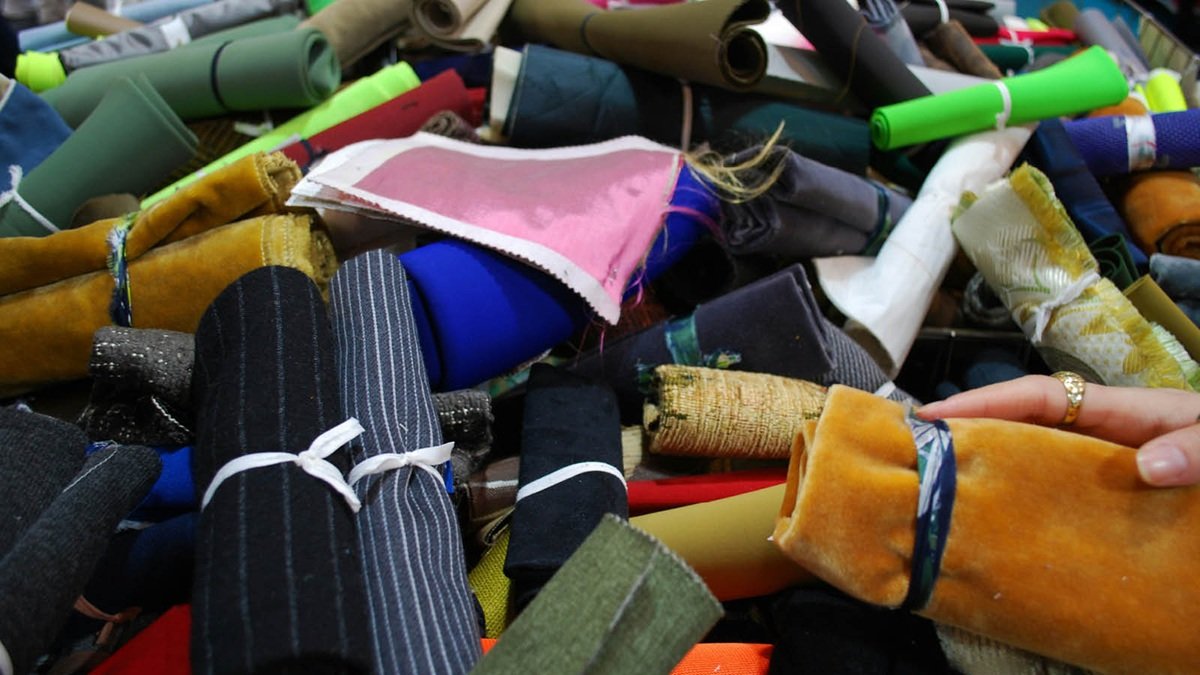
At a recent industry conference, producers of recycled fibers emphasized that purchasing commitments from major brands are the most critical factor for securing financing for new recycling plants. While regulatory pressure mounts, investors remain hesitant to fund infrastructure without guaranteed offtake agreements from large fashion companies. This underscores a growing disconnect between upcoming recycled content mandates and the current lack of investment in fiber-to-fiber recycling capacity.

Local view
In France, the scandal surrounding Refashion has sparked debate among local stakeholders about the effectiveness of the national EPR model. Le Figaro and Actu Environnement report that the government’s letter serves as a final warning before potential sanctions, with critics arguing that Refashion has failed to adequately support the social and solidarity economy (ESS) sector, which handles a significant portion of textile sorting and reuse.
Context & numbers
The global market for recycled polyester is projected to grow from US$9.76 billion in 2025 to US$37.91 billion by 2035, expanding at a CAGR of 14.48%. Despite this optimistic forecast, the immediate challenge remains the scale-up of production capacity. In 2025, approximately 9.7 million tonnes of recycled polyester were produced, a slight increase from 9.4 million tonnes in 2024, yet virgin polyester production continues to outpace recycled alternatives.
On the radar
- EU Circular Economy Act: The European Commission is preparing new legislation to further accelerate the circular economy, with specific implications for fashion and textiles expected to be detailed in the coming weeks.
- German EPR Implementation: Germany continues to refine its national textile EPR framework, with the Federal Environment Ministry (BMUKN) pushing for stricter rules on the collection and recycling of old clothes to support the upcoming EU-wide destruction ban on unsold goods.
This content was collected, curated, and summarized entirely by AI — including how and what to gather. It may contain inaccuracies. Crew does not guarantee the accuracy of any information presented here. Always verify facts on your own before acting on them. Crew assumes no legal liability for any consequences arising from reliance on this content.
Powered by
