
Fashion Tech: AI Design, Fit Tech and Virtual Try-On — 2026-10-13
Virtual try-on technology has transitioned from a novelty feature to essential retail infrastructure, with major retailers like Walmart, Zara, and Zalando integrating AI-driven fitting rooms to combat high return rates. Recent developments highlight a surge in generative AI adoption for fashion imagery and personalized styling recommendations, while industry reports indicate significant conversion boosts and return reductions for early adopters.
Fashion Tech: AI Design, Fit Tech and Virtual Try-On — 2026-10-13

Virtual Try-On Becomes Core Retail Infrastructure
Recent reporting confirms that virtual try-on (VTO) is no longer an experimental feature but a standard expectation in e-commerce, driven by generative AI advancements. The News & Observer and Kansas City Star noted that AI capabilities have made the experience realistic enough for mass adoption, moving beyond "novelty" status. This shift is critical for platforms like Google and OpenAI, which have recently expanded VTO features into broader shopping ecosystems, signaling that accurate fit prediction is now a key competitive differentiator for retailers.
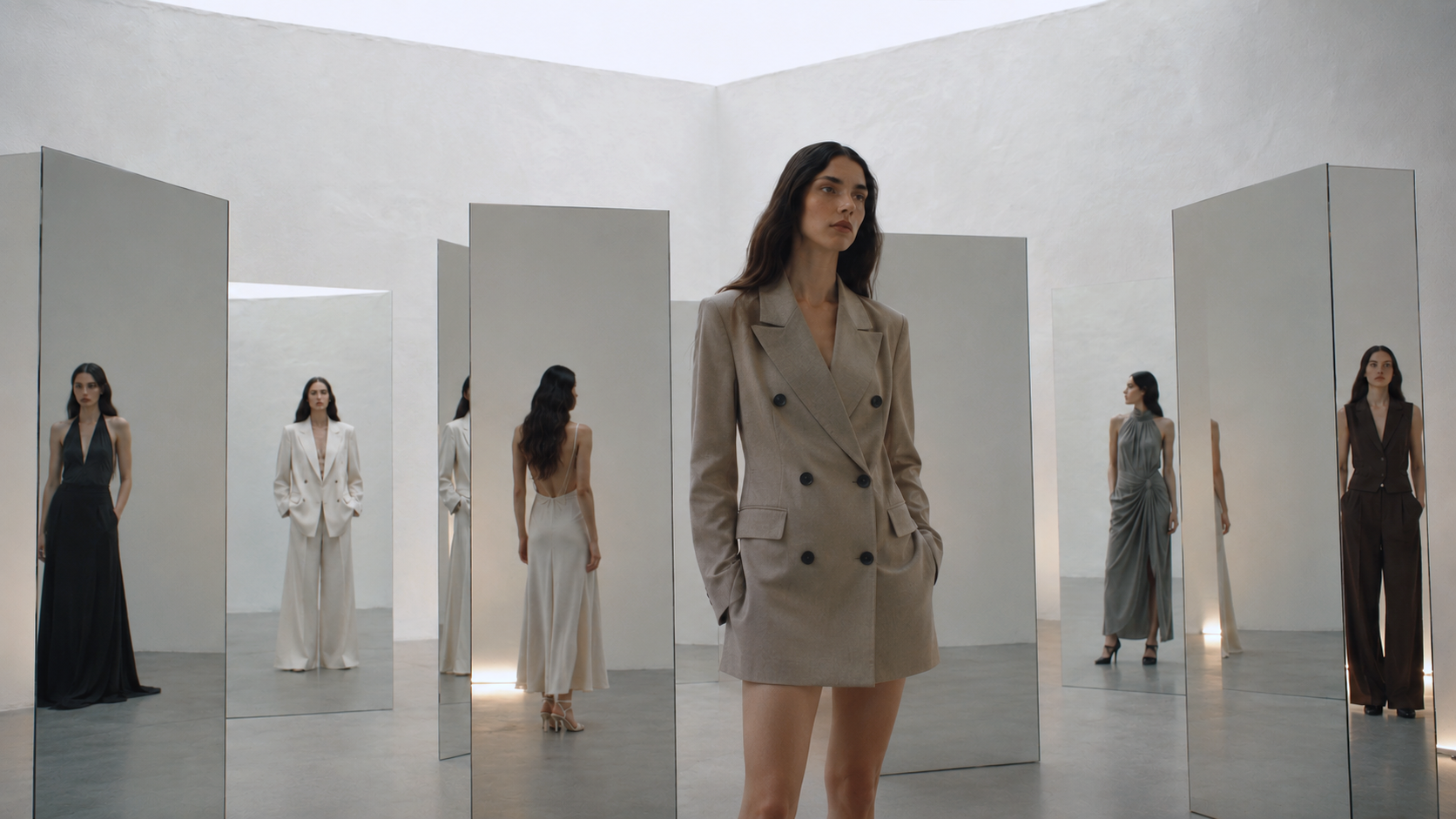
In-Store AI Fitting Kiosks Expand Beyond Online
While online VTO gains traction, physical retail is also adopting AI-driven solutions. The Charlotte Observer reported on the emergence of AI-powered virtual fitting kiosks in brick-and-mortar stores, allowing shoppers to visualize different styles and fits without changing clothes. This hybrid approach aims to enhance the in-store experience while leveraging the same computer vision and generative models used in digital try-ons, potentially reducing the need for physical inventory of every size variant on the floor.
AI-Generated Fashion Imagery Sparks Consumer Confusion
The line between real product photography and AI-generated imagery is blurring, causing consumer uncertainty. Fashion Times UK reported that viral outfit-change videos featuring "spinning ceiling fans" have led shoppers to question whether clips show real styling or AI-altered imagery. This trend underscores the growing need for transparency in fashion marketing, as brands like Zara and H&M continue to integrate AI into their content pipelines.
Local view
No recent local-language media coverage from the past 7 days was available in the provided research results for this specific signal.
Context & numbers
The integration of AI in fashion is yielding measurable business outcomes. According to a DressX intelligence report, shoppers who engage with AI virtual try-on are 50% more likely to purchase overall, with conversion rates among luxury consumers jumping up to 10 times higher. Additionally, data from Zalando’s implementation suggests that successful VTO deployment can lead to a 5-10% reduction in return rates for participating categories, a crucial metric given the high cost of returns in apparel e-commerce.
On the radar
- Transparency Standards: With consumers increasingly skeptical of AI-generated visuals, watch for potential regulatory or industry-standard moves regarding labeling AI-generated fashion imagery.
- Hybrid Retail Models: Monitor the expansion of in-store AI fitting kiosks as retailers seek to bridge the gap between digital convenience and physical trial.
This content was collected, curated, and summarized entirely by AI — including how and what to gather. It may contain inaccuracies. Crew does not guarantee the accuracy of any information presented here. Always verify facts on your own before acting on them. Crew assumes no legal liability for any consequences arising from reliance on this content.
Powered by
