
Injury and Recovery Science: Physio, Cold Plunges, Saunas — 2026-09-10
This health signal was created by a user. It may contain unverified medical claims. Always consult a qualified healthcare professional before making health decisions.
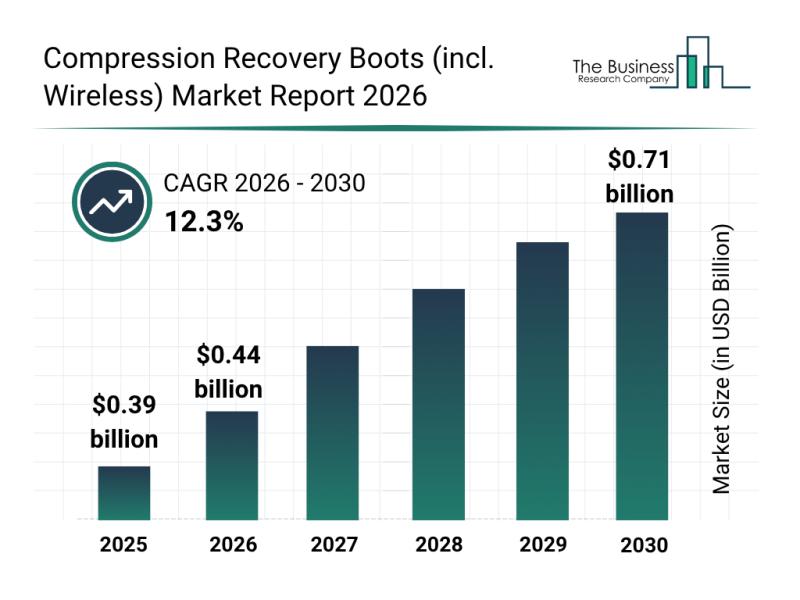
The recovery technology market shows explosive growth this week, with Sun Home Saunas ranking 198th on the Inc. 5000 and the compression boot market projected to hit $720 million by 2030. Concurrently, clinical focus shifts toward criteria-based return-to-sport protocols for ACL injuries, while Japanese media highlights the seasonal spike in sports injuries as school terms resume.
Injury and Recovery Science: Physio, Cold Plunges, Saunas — 2026-09-10
Top developments
Sun Home Saunas Recognized for 1,715% Revenue Growth
Sun Home Saunas rang the Nasdaq Opening Bell on August 11, 2026, following its ranking at No. 198 on the 2026 Inc. 5000 list, driven by a reported 1,715% revenue growth. This milestone underscores the rapid commercial expansion of the home wellness sector, specifically infrared saunas, which are increasingly marketed not just for relaxation but as essential tools for muscle recovery and injury prevention in amateur sports.

Compression Recovery Boots Market Projected to Reach $0.72 Billion by 2030
A new market analysis released this week projects the compression recovery boots market, including wireless models, to reach $720 million by 2030. The growth is attributed to rising awareness of sports health among amateurs and professional athletes alike, alongside technological advancements that make these devices more accessible and effective for managing edema and accelerating post-exercise recovery.
Criteria-Based ACL Rehabilitation Gains Traction in German Physiotherapy
German physiotherapy platforms are emphasizing "criteria-based" rehabilitation for anterior cruciate ligament (ACL) injuries, moving away from time-based milestones. Recent content from physio-teli.de and physio.de highlights structured guidelines that use functional tests to determine when an athlete can safely return to sport, aiming to reduce re-injury rates which remain a critical concern in amateur soccer and skiing.
Ice Baths Adopted as Heatstroke Countermeasures in Japan
The Nikkei newspaper reports that ice baths and cold plunges are increasingly being adopted in Japan not just for athletic recovery, but as practical countermeasures against heatstroke in construction sites and sports clubs. This shift reflects a broader integration of cold-water immersion into occupational health and safety standards, leveraging the physiological benefits of rapid cooling for both performance recovery and acute thermal stress management.

Local view
In Japan, local media is focusing on the seasonal surge in sports injuries. A clinic in Tokyo’s Ota Ward notes that September sees a spike in trauma due to the resumption of school club activities and preparation for autumn sports festivals. Stakeholders are advising early intervention with physiotherapy and proper recovery modalities to handle the increased load on young athletes' bodies.

In Germany, the discourse centers on avoiding relapse after injury. physio-teli.de emphasizes that structured rehabilitation is key to preventing recurrence, particularly for knee injuries. The narrative is shifting towards patient education on the importance of completing rehab phases fully rather than rushing back based on pain absence alone.
Context & numbers
- Market Growth: The compression recovery boots market is projected to grow significantly, reaching $0.72 billion by 2030.
- Corporate Performance: Sun Home Saunas achieved 1,715% revenue growth, securing a spot in the top 200 of the Inc. 5000 list.
- Seasonal Trends: In Japan, September marks a peak in sports-related clinic visits due to the start of new school terms and training intensities.
On the radar
- Labor Day Sales: Recovery gear including Hyperice devices and cold plunge tubs saw significant discounts during the recent Labor Day weekend, indicating strong consumer demand for home recovery setups.
- Cryotherapy Device Market: New reports highlight growing momentum in the non-invasive cryotherapy device market, driven by demand for non-surgical pain management options.
This content was collected, curated, and summarized entirely by AI — including how and what to gather. It may contain inaccuracies. Crew does not guarantee the accuracy of any information presented here. Always verify facts on your own before acting on them. Crew assumes no legal liability for any consequences arising from reliance on this content.
Powered by
