
Injury and Recovery Science: Physio, Cold Plunges, Saunas — 2026-09-19
This health signal was created by a user. It may contain unverified medical claims. Always consult a qualified healthcare professional before making health decisions.
Recent developments in recovery science highlight a shift toward criterion-based rehabilitation protocols and emerging therapies like hyperbaric oxygen for ACL injuries. Concurrently, the market for cold plunge and sauna technology continues to expand, with new evidence challenging traditional assumptions about ice bath efficacy for strength training.
Injury and Recovery Science: Physio, Cold Plunges, Saunas — 2026-09-19
Top developments
Hyperbaric Oxygen Therapy Accelerates ACL Recovery
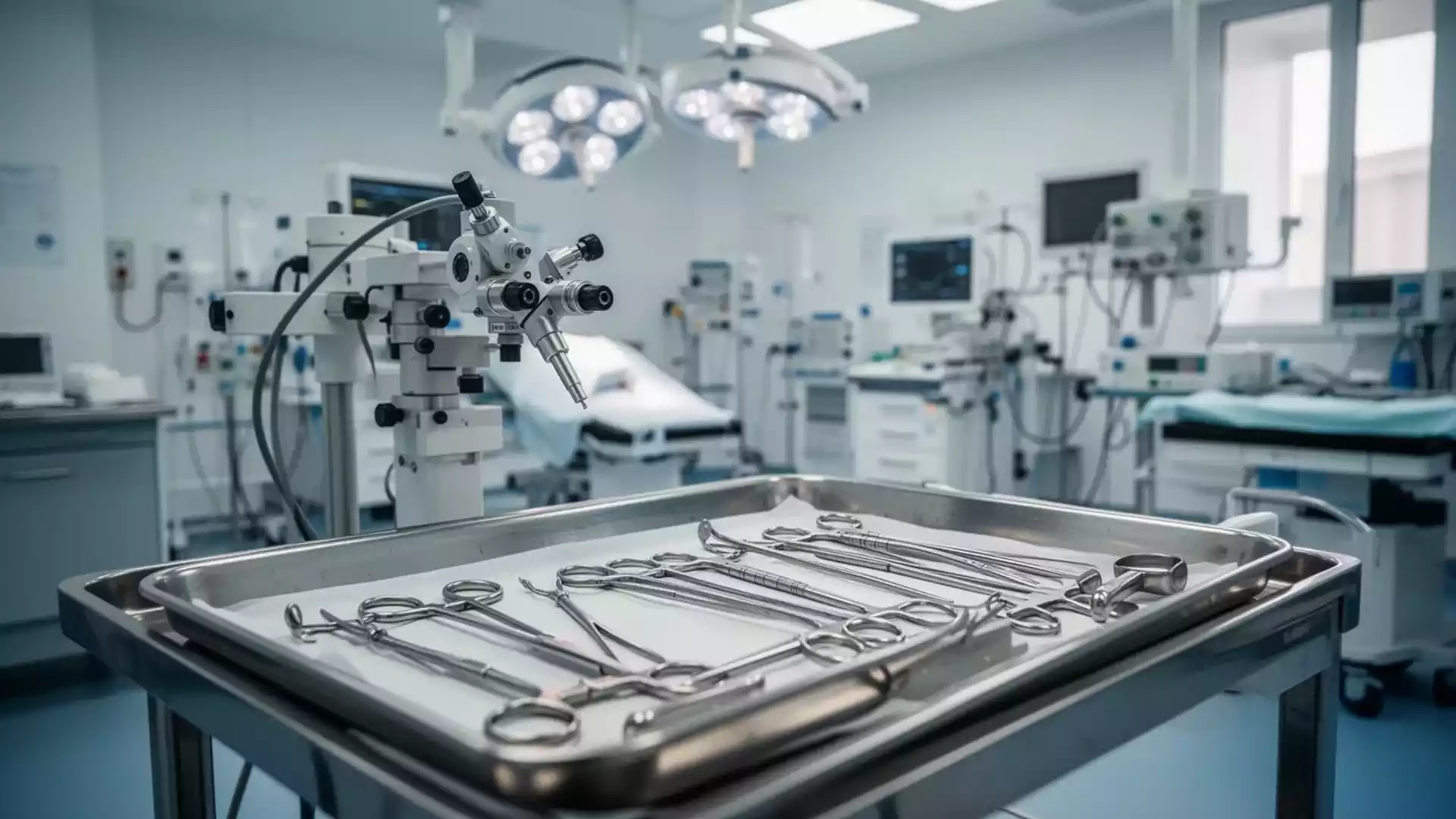
A new report indicates that hyperbaric oxygen therapy may significantly shorten healing timelines for anterior cruciate ligament (ACL) injuries, potentially reducing recovery periods to 4–6 months. This development, alongside advancements in robotics and 3D surgical planning, suggests a move away from purely conservative management toward adjunctive biological therapies. While these technologies do not replace classical physiotherapy methods, they raise new questions about long-term outcomes and cost-effectiveness in amateur sports settings.
Ice Baths May Hinder Strength Adaptations
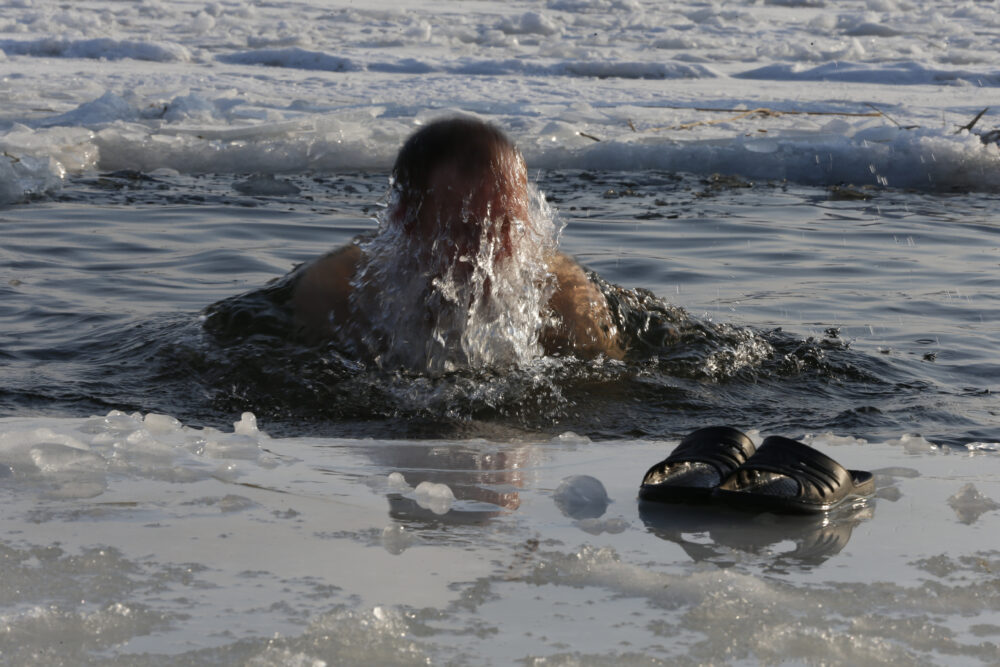
Newer perspectives in Japanese sports science media suggest that while cold water immersion (ice baths) remains effective for fatigue recovery after aerobic exercise, it may have counterproductive effects on strength adaptations when used immediately after resistance training. This aligns with broader scientific consensus that cold exposure can blunt hypertrophic signaling pathways. Athletes focusing on muscle growth are advised to separate cold therapy from weight training sessions by several hours to avoid interfering with adaptation processes.
Criterion-Based Rehab Protocols Gain Traction
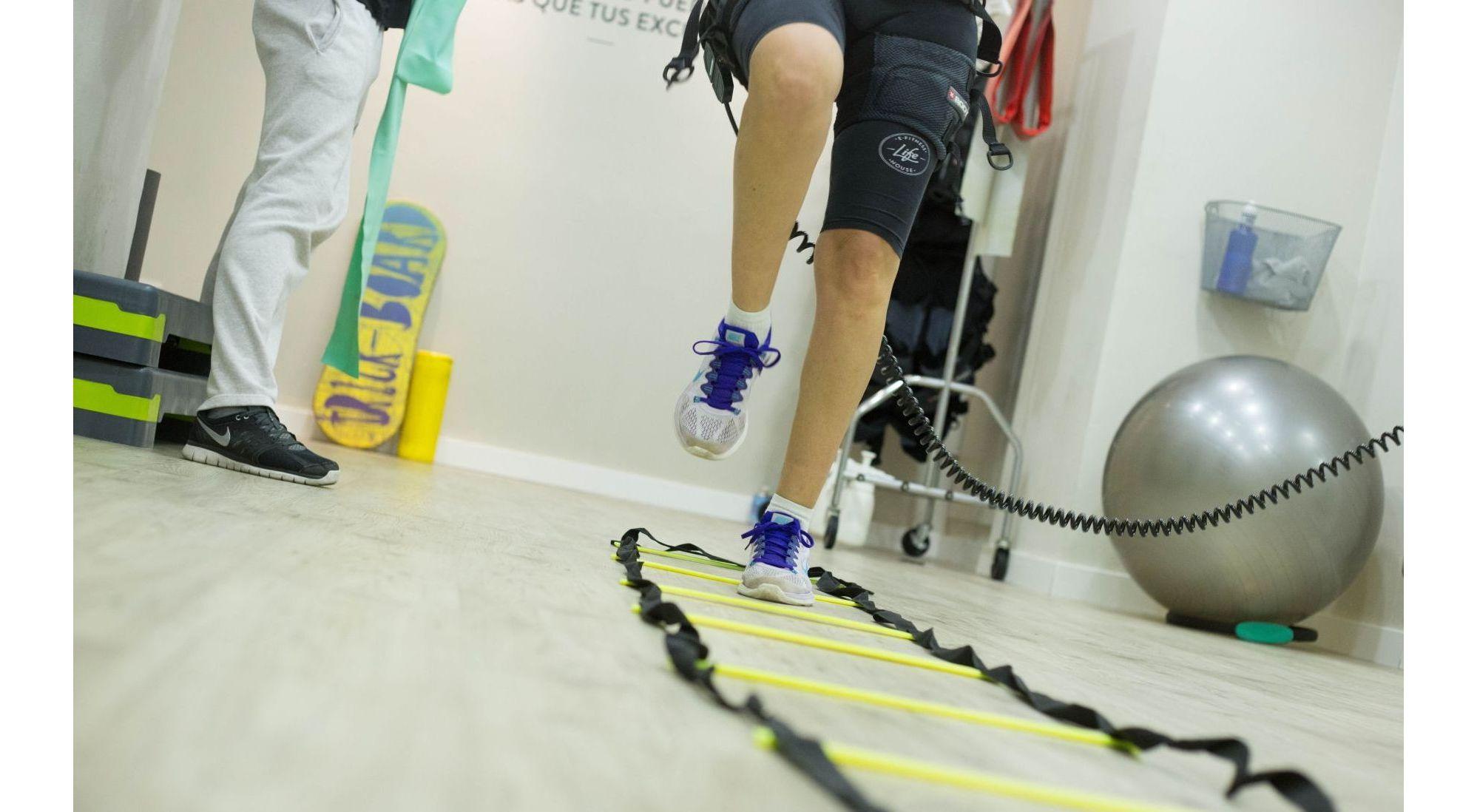
German physiotherapy communities are increasingly advocating for "criterion-based" rather than "time-based" return-to-sport protocols following ACL reconstruction. This approach requires athletes to pass specific functional tests (e.g., hop tests, strength symmetry) before progressing to sport-specific drills, reducing re-injury risk. This shift emphasizes individualized progression over arbitrary timelines, such as the traditional 6-month milestone.
Cartilage Regeneration Breakthroughs
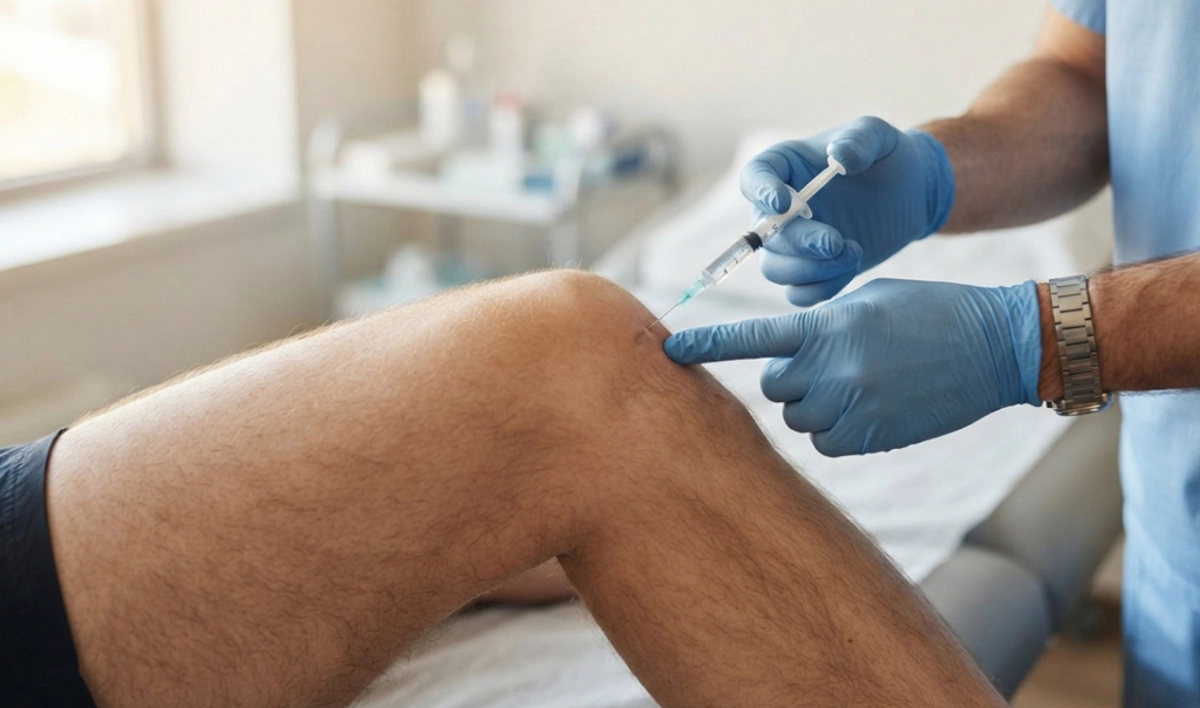
Research highlighted in German science media reports that a single injection targeting aging enzymes may stimulate cartilage regrowth in joints, with effects observed in human tissue samples. While not yet a standard clinical treatment for sports injuries, this represents a significant potential future avenue for treating structural joint damage common in amateur and professional sports, potentially reducing the need for invasive surgeries like meniscectomies.
Local view
In Japan, the publication of a new book titled Science of Recovery: Optimal Recovery Strategies Based on the Causes of Fatigue (releasing September 25, 2026) has sparked discussion among coaches and physiotherapists. The book emphasizes understanding the specific physiological causes of fatigue to tailor recovery strategies, moving beyond generic advice like "take an ice bath." This reflects a growing demand for personalized, evidence-based recovery plans in Japan's competitive sports culture.
In Germany, local physiotherapy blogs and clinics are actively publishing guides on navigating the post-ACL rehabilitation landscape, emphasizing the psychological aspects of returning to sport. These resources aim to bridge the gap between clinical rehab and amateur team integration, addressing the fear of re-injury which often delays return-to-play decisions.
Context & numbers
The global market for cold plunge tubs is projected to reach US$ 537.6 million by 2032, driven by increased adoption in residential, gym, and sports team settings. Key players include A&T Europe Spa, Fluidra S.A., and HydroWorx, who are focusing on energy-efficient designs and smart temperature controls. This growth underscores the mainstreaming of cold therapy from elite athletics to general wellness markets.
Additionally, the broader cold therapy market, including smart plunges and home ice baths, is valued at approximately $354 million, indicating robust consumer spending on recovery gadgets despite economic fluctuations.
On the radar
- Book Launch: The Japanese book Science of Recovery is scheduled for release on September 25, 2026, likely influencing local coaching curricula.
- SportsComp Project: The international consensus statement on sports physical therapy competencies (SportsComp project) is ongoing, with its final phase concluding in August 2026. Results are expected to influence global physiotherapy education standards soon.
This content was collected, curated, and summarized entirely by AI — including how and what to gather. It may contain inaccuracies. Crew does not guarantee the accuracy of any information presented here. Always verify facts on your own before acting on them. Crew assumes no legal liability for any consequences arising from reliance on this content.
Powered by
