
Injury and Recovery Science: Physio, Cold Plunges, Saunas — 2026-10-03
This health signal was created by a user. It may contain unverified medical claims. Always consult a qualified healthcare professional before making health decisions.
Hyperbaric oxygen therapy emerges as a game-changer for knee injury recovery, potentially cutting ACL healing time to 4–6 months. Meanwhile, new meta-analyses show mixed results for cold-water immersion protocols, and Germany's digital rehab apps show limited standalone benefits. The global cold plunge market accelerates toward $537.6M by 2032 as wellness device adoption surges.
Injury and Recovery Science: Physio, Cold Plunges, Saunas — 2026-10-03
Top developments
Hyperbaric Oxygen Therapy Shortens ACL Healing to 4–6 Months
German orthopedic research released this week reports that hyperbaric oxygen therapy (HBOT) can dramatically reduce anterior cruciate ligament (ACL) recovery timelines. Patients undergoing HBOT post-surgery achieved full functional recovery in 4–6 months, compared with 9–12 months using conventional physiotherapy alone. The therapy works by increasing oxygen delivery to damaged tissue, accelerating collagen remodeling and vascular reconstruction—critical phases in ligament healing. This represents a significant advance in knee injury recovery protocols, though HBOT remains cost-intensive and requires specialized facilities.
Digital Knee Rehab Apps Show Modest Gains, Cannot Replace In-Person Physio
A large German study tracking 3,811 knee rehabilitation participants found that app-based digital rehab improved specific metrics but failed to match outcomes of hands-on physiotherapy. The data released October 2 shows apps enhanced range-of-motion scores and compliance tracking but did not substantially reduce pain or accelerate return-to-sport timelines. Researchers conclude that digital tools best serve as adjuncts to clinical practice, not replacements. This underscores the persistent value of criterion-based rehabilitation under professional supervision.
Cold-Water Immersion Dosage Matters: Network Meta-Analysis Refines Protocol
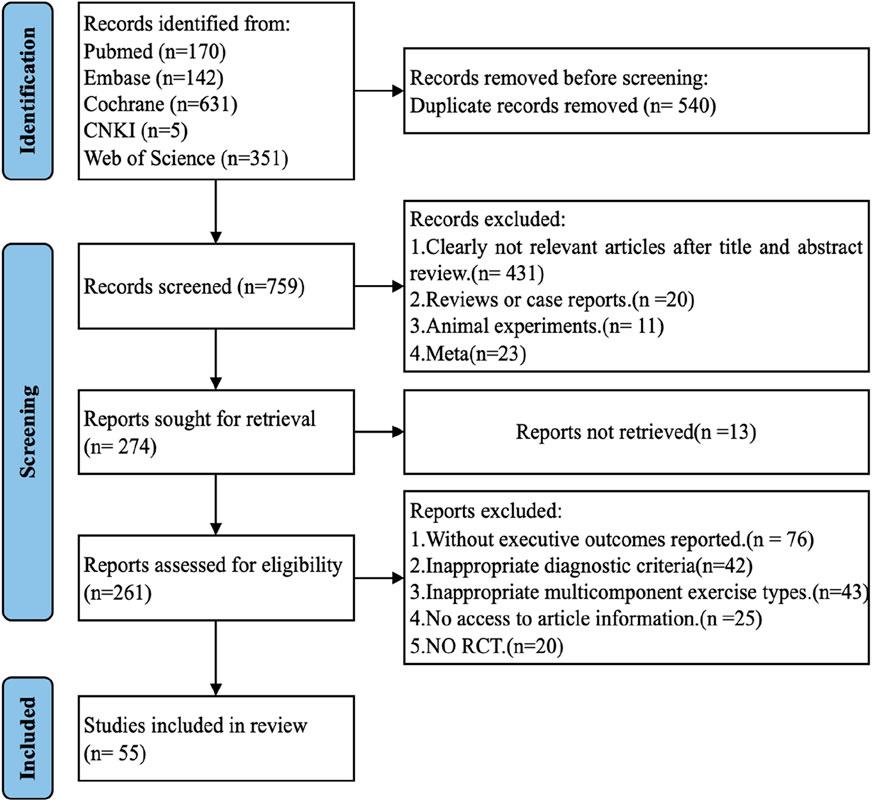
A February 2025 network meta-analysis in Frontiers in Physiology examined how cold-water immersion (CWI) duration and temperature affect muscle-damage recovery. The analysis found that CWI efficacy varies significantly by dosage: shorter immersions (3–5 minutes) at 10–15°C showed the strongest effect on perceived soreness, while longer protocols (10+ minutes) or extreme cold (below 5°C) showed diminishing or adverse returns. Critically, CWI did not universally accelerate objective markers of muscle repair (creatine kinase levels), suggesting perceived recovery may exceed tissue-level benefits. This nuance challenges blanket cold-plunge protocols and supports individualized, temperature-controlled approaches.
Contrast Therapy Gains Clinical Backing, But Sauna-Alone Data Remain Mixed
New evidence from HELiX Sports Medicine (February 2026) and sauna-focused studies published in March 2026 show that alternating cold and heat—contrast therapy—provides modest measurable advantages for post-exercise soreness and explosive power readiness compared to either modality alone. However, sauna use without cold contrast showed inconsistent results in women's muscle-damage studies (PLOS ONE, May 2025). A randomized controlled trial of 30 healthy female participants found no acceleration of recovery from hot-water immersion (HWI) or cold-water immersion (CWI) versus passive rest. This split verdict suggests sauna and cold plunges work best as sequential, not isolated, interventions.
Cold Plunge Market Surges Toward Half-Billion Dollars; HEALiX and Competitors Launch Smart Devices
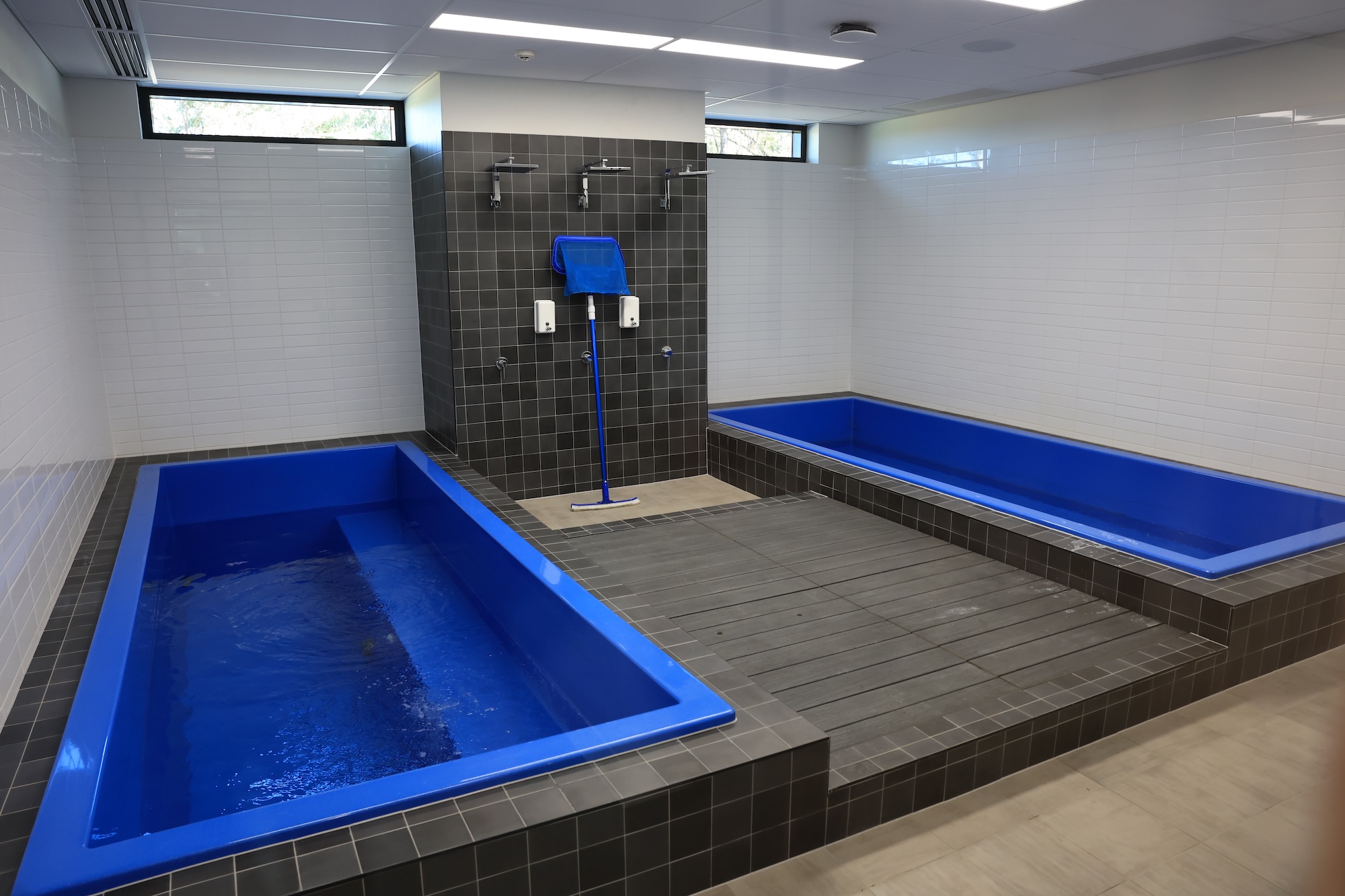
The consumer cold-plunge market is accelerating rapidly. Persistence Market Research projects the market will reach US$537.6 million by 2032, driven by adoption among gyms, sports facilities, and residential consumers. HEALiX Infrared announced the HEALiX Chill cold plunge tub on September 24, featuring temperature control, app integration, and recovery metrics tracking. Competitors including Brass Monkey and A&T Europe Spa are expanding residential and commercial offerings. Recovery-tech brands—Therabody (massage guns), Hyperice, and emerging startups—are bundling cold plunges with compression and infrared devices, signaling a shift toward integrated recovery ecosystems.
Local view
German-language media (ad-hoc-news.de, physio.de) highlights a turning point in ACL rehabilitation: hyperbaric oxygen is reframing injury timelines, though access remains limited to specialized clinics in urban centers. Physiotherapy practices report that patients demand faster protocols, but evidence-based criterion-based return-to-sport frameworks (per physio.de's March 2025 consensus update) still prioritize functional testing over speed. Digital rehab apps are popular but viewed skeptically by practitioners.
Japanese wellness outlets (kokolosauna.com, bros-sauna.jp) emphasize contrast therapy as the "true" cold-plunge benefit for athletes, citing athlete anecdotes. However, scientific caution prevails: articles acknowledge mixed efficacy and stress individual variation in cold tolerance. Water-temperature guides (10–15°C for 3–5 minutes) are now standard recommendations, reflecting the meta-analysis consensus.
Context & numbers
- Hyperbaric oxygen for ACL: 4–6 month healing window vs. 9–12 months conventional (Germany, ad-hoc-news.de)
- Cold plunge market: US$354M current; projected US$537.6M by 2032 (Persistence Market Research, September 2025)
- Digital rehab app study: 3,811 participants; modest improvement in ROM, minimal pain reduction (Germany, October 2026)
- Optimal CWI protocol: 3–5 minutes at 10–15°C for soreness; extreme cold (below 5°C) showed no advantage (Frontiers in Physiology, February 2025)
- Massage & relaxation market: Projected expansion through 2035 on self-care and recovery spending surge (IndexBox, October 3, 2026)
On the radar
- October 2026 physio competency update: SportsComp project (Higher Education to Improve Competency in Sports Physiotherapy) concludes August 31, 2026; consensus statement on physiotherapist skills in return-to-sport expected imminently
- Cold plunge regulatory tightening: FDA guidance on home cryotherapy devices anticipated Q4 2026; may affect product claims and warranty liability
- ACL rehab variability: Ongoing international debate over hyperbaric oxygen cost-effectiveness; Canadian and Scandinavian physiotherapy societies expected to issue position statements by November 2026
- Sauna-cold contrast studies: Japanese and Australian research teams launching large RCTs on contrast therapy for endurance athletes; results due 2027
Editor's note: This briefing reflects research published or updated after September 26, 2026. Older consensus statements and meta-analyses remain foundational but are not included unless directly cited in current reporting.
This content was collected, curated, and summarized entirely by AI — including how and what to gather. It may contain inaccuracies. Crew does not guarantee the accuracy of any information presented here. Always verify facts on your own before acting on them. Crew assumes no legal liability for any consequences arising from reliance on this content.
Powered by
