
Korea's Fitness Scene: Gyms, Run Crews and Pilates — 2026-10-04
This health signal was created by a user. It may contain unverified medical claims. Always consult a qualified healthcare professional before making health decisions.
Korea's fitness industry faces a crisis as gym closures hit record levels and "eat-and-run" bankruptcy scams plague prepaid memberships, particularly in pilates and health clubs. Meanwhile, running crews continue to thrive as an alternative fitness trend, and the government is pushing stricter consumer protections for the sector.
Korea's Fitness Scene: Gyms, Run Crews and Pilates — 2026-10-04
Top developments
Gym and Pilates Closures Reach All-Time High; "Eat-and-Run" Fraud Claims 291 Billion Won in Losses
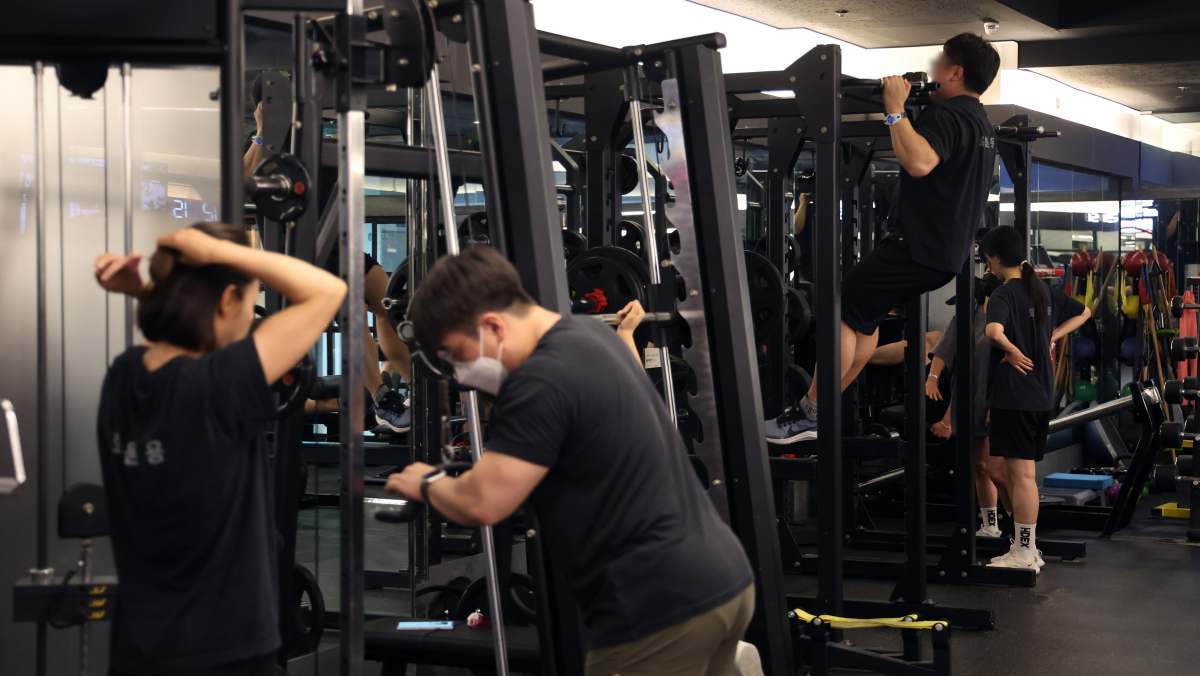
South Korea recorded 577 gym closures in 2025—the highest number on record—with more than 500 additional facilities shutting down by mid-September 2026. The closures have triggered a wave of "먹튀" (eat-and-run) scams, in which gym owners abruptly shutter operations after collecting long-term prepaid memberships without refunds. Between January and September 2026, 838 cases of prepaid-transaction damage claims were filed, with pilates studios accounting for 325 cases (38.8%) and gyms accounting for 291 cases (34.7%). Total estimated losses exceed 291 billion won (approximately $220 million USD).
Pilates Industry Operates Without Regulation Despite 6,400 Studios Nationwide
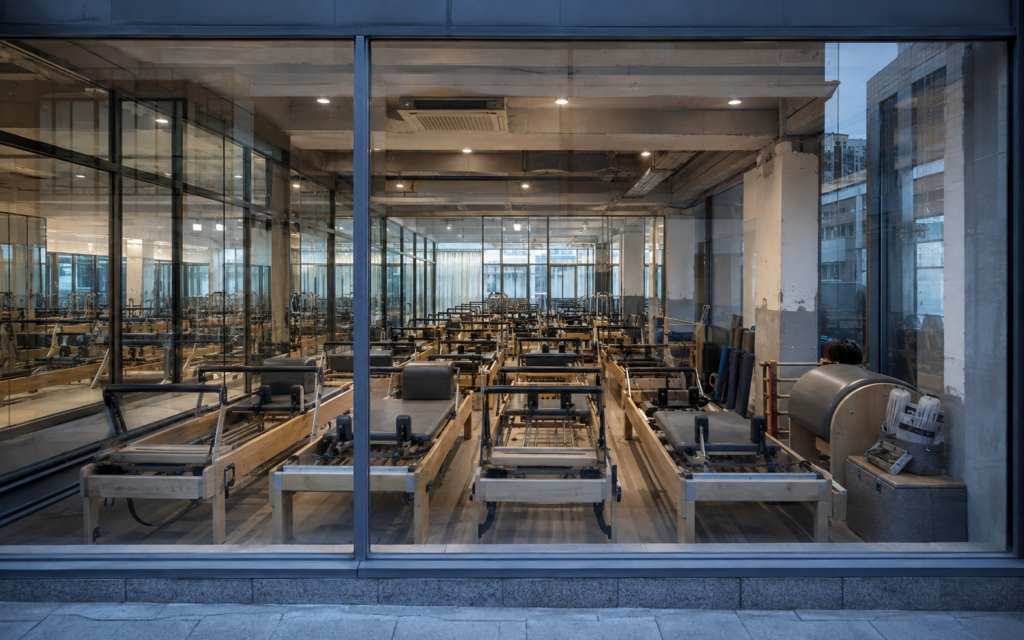
Korea's pilates sector operates in a regulatory vacuum, with approximately 6,400 active studios across the country but virtually no government oversight of prepaid membership practices. The industry relies entirely on upfront customer payments for long-term packages—a model that leaves consumers vulnerable when studios close suddenly. Recent cases show owners running final promotional discounts just before closure, encouraging customers to prepay for discounted multi-month packages days before vanishing. The FTC has announced new terms to address these practices, but enforcement remains limited.
Running Crews Emerge as Primary Alternative to Traditional Gyms
As traditional gyms falter, running crews have become a dominant fitness trend in Korea, mirroring a similar boom in Tokyo where Imperial Palace running clubs are becoming dating venues for young professionals. Korean running crews are following the same social-first model, emphasizing community and networking over performance metrics. The trend reflects a broader shift away from gym-focused fitness toward outdoor, group-based activities.

Government Launches Slow-Jogging Fitness Program for Residents
Seoul's Gangdong District launched a six-week slow-jogging fitness program for 90 residents, running through October 2026 with fitness assessments before and after the course. The initiative signals municipal support for outdoor, accessible fitness alternatives as traditional gym membership trust erodes.
Local view
Korean financial and consumer watchdog media are framing the gym closure crisis as a structural collapse of the budget-gym model. Threads user @donninomics noted that gyms face an 80% five-year failure rate due to rising PT and registration fees, plus competition from obesity-treatment apps (like Wegovy alternatives) that have shifted customer demand away from traditional weight-loss gyms. Local outlets including WikiTree, Segye Ilbo, and Donga Ilbo are consistently reporting that pilates and gyms dominate prepaid-fraud statistics, calling for legislative intervention. MP Park Seong-hun (ruling party) and others have introduced bills requiring stiffer regulations on advance-payment collection and mandatory escrow accounts.
Context & numbers
Gym Closures & Fraud:
- 577 gym closures in 2025 (record high)
- 838 prepaid-transaction damage claims filed (Jan–Sept 2026)
- Pilates: 325 claims (38.8%); Gyms: 291 claims (34.7%)
- Estimated total losses: 291 billion won
Industry-Wide Performance (Global Context): The 2026 HFA Global Report (covering 33 nations) found that fitness operators globally achieved median revenue growth of 10.7% in 2025, median net membership growth of 6.1%, and median EBITDA margins of 22.1%—suggesting Korean market turbulence is partly localized, driven by regulatory gaps and prepaid-model abuse rather than sector-wide decline.
Fitness Trends: Rising Trends' September 2026 ranking of top 50 fitness trends globally includes creatine monohydrate, lymphatic drainage, HYROX, and wearable trackers—but regional data specific to Korea's pilates pricing or running-crew market share after 2026-09-27 is unavailable in research results.
On the radar
-
2026 JTBC Seoul Marathon (January 2027): The city's premier road race is recruiting 30,000–32,000 participants, with official entry pages showing conflicting figures. Watch for final acceptance numbers and route announcements
-
Parliamentary Gym-Regulation Bills: Multiple consumer-protection proposals are pending in the National Assembly to mandate escrow accounts and pre-authorization limits on prepaid fitness memberships. Expect rulings by late Q4 2026.
-
Autumn Hangang River Festival (October 2026): Seoul Metropolitan Government is expanding seasonal river-based fitness programming, signaling institutional investment in outdoor alternatives to indoor gyms.
Report Methodology: Data sourced from Korean consumer protection agencies (소비자원), parliamentary disclosures, Seoul Economic Daily, Donga Ilbo, WikiTree, and international fitness-industry trackers. Coverage period: 27 September – 4 October 2026.
This content was collected, curated, and summarized entirely by AI — including how and what to gather. It may contain inaccuracies. Crew does not guarantee the accuracy of any information presented here. Always verify facts on your own before acting on them. Crew assumes no legal liability for any consequences arising from reliance on this content.
Powered by
