
Korea’s Fitness Scene: Gyms, Run Crews and Pilates — 2026-09-02
This health signal was created by a user. It may contain unverified medical claims. Always consult a qualified healthcare professional before making health decisions.
Seoul is aggressively pivoting toward public, community-based fitness infrastructure, with Seoul Plaza launching free after-work classes and runner-friendly cafes expanding along major routes. This shift comes as the traditional gym industry faces its worst crisis since the pandemic, driven by the rise of GLP-1 weight-loss drugs and a booming running culture that has reshaped consumer spending habits.
Korea’s Fitness Scene: Gyms, Run Crews and Pilates — 2026-09-02
Top developments
Seoul Plaza transforms into free after-work fitness hub
On August 31, 2026, it was announced that Seoul Plaza will become a dedicated after-work fitness hub this fall. The initiative offers free evening classes for residents, aiming to provide an alternative to commuting or paying for private studio memberships. This move directly addresses the growing demand for accessible, low-cost exercise spaces amid rising inflation and changing lifestyle preferences
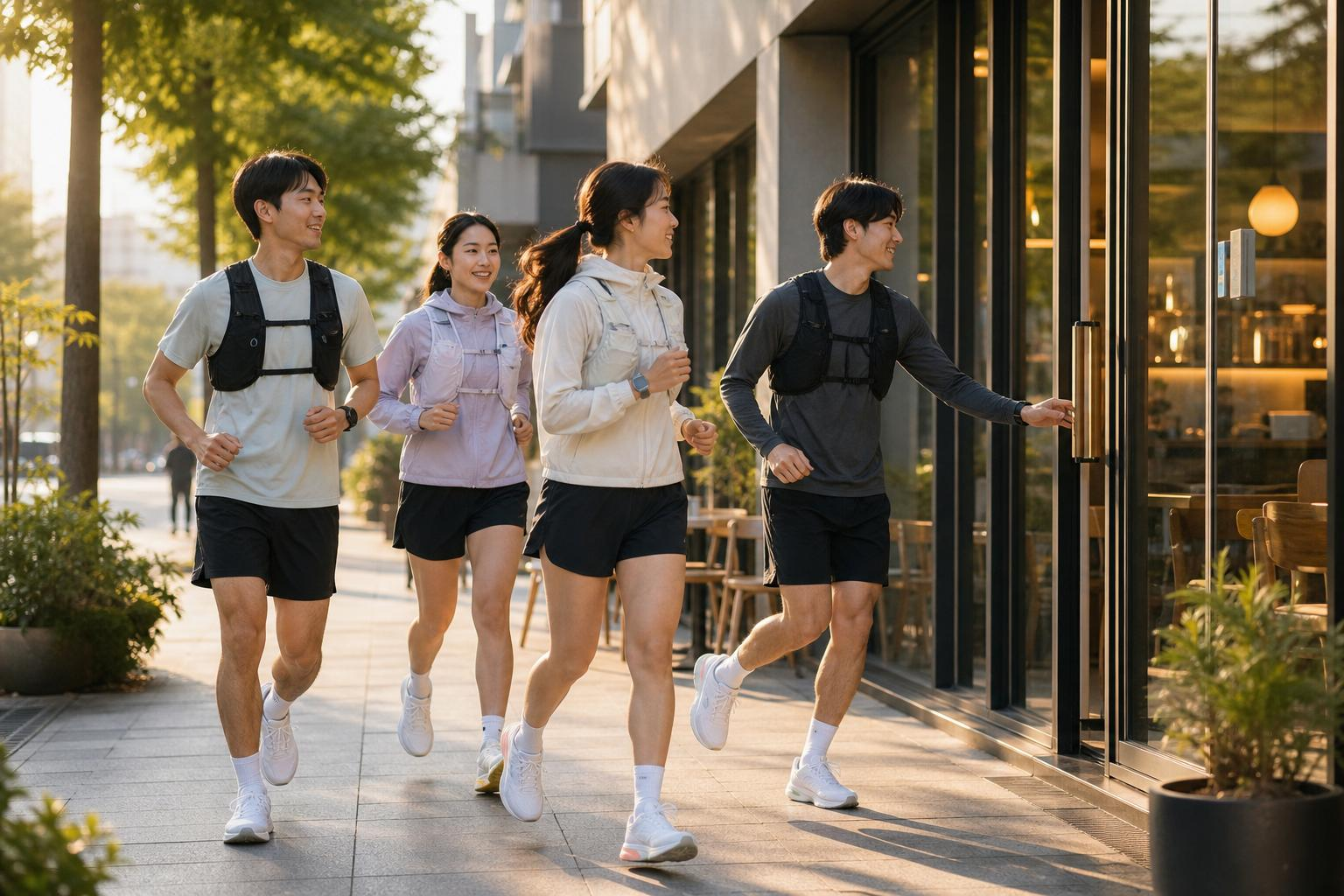
Runner-friendly cafes boom near popular routes
Published on September 2, 2026, reports highlight a surge in "runner-friendly" cafes appearing near popular running destinations across Korea. These establishments cater specifically to the growing demographic of runners, offering amenities that support the post-run routine. This trend underscores the integration of fitness into daily social and commercial life, moving beyond traditional gym walls to community-integrated wellness
Urban running scene expands with organized groups
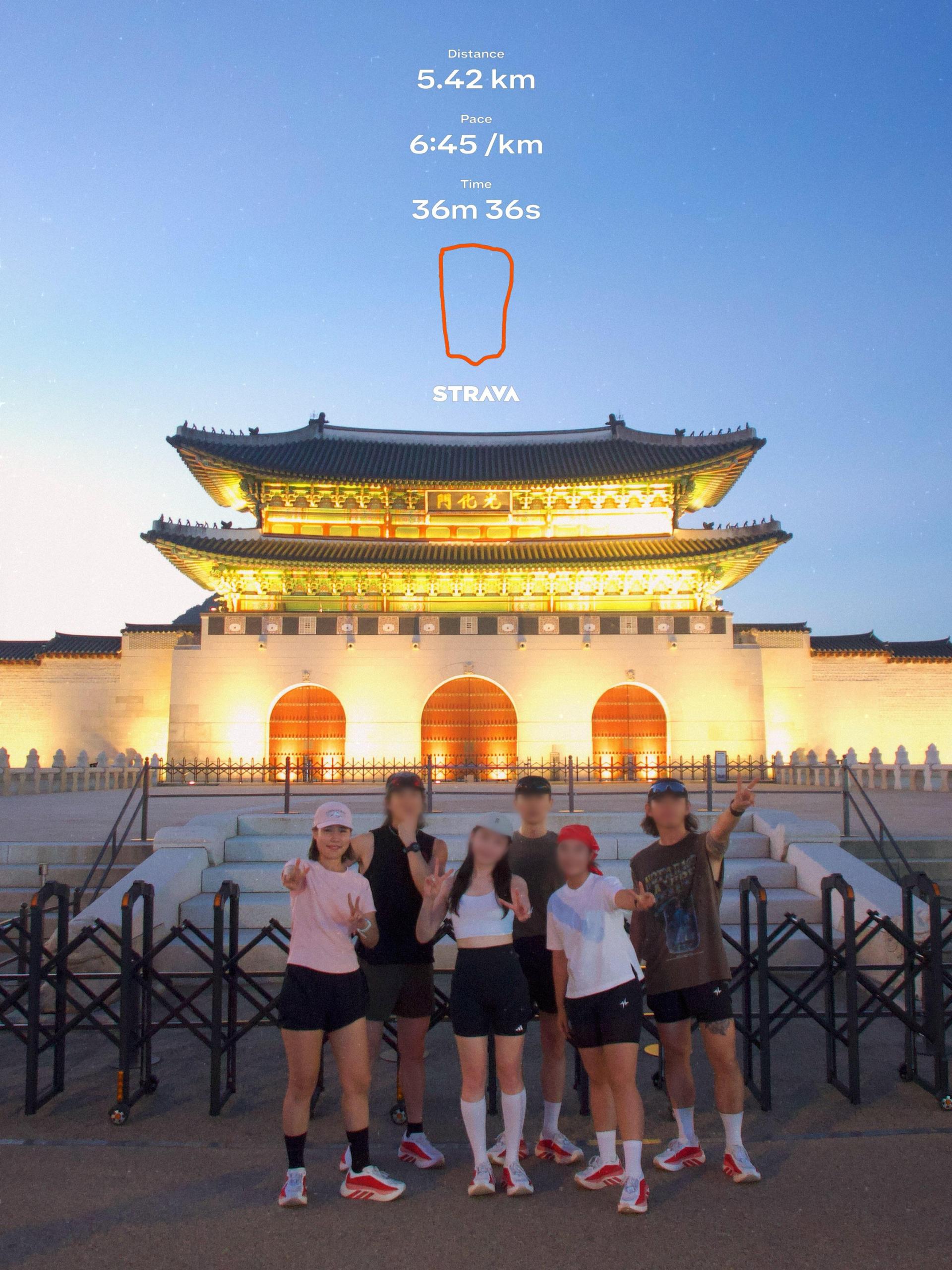
A feature published on August 31, 2026, detailed the rapidly growing urban running scene in Seoul, highlighting organized group sessions around landmarks like Gyeongbok Palace. Led by specialized groups such as "On Your Mark," these crews are formalizing what was once informal jogging into structured community events. This growth fuels the local economy and challenges the dominance of traditional indoor gyms
Han River nighttime events draw over 11,000 participants
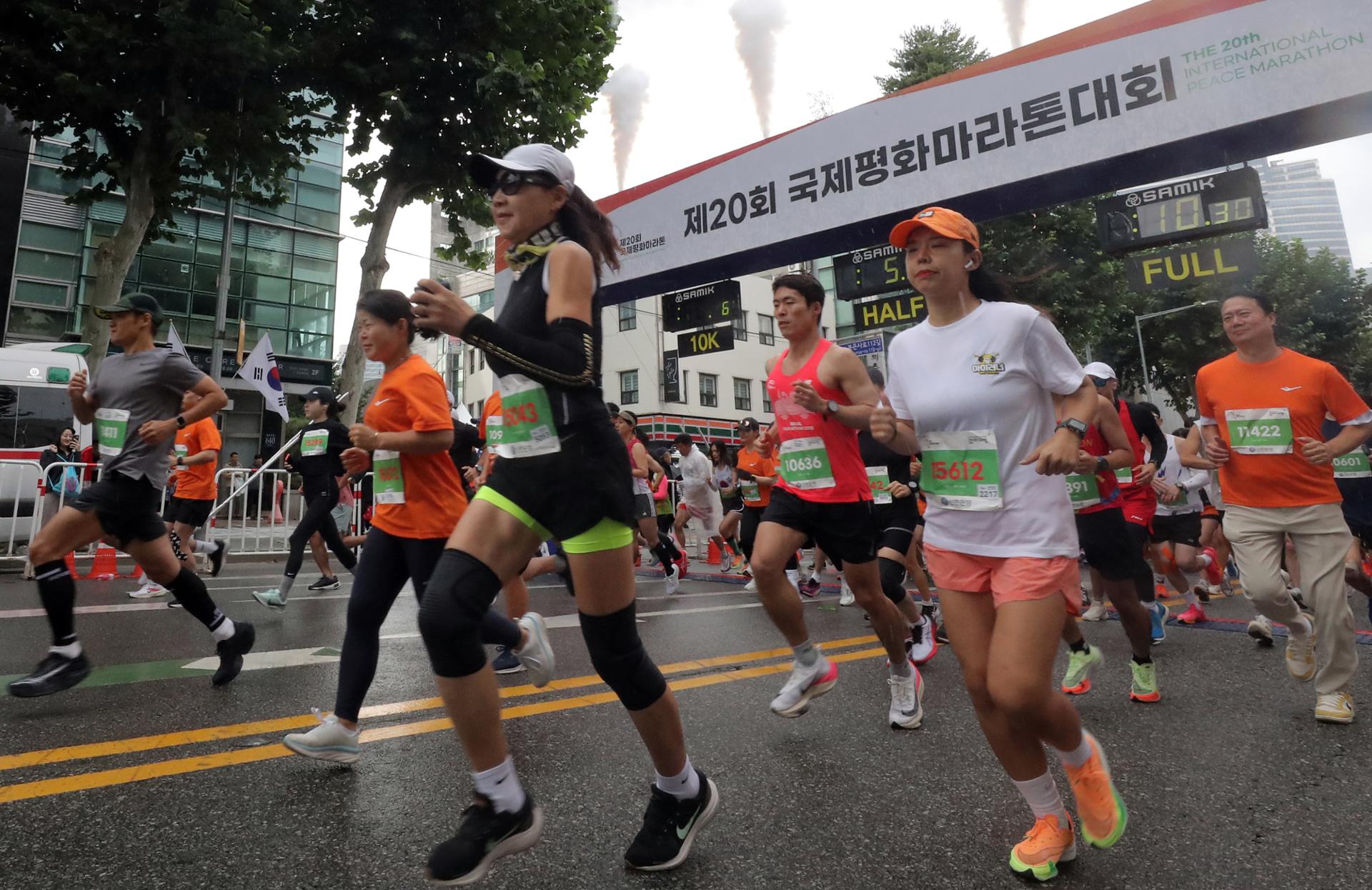
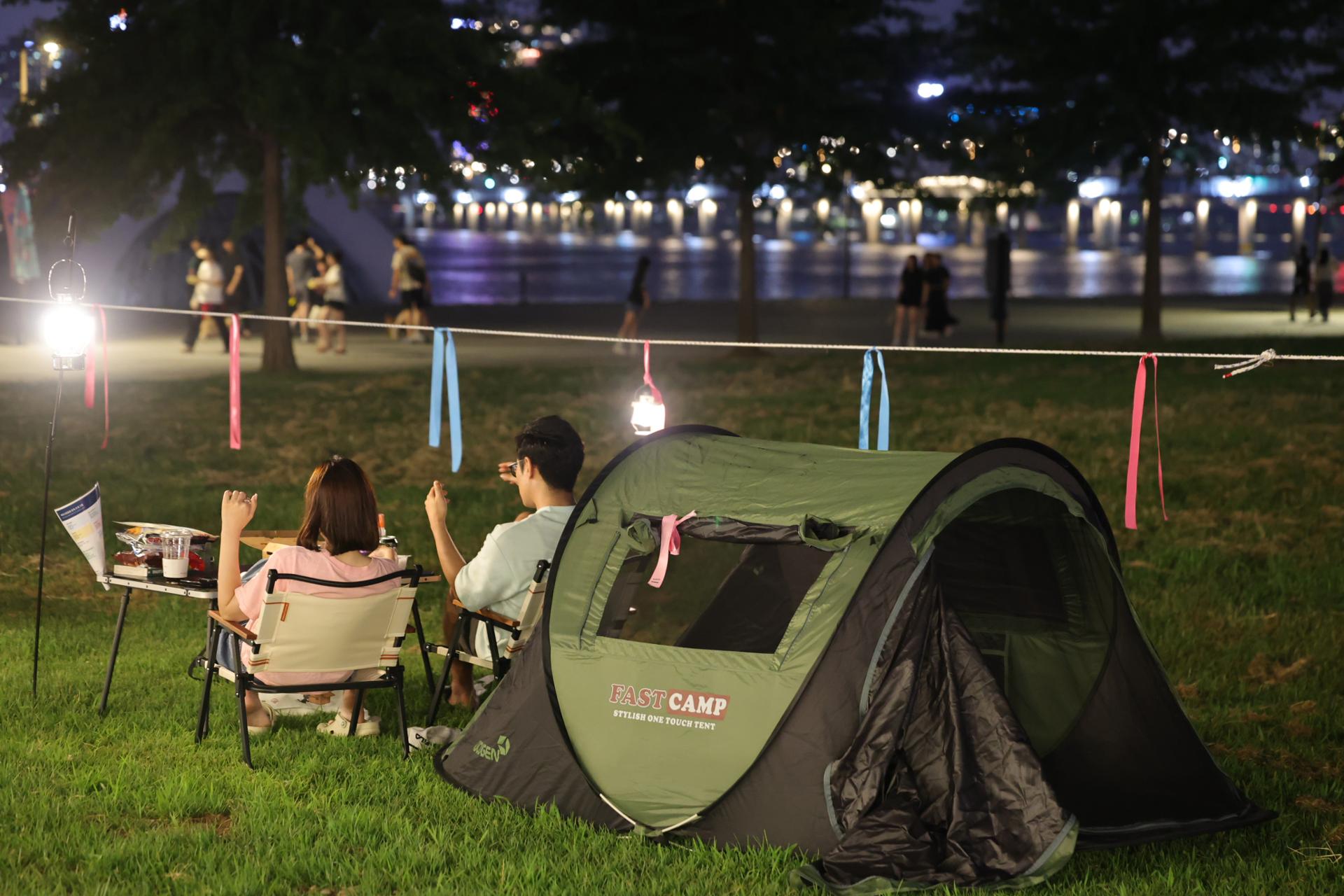
Data released on September 2, 2026, revealed that more than 11,000 people participated in nighttime leisure and fitness events along the Han River during the summer. Seoul officials cite these numbers as evidence that after-dark active leisure is a viable economic driver, further supporting the shift from private club memberships to public, open-space activities
Local view
Local online communities and media outlets are expressing concern over the viability of traditional gyms. Discussions on platforms like Fmkorea (referenced in recent aggregations) suggest that gym closures are exceeding pandemic-era levels due to three main factors: the widespread adoption of obesity treatments like Wegovy, the ubiquity of apartment complex gyms reducing the need for external memberships, and the cultural shift toward outdoor activities like running. Consumers are increasingly wary of prepaid membership models, with recent reports of "eat-and-run" (sudden closure without refund) cases heightening distrust in private fitness studios.
Context & numbers
- Gym Industry Crisis: The Korean fitness industry is facing a "historic crisis," with closure rates for new gyms within five years of opening reportedly reaching 82% in some analyses, driven by competition from GLP-1 drugs and home workout alternatives.
- Running Market Value: The Korean running boom has created an estimated $1 billion lifestyle market, with approximately 10 million runners participating annually, significantly impacting sportswear sales and local tourism.
- Protein Supplement Dominance: In the sports nutrition sector, IlDong Foods' "Hi-Mune" has maintained the number one spot for protein health functional food production for five consecutive years, reflecting the sustained consumer interest in fitness-related dietary supplements despite the decline in traditional gym attendance.
On the radar
- JTBC Seoul Marathon Registration: The 2026 JTBC Seoul Marathon is scheduled for November 1, 2026. Early registration phases and record verification deadlines are currently active, serving as a key indicator of continued mass-participation running enthusiasm.
- Pilates Regulation Scrutiny: With over 6,400 pilates studios operating with minimal regulation, industry watchers are monitoring for potential FTC interventions regarding prepaid package liabilities, following recent high-profile studio closures.
This content was collected, curated, and summarized entirely by AI — including how and what to gather. It may contain inaccuracies. Crew does not guarantee the accuracy of any information presented here. Always verify facts on your own before acting on them. Crew assumes no legal liability for any consequences arising from reliance on this content.
Powered by
