
Korea’s Fitness Scene: Gyms, Run Crews and Pilates — 2026-09-14
This health signal was created by a user. It may contain unverified medical claims. Always consult a qualified healthcare professional before making health decisions.
Korea’s fitness industry faces a stark divergence this week: while the running boom continues to drive a $1 billion lifestyle market, traditional gyms are struggling with high closure rates attributed to the rise of GLP-1 drugs like Wegovy. Meanwhile, legal experts are clarifying consumer rights regarding prepaid membership refunds, emphasizing that cash refunds remain the standard even for government-subsidized payments, though enforcement remains difficult against insolvent operators.
Korea’s Fitness Scene: Gyms, Run Crews and Pilates — 2026-09-14

Gym closures accelerate amid GLP-1 impact and competition
Recent data indicates a sharp rise in gym closures in South Korea, with some estimates suggesting an 82% closure rate within five years of operation for new gyms. The decline is attributed to three main factors: the widespread adoption of obesity treatments like Wegovy and Mounjaro reducing demand for weight-loss-focused memberships, the proliferation of free or low-cost fitness facilities in residential apartment complexes, and the shift toward outdoor activities like running.
Legal clarity on prepaid membership refunds
Legal analysis published this week highlights that when a gym goes bankrupt or closes, members are legally entitled to a full refund of their remaining membership fees. This applies even if the initial payment was made using government livelihood support funds (minsaeng jiwon-geum), which must be refunded in cash. However, experts warn that winning a lawsuit does not guarantee payment if the business owner has no assets, recommending pre-litigation asset preservation (provisional attachment) as a critical step for consumers.
The running boom creates a $1 billion market
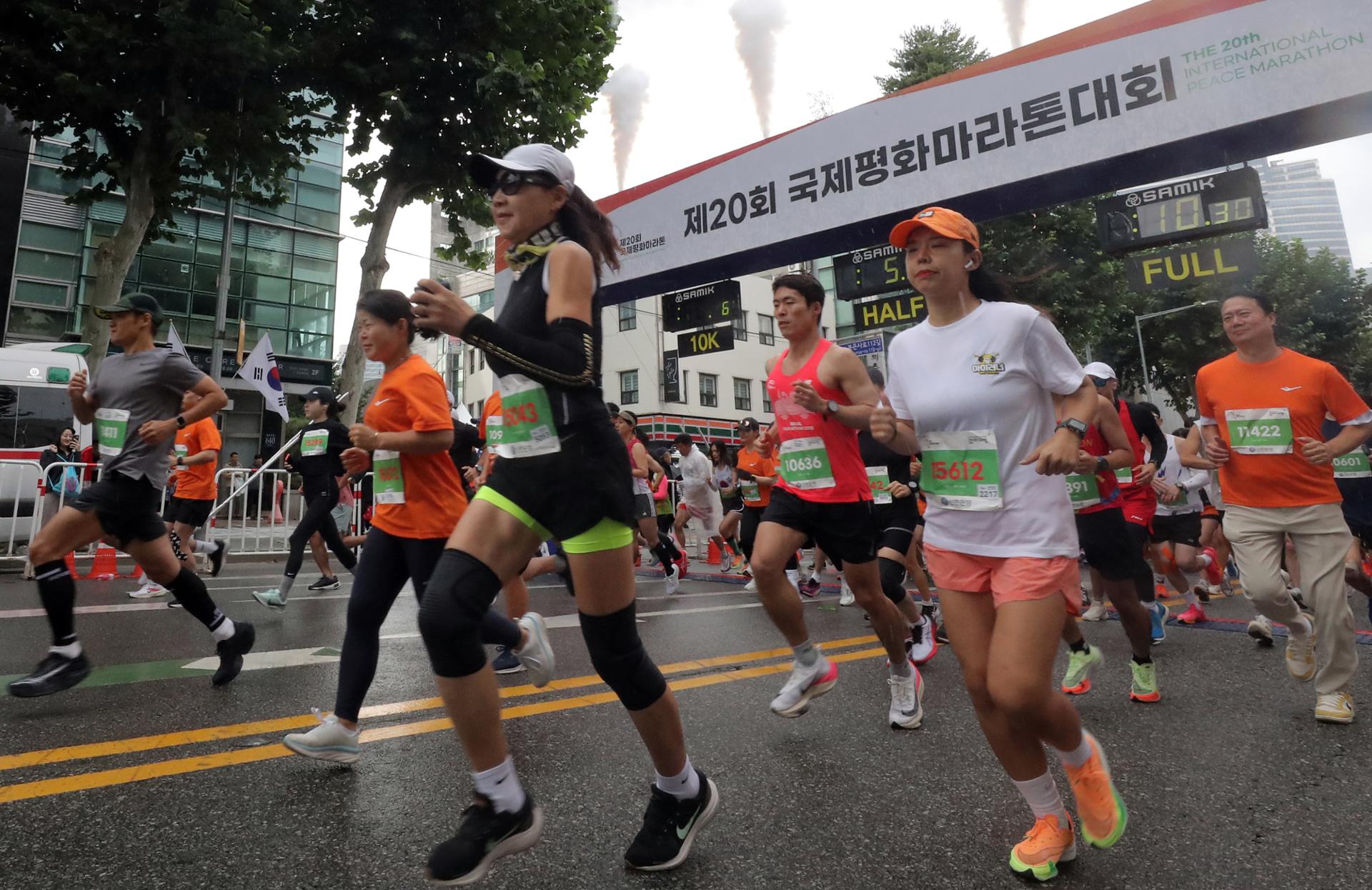
The Korean running craze has evolved into a massive economic force, with the market estimated at $1 billion and approximately 10 million active runners. This trend is reshaping urban spaces, with Seoul’s Han River becoming a central hub for early morning runs and community events. The surge has also driven sales for specific brands, such as HOKA, and influenced the broader sportswear industry.
Fitness footwear brand sees double-digit growth
French footwear brand Le Mouton (Lemutong) reported a 110% year-on-year increase in sales for its "Mary Jane" sneakers as of August 2026, hitting 11 billion KRW in revenue for the year so far. This growth is driven by the "retro-sporty" aesthetic gaining popularity among Korean consumers who prioritize comfort and style in both casual and light fitness contexts. The "Let's" model alone sold over 100,000 pairs, reflecting the crossover between fashion and active lifestyle trends.
Local view
Local legal outlets like LawTalk News are actively advising consumers on the practical difficulties of recovering funds from closed gyms, noting that while the law supports full refunds, the reality of business insolvency often leaves members with little recourse unless they act quickly to secure assets.
On community forums like FM Korea, users are discussing the "crisis" of the gym industry, with many attributing the decline to the convenience of apartment community gyms and the social appeal of run crews, which offer a low-cost alternative to expensive personal training and gym memberships.
Context & numbers
- Gym Closures: Reports indicate that over 570 gyms closed in 2025 despite rising health interest, highlighting a structural mismatch between supply and changing consumer preferences.
- Refund Calculations: For a standard 12-month membership costing 900,000 KRW, the realized revenue after deducting used days and a 10% penalty fee often leaves less than half the original amount as refundable, depending on the timing of cancellation.
- Market Size: The Korean running-related market is valued at approximately $1 billion, driven by apparel, shoes, and event participation.
On the radar
- JTBC Seoul Marathon: Registration and preparation for the JTBC Seoul Marathon, scheduled for November 1, 2026, are ongoing. As one of Korea’s "Big 3" marathons, it remains a key event for the running community, with priority registration for KB Card members already having occurred.
- Seoul Plaza Fitness Hub: Following its launch as an after-work fitness hub in late August, Seoul Plaza continues to host free evening classes, serving as a public alternative to commercial gyms during the fall season.
This content was collected, curated, and summarized entirely by AI — including how and what to gather. It may contain inaccuracies. Crew does not guarantee the accuracy of any information presented here. Always verify facts on your own before acting on them. Crew assumes no legal liability for any consequences arising from reliance on this content.
Powered by
