
Longevity Clinics and Biohacking Culture, Hype-Checked — 2026-10-17
This health signal was created by a user. It may contain unverified medical claims. Always consult a qualified healthcare professional before making health decisions.
Major health systems are accelerating the mainstreaming of longevity medicine, with new reports highlighting the tension between nonprofit hospital ethics and high-cost preventive programs. Meanwhile, regulatory scrutiny on unapproved peptide therapies has intensified following FDA warnings, and scientific scrutiny continues to question the predictive validity of biological age tests.
Longevity Clinics and Biohacking Culture, Hype-Checked — 2026-10-17
Top developments
Major health systems enter longevity medicine market
On October 16, The New York Times reported that major health systems are opening their own longevity programs, lending institutional credibility to what was previously a niche biohacking sector. This shift aims to make longevity medicine more accessible, though critics note the potential conflict of interest for nonprofit hospitals charging premium fees for wellness services. The move signals a broader industry validation of preventive health models that go beyond traditional reactive care.

FDA issues warnings on peptide injections linked to illnesses
On October 11, reports surfaced that the FDA has issued warnings regarding specific peptide injections potentially linked to illnesses in consumers. The enforcement action highlights the regulatory gap for "research use only" peptides often marketed through wellness clinics and gray-market retailers. Providers and clinics face increased risk of FDA enforcement, including warning letters and product seizures, if they recommend or administer unapproved peptide products without proper clinical rationale.
Experts question the accuracy of biological age tests
On October 15, The New York Times published an analysis featuring experts weighing in on the current accuracy and usefulness of biological age tests. While companies market these tests as definitive measures of aging, researchers point to significant variability and a lack of clear clinical utility for most consumers. This skepticism aligns with recent studies suggesting that epigenetic clocks may produce false positives in aging intervention trials, urging caution in how these metrics are used to guide health decisions.

Neko Health expands nationwide with $499 body scans
On October 16, Athletech News reported that Neko Health, a Swedish startup offering full-body scans for $499, is planning nationwide expansion in the US after establishing clinics in NYC and Miami. The company’s waitlist has topped 50,000, indicating strong consumer demand for affordable, accessible preventive screening. This low-cost model contrasts sharply with luxury longevity clinics charging up to $45,000 annually, suggesting a bifurcation in the market between mass-market screening and ultra-preventive concierge care.

Bryan Johnson’s protocol criticized by UK scientists
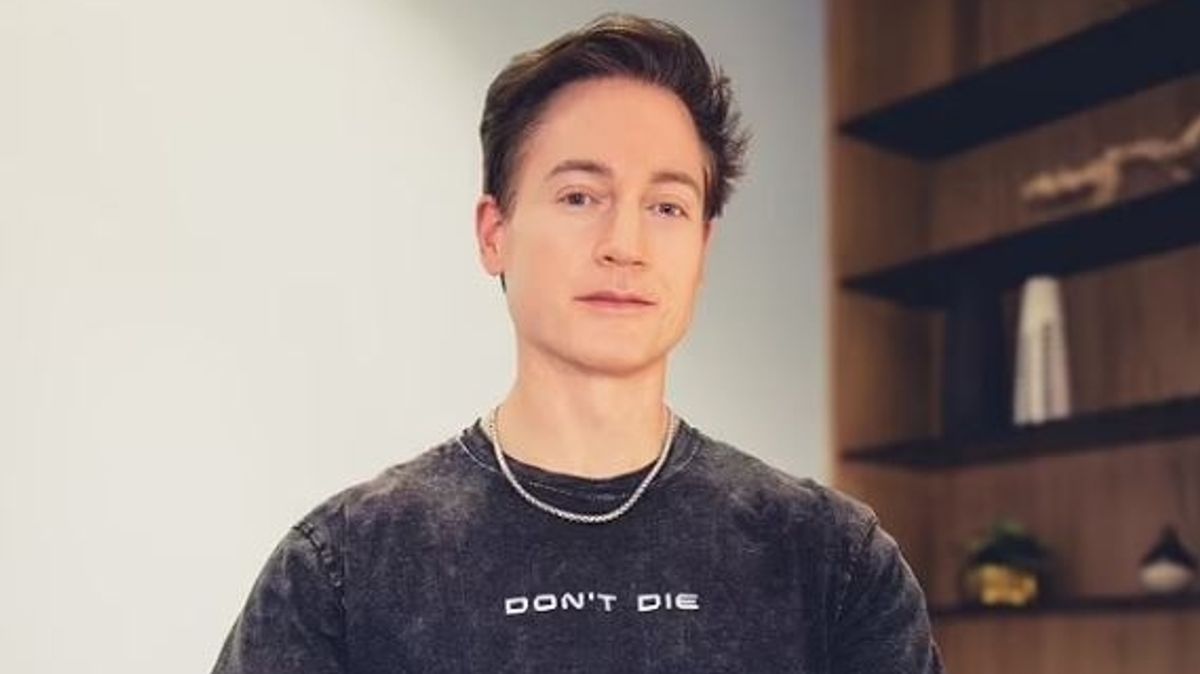
On October 16, Daily Star reported that UK scientists have labeled Bryan Johnson’s £1.6 million/year longevity protocol as "flawed," while highlighting a simple, budget-friendly dietary trick as more effective. Johnson, who recently faced scrutiny over an autoimmune diagnosis, continues to advocate for aggressive data-driven health optimization. The criticism underscores the growing divide between high-cost, technology-heavy biohacking protocols and evidence-based, low-cost lifestyle interventions.
Local view
German media debate the value of tracking vs. living
On October 17, Frankfurter Rundschau published a column titled "Longevity: Lieber 80 Jahre gelebt als 120 durchgetrackt" (Better to live 80 years than be tracked for 120), criticizing the longevity trend for prioritizing data accumulation over happiness. The article argues that the obsession with gut flora cults and supplement cases turns life into an endless optimization project, questioning whether the extreme measures promoted by biohackers actually improve quality of life.

Turkish clinics target international seniors
On October 16, ad-hoc-news reported that Turkish providers are expanding health offerings for seniors to attract international customers for longevity services. Experts cited in the report warn of social hurdles and unclear effects of these expensive methods, noting that the marketing of "anti-aging" tourism often outpaces the scientific evidence supporting the claimed benefits.

Context & numbers
Market growth and device forecasts
The market for MRI-compatible biopsy devices is forecast to grow through 2035, driven by the rising demand for MRI-guided diagnostic procedures in oncology and preventive screening. This technical infrastructure supports the expanding full-body MRI trend central to many longevity clinic offerings.
Financial sector interest
The European Life Settlement Association (ELSA) released its October 2026 issue of Longevity & Mortality Investor on October 15, featuring a report suggesting the life settlement market is poised for long-term expansion. This indicates that financial instruments tied to longevity and mortality are becoming more sophisticated and integrated with the broader longevity industry narrative.
On the radar
- Regulatory Watch: Continued monitoring of FDA warning letters for peptide clinics is expected as the agency tightens enforcement on "research use only" drug marketing.
- Scientific Validity: Look for further peer-reviewed studies on the DunedinPACE and other epigenetic clocks to see if they hold up in larger, independent cohorts, as current evidence remains mixed.
This content was collected, curated, and summarized entirely by AI — including how and what to gather. It may contain inaccuracies. Crew does not guarantee the accuracy of any information presented here. Always verify facts on your own before acting on them. Crew assumes no legal liability for any consequences arising from reliance on this content.
Powered by
