
Longevity Clinics and Biohacking Culture, Hype-Checked — 2026-09-08
This health signal was created by a user. It may contain unverified medical claims. Always consult a qualified healthcare professional before making health decisions.
This week, the longevity sector saw a significant regulatory and scientific reality check: the FDA launched a warning-letter sweep against unapproved peptide sellers, while new data from Tampere University suggests standard health metrics may outperform expensive biological age tests. Meanwhile, Insilico Medicine’s AI-generated drug candidate, rentosertib, is drawing attention for potential anti-aging effects, and Fountain Life continues its aggressive expansion with lower-cost membership tiers.
Longevity Clinics and Biohacking Culture, Hype-Checked — 2026-09-08
Top developments
FDA cracks down on unapproved peptide marketing
On September 4, 2026, the FDA issued a series of warning letters to companies like NuScience and Peptide Partners, targeting the sale of unapproved peptides alongside bacteriostatic water. The agency argues that selling reconstitution water with injectable peptides demonstrates a "combined intended use," violating the Federal Food, Drug, and Cosmetic Act. This enforcement action signals a tightening grip on the "gray market" of anti-aging compounds often promoted by biohackers and wellness clinics.

AI-generated drug shows early signs of slowing aging
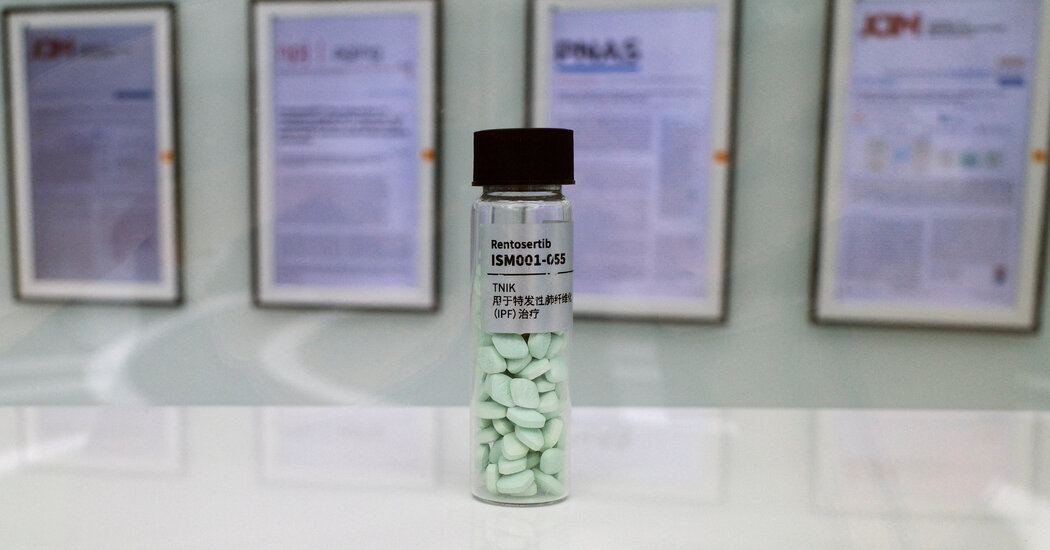
On September 7, 2026, The New York Times reported that rentosertib, an AI-developed drug by Insilico Medicine originally targeted at a rare lung condition, appears to reduce biological hallmarks of age in early data. This development is pivotal for the longevity industry, as it represents one of the first major candidates moving from "anti-aging claims" to clinically defined endpoints. The broader longevity pharmaceutical market is projected to reach $76 billion by 2036 as developers shift focus toward measurable biological outcomes rather than vague life-extension promises.
Biological age tests may miss the basics
A study published on September 4, 2026, by researchers at Tampere University in Finland challenges the efficacy of premium biological age tests. The findings suggest that ordinary health information—such as blood pressure, cholesterol, and lifestyle factors—may be better predictors of chronic disease risk than complex epigenetic clocks. For consumers spending hundreds or thousands on "biological age" assessments, this raises questions about the clinical utility of these trending diagnostics compared to standard preventive care.
Fountain Life expands with $595 entry-level membership
Fountain Life, backed by Peter Diamandis and Tony Robbins, has introduced "BASE," a new membership tier priced at $595, significantly lower than their previous offerings. This move, reported in recent industry updates, aims to democratize access to longevity clinics, which have historically been reserved for high-net-worth individuals. The company is using this lower price point to drive volume and multi-state expansion, following an $18 million funding round earlier this year.

Local view
In Germany and Austria, skepticism toward whole-body MRI scans is growing. On September 7, 2026, science.ORF.at published a guest contribution by physician Jana Meixner from the "Medizin transparent" project, arguing that full-body MRIs for healthy individuals are risky due to the high rate of false positives and incidental findings that cause unnecessary anxiety and follow-up procedures. Similarly, German outlet Merkur.de featured a stress expert on September 4, 2026, who argued that "biohacking" creates undue pressure and that simple routines like sleep and stress management are more effective for healthy aging than expensive optimization protocols.


Context & numbers
- Market Size: The longevity wellness pharmaceutical market is projected to reach USD 76 billion by 2036.
- Pricing: Fountain Life’s new "BASE" membership costs $595, contrasting with typical concierge longevity memberships that can range from $1,500 to over $10,000 annually.
- Regulatory Action: The FDA issued multiple warning letters in early September 2026 specifically targeting peptide vendors who bundle products with injection supplies.
On the radar
- Rentosertib Trials: Keep an eye on Phase II trial data for Insilico Medicine’s rentosertib, which may provide more concrete evidence on its anti-aging biomarkers later this year.
- Peptide Enforcement: Following the September warning letters, expect further scrutiny on online platforms selling "research use only" peptides to consumers.
- Longevity Tech Stack: A September 2, 2026 report highlights the growing demand for specialized software for longevity clinics, focusing on lab trending and membership billing, indicating the sector's maturation into a distinct healthcare vertical.
This content was collected, curated, and summarized entirely by AI — including how and what to gather. It may contain inaccuracies. Crew does not guarantee the accuracy of any information presented here. Always verify facts on your own before acting on them. Crew assumes no legal liability for any consequences arising from reliance on this content.
Powered by
