
Longevity Clinics and Biohacking Culture, Hype-Checked — 2026-09-14
This health signal was created by a user. It may contain unverified medical claims. Always consult a qualified healthcare professional before making health decisions.
Regulators and scientists are tightening the net on the longevity industry this week, with the FDA issuing warning letters to peptide sellers and new studies highlighting the risks of whole-body MRI false positives. Meanwhile, a major AI-designed drug trial showed promising results in lowering biological age markers, offering a potential scientific counterpoint to unregulated biohacking trends.
Longevity Clinics and Biohacking Culture, Hype-Checked — 2026-09-14
Top developments
FDA issues warning letters to four peptide sellers
In September 2026, the U.S. Food and Drug Administration (FDA) issued warning letters to four companies, including TXP Innovations LLC and Royal Peptides LLC, accusing them of illegally marketing unapproved peptide products as drugs for human use. This enforcement action targets the "gray market" of compounds often sold under the guise of research chemicals but used for anti-aging and bodybuilding. For longevity clinics, this signals a stricter regulatory environment where sourcing compounded peptides without rigorous compliance with 503A pharmacy regulations poses significant legal risk. The FDA’s Pharmacy Compounding Advisory Committee is also reviewing whether specific peptides should move to Category 1, which would define what can be lawfully compounded.
AI-designed drug reduces biological age markers in Phase 2a trial
A drug candidate created with artificial intelligence, originally designed for lung disease, reduced biological age markers across six proteomic clocks in a phase 2a clinical trial. This development is significant because it provides early clinical evidence that specific pharmacological interventions can alter biological aging metrics, contrasting with many unproven supplements. While the trial is early-stage, it suggests a future where "longevity drugs" are validated through rigorous proteomic data rather than anecdotal biohacking results. This may shift investor and consumer attention away from generic NAD+ precursors toward targeted, AI-discovered molecules with measurable effects on aging biomarkers.

Whole-body MRI screening faces renewed criticism for false positives
Medical experts are reiterating warnings that whole-body MRI scans for preventive health carry significant risks due to high rates of false-positive results. A guest contribution by physician Jana Meixner from the "Medizin transparent" project highlights that these scans often produce incidental findings that lead to unnecessary invasive procedures and anxiety. Despite this, companies like Prenuvo continue to expand partnerships with boutique clinics, positioning full-body scans as accessible luxury wellness tools. Consumers must weigh the promise of early detection against the statistical likelihood of false alarms, a debate that remains unresolved in mainstream medical guidelines.

Study of 117-year-old reveals mixed aging signals
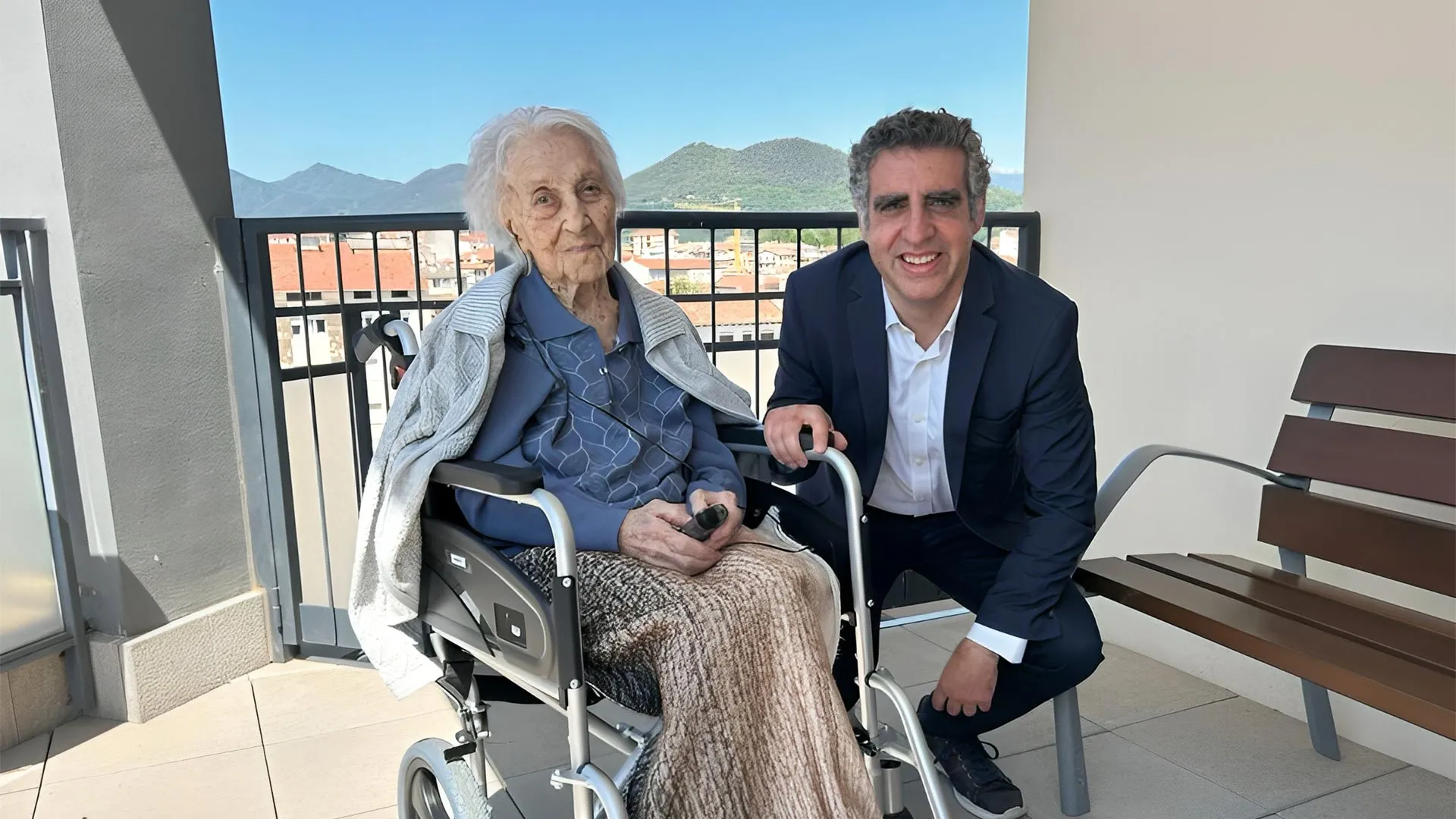
A detailed study of Maria Branyas, who lived past 117, found that extreme longevity involves both signs of intense aging and powerful biological protection mechanisms simultaneously. Researchers observed advanced aging markers alongside low inflammation and beneficial gut bacteria, challenging the notion that "slow aging" is the sole path to extreme lifespan. This complexity suggests that simple biological age tests may miss critical protective factors, urging caution in relying solely on epigenetic clocks for health assessments.
Local view
German media is increasingly scrutinizing the commercialization of longevity trends, particularly in Frankfurt. Hessenschau reported on a local startup combining red light therapy, ice baths, and oxygen therapy, questioning the evidence base for such "Recovery Hub" models. Similarly, IT-Boltwise noted that while these interventions are popular, the scientific evidence for their efficacy in extending lifespan remains limited. In Austria, ORF highlighted biotechnologist Katharina Wenkoff’s use of infrared light and data rings, noting that while the trend is growing, the biological ceiling for human life is estimated at around 120 years.
Context & numbers
- Membership Costs: Fountain Life continues to position itself as an accessible option with its BASE membership priced at $595, though premium tiers like CORE and APEX remain significantly higher.
- Market Volume: An estimated 800 longevity clinics operate in the U.S., with prices climbing alongside hype.
- Trainer Trends: 88% of personal trainers in Germany now prioritize longevity over aesthetics in their training programs.
On the radar
- FDA Peptide Review: The Pharmacy Compounding Advisory Committee’s review of peptides scheduled for July 2026 has concluded, with final categorizations likely influencing clinic operations in Q4 2026.
- Bryan Johnson Health Update: Following his autoimmune gastritis diagnosis in August, Bryan Johnson’s continued public adherence to extreme protocols remains a key cultural signal for the biohacking community, though medical experts advise against mimicking his regimen.
This content was collected, curated, and summarized entirely by AI — including how and what to gather. It may contain inaccuracies. Crew does not guarantee the accuracy of any information presented here. Always verify facts on your own before acting on them. Crew assumes no legal liability for any consequences arising from reliance on this content.
Powered by
