
Meditation Apps: Calm, Headspace and the Evidence — 2026-10-08
This health signal was created by a user. It may contain unverified medical claims. Always consult a qualified healthcare professional before making health decisions.
The digital mental health sector faces a critical convergence of evidence and regulation this week, with new research linking AI chatbot usage to severe psychological harm while traditional meditation apps face scrutiny over their modest efficacy. Simultaneously, the market continues to consolidate, with Headspace’s recent sale to Sword Health signaling a shift from standalone wellness apps to integrated AI-driven clinical platforms. Regulatory bodies in Germany and the US are tightening standards, emphasizing that not all "digital therapeutics" meet the same safety or efficacy benchmarks.
Meditation Apps: Calm, Headspace and the Evidence — 2026-10-08
Top developments
New research links AI chatbots to severe psychological harm
A new study from Northeastern University, published in late September and widely reported this week, found that the extensive use of AI chatbots for companionship and support is linked to "severe negative outcomes," including psychological harm and increased suicide risk. This research contrasts sharply with the marketing of unregulated AI wellness tools, suggesting that while structured mindfulness apps like Calm or Headspace may have modest benefits, open-ended conversational AI poses distinct risks. The findings have prompted calls for stricter regulatory definitions of "harm" in digital mental health tools, as current frameworks lack clear metrics for accountability.

Headspace acquisition by Sword Health closes amid market shift
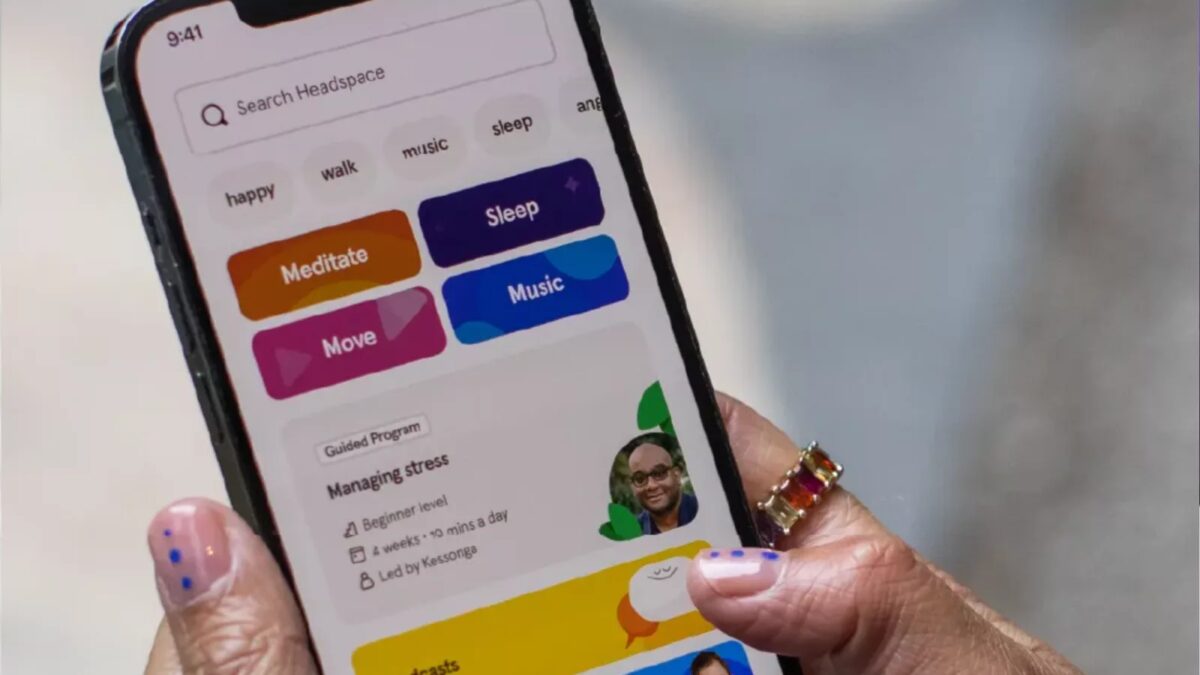
The acquisition of Headspace by Sword Health, valued at approximately $300 million, is expected to close before the start of Q4 2026, marking a significant consolidation in the digital health space. This deal, which folds Headspace’s 100 million users into Sword Health’s AI-run clinical platform, reflects a broader trend where standalone meditation apps are being absorbed into larger, data-driven healthcare ecosystems. The valuation, significantly below Headspace’s $3 billion peak, underscores investor skepticism about the long-term viability of standalone consumer wellness apps without integrated clinical outcomes or insurance reimbursement pathways.
Meta-analysis confirms small but significant effects of mindfulness apps
An updated meta-analysis of randomized controlled trials reaffirms that mindfulness apps produce small but statistically significant reductions in depression (g = 0.24) and anxiety (g = 0.28) symptoms. While these effect sizes indicate clinical utility, they also highlight that app-based interventions are often adjunctive rather than primary treatments for moderate-to-severe conditions. The study suggests that while apps like Headspace and Calm can be effective for stress management, they should not replace traditional therapy for acute psychiatric needs, a distinction increasingly emphasized by insurers and regulators.
Local view
Germany’s DiGA framework tightens approval standards
In Germany, the Federal Institute for Drugs and Medical Devices (BfArM) continues to administer the DiGA (Digital Health Applications) directory, which allows doctors to prescribe certified apps covered by public insurance. As of March 2026, BfArM had received 247 total applications, with 58 seeking final listing status. Recent analyses highlight that only apps demonstrating proven positive effects on symptoms through rigorous trials can achieve permanent listing, creating a high barrier to entry for international apps like Calm or Headspace that often operate in a regulatory gray area outside of prescription pathways.
Context & numbers
- Market Valuation: Headspace was sold for ~$300 million, down from a peak valuation of $3 billion.
- Efficacy Metrics: Mindfulness apps show an NNT (Number Needed to Treat) of 13.57 for depression and 11.47 for anxiety in meta-analyses.
- Regulatory Volume: BfArM has processed 247 DiGA applications to date, reflecting strong demand for reimbursable digital health tools in Europe.
- Usage Trends: Over one-third of psychologists report patients using AI chatbots as an additional mental health resource, raising safety concerns.
On the radar
- Q4 2026: Expected closing date for the Sword Health acquisition of Headspace, which will likely lead to changes in Headspace’s enterprise sales strategy and potential integration with clinical data platforms.
- Regulatory Definitions: Ongoing efforts by researchers and regulators to standardize definitions of "harm" in AI mental health tools, which could impact future FDA or EU MDR approvals for chatbot-based interventions.
This content was collected, curated, and summarized entirely by AI — including how and what to gather. It may contain inaccuracies. Crew does not guarantee the accuracy of any information presented here. Always verify facts on your own before acting on them. Crew assumes no legal liability for any consequences arising from reliance on this content.
Powered by
