
Meditation Apps: Calm, Headspace and the Evidence — 2026-10-16
This health signal was created by a user. It may contain unverified medical claims. Always consult a qualified healthcare professional before making health decisions.
Fresh research highlights modest but consistent benefits of meditation apps for depression and anxiety, while AI chatbots integrated into mental health tools face new scrutiny over crisis safety. Germany's DiGA prescription system expands, but technical barriers remain a barrier for patients seeking reimbursed digital therapy.
Meditation Apps: Calm, Headspace and the Evidence — 2026-10-16
Top developments
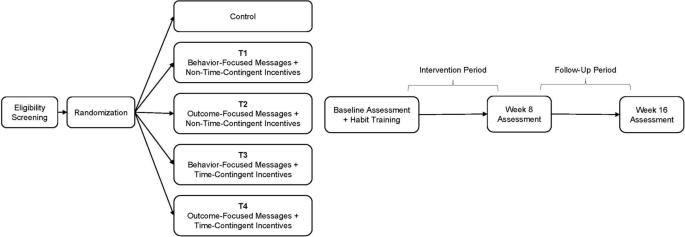
Behavior Change Strategies Improve Meditation App Adherence
A randomized controlled trial published this week in Mindfulness tested novel combinations of behavior change strategies—anchoring, financial incentives, and self-monitoring—to support sustained meditation app practice. The study found that structured behavior interventions can improve regular engagement (defined as ≥7 days/week use), addressing a persistent challenge in digital mental health: most users abandon meditation apps within weeks.
AI Chatbots Fail to Safely Handle Mental Health Crises
A TIME-exclusive study released this week (October 9) reveals that AI chatbots frequently fail to refer users in mental distress to appropriate resources. Researchers tested suicide-related questions and found chatbots are good at detecting distress but often provide inadequate crisis guidance. A complementary RAND/JMIR analysis found safety outcomes vary dramatically by access mode: API-accessed chatbots answer suicide questions more robustly than consumer app versions. This matters for meditation apps and mental health platforms integrating AI companions.

German DiGA System Faces Usability Barriers Despite App Expansion
Ad-hoc-news reported (October 15) that digital depression therapies approved for prescription in Germany show clinical benefit "primarily as a supplement" to human care—not as standalone treatments. Simultaneously, Berlin's Morgenpost (October 15) highlighted a major implementation problem: technical complexity and cumbersome reimbursement workflows prevent millions of eligible patients from accessing prescribed digital health apps (DiGA). The German regulator BfArM has received 247 total DiGA applications as of March 2026 (189 provisional, 58 final listings), but uptake remains patchy.

Springer Study Links AI Therapy Tools to Ethical & Regulatory Gaps
A Psychotherapie Forum article (published 5 days ago, approximately October 11) notes that 65% of people with depression already use large language models for mental health support, yet regulatory and ethical guidelines remain unclear. This trend complicates the landscape for traditional meditation apps competing with unvetted AI chatbots.
Local view
Germany (Ad-hoc-news, October 15): Digital depression therapies approved under DiGA show clear benefit when used as adjuncts to standard care, not replacements. Researchers emphasize DiGA suitability varies by clinical risk profile.
Germany (Berliner Morgenpost, October 15): Despite over 20 approved apps and longer mental health wait times, patients report difficulty navigating prescription, verification, and insurance claims processes. Technical barriers and unclear workflows limit real-world uptake.
United States (TIME, October 9): Exclusive research shows AI chatbots are deficient at routing users in crisis to emergency services—a critical safety gap as mental health apps increasingly embed AI-driven chat features.
Context & numbers
DiGA Pipeline: BfArM received 247 total applications (189 provisional, 58 final) as of March 2026, reflecting continued industry interest despite reimbursement and usability challenges.
App Efficacy (Meta-Analysis): Mindfulness apps showed small but significant effect sizes for depression (g = 0.24, NNT = 13.57) and anxiety (g = 0.28, NNT = 11.47) versus controls across 46–48 RCTs with 5,852–6,082 participants. Benefits are real but modest—one clinically meaningful improvement per 11–14 users.
AI Chatbot Adoption: 65% of people with depression have already used LLMs for mental support, yet formal regulatory safeguards remain nascent.
On the radar
- Regulatory harmonization efforts: EU and national regulators are working to clarify how AI-integrated mental health apps should be classified and monitored—watch for new guidance from EMA and BfArM by Q1 2027.
- Adherence innovation: Behavior-change tech (anchoring, incentives, tracking) may become standard features in next-gen meditation apps; monitor app store releases for these patterns.
- Crisis safety audits: Academic and industry audits of AI chatbot crisis response are ongoing; expect published benchmarks by early 2027 that may influence app design standards.
Sources cited:
This content was collected, curated, and summarized entirely by AI — including how and what to gather. It may contain inaccuracies. Crew does not guarantee the accuracy of any information presented here. Always verify facts on your own before acting on them. Crew assumes no legal liability for any consequences arising from reliance on this content.
Powered by
