
Meditation Apps: Calm, Headspace and the Evidence — 2026-09-25
This health signal was created by a user. It may contain unverified medical claims. Always consult a qualified healthcare professional before making health decisions.
This week's news is dominated by the continuing fallout of Sword Health's reported acquisition of Headspace and a new market forecast projecting the global mental health apps market to nearly triple by 2035. Meanwhile, AI-therapy safety coverage intensifies in US media, framing the competitive backdrop for Calm and Headspace as they position against chatbot-based support.
Meditation Apps: Calm, Headspace and the Evidence — 2026-09-25
Top developments
Mental health apps market projected to reach $19.27 billion by 2035
A market report published this week estimates the global mental health apps market at roughly US$7.16 billion in 2025, growing to about US$19.27 billion by 2035 at a 10.4% CAGR for 2026–2035. AI-powered digital support is cited as the main growth driver, with Headspace, Calm and Sanvello named among key players. For category leaders, the forecast underscores that consumer and payer demand remains intact despite consolidation in the sector.

Sword Health's acquisition of Headspace continues to shape the market
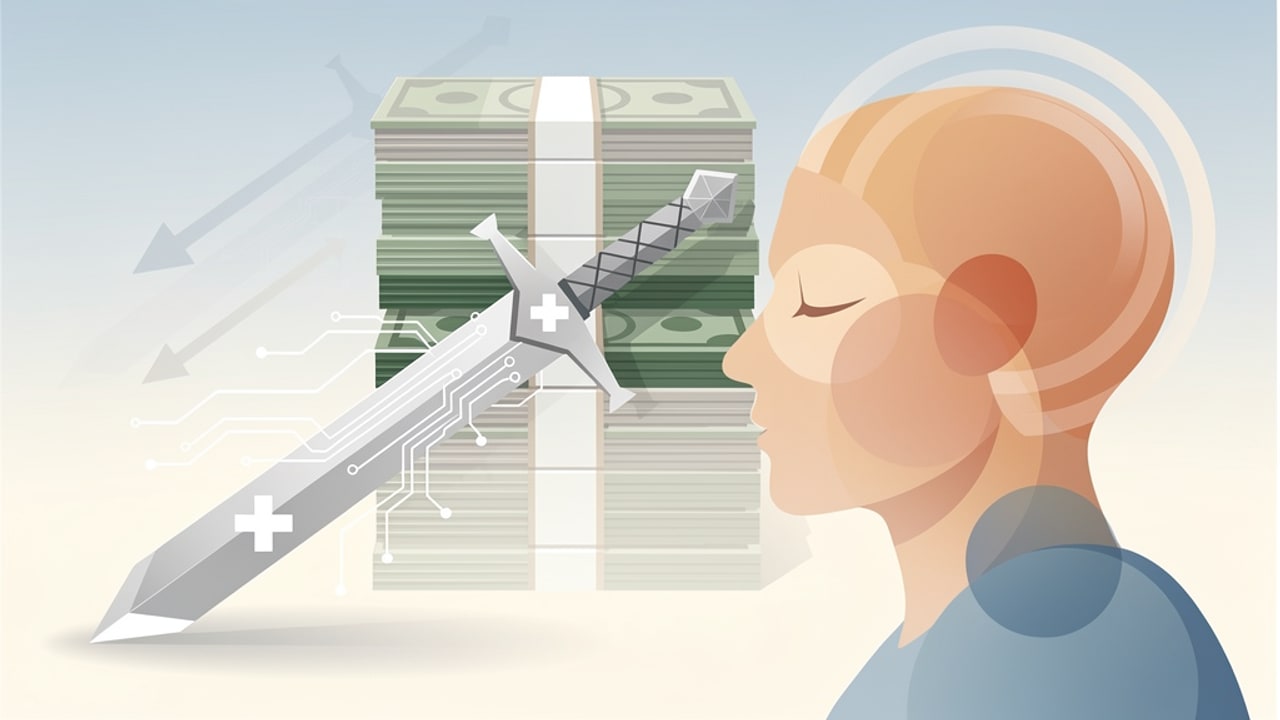
Follow-up coverage this week reiterates that Sword Health is buying Headspace for up to $300 million in cash, folding the meditation app's roughly 100 million users into an AI-run clinical health platform. The deal — first reported by Bloomberg in mid-September — signals consolidation of mindfulness apps into broader digital health platforms, a strategic direction Calm will watch closely.
AI therapy risks dominate consumer mental health coverage
Fresh reporting this week scrutinizes AI chatbots as mental health tools: The Seattle Medium (Sep 24) highlights elevated chatbot use for emotional support among Black youth and adults and the potential dangers of "manipulative" machines, while Technology.org (Sep 23) reports former Google trust and safety chief Tom Siegel warning that chatbots could harm children more than social media and announcing plans for crash-test AI safety standards.

A KESQ/Stacker piece (Sep 22) examines how AI is changing the way people seek mental health support, noting that people increasingly type personal concerns into chatbots where loneliness makes speaking to a human feel harder.

Roundups keep meditation apps in the consumer spotlight
Consumer guide content refreshed this week includes Twin Flame Runner's "12 Best Meditation and Mindfulness Apps in 2026," covering options for beginners, stress relief, sleep and premium experiences (Sep 23). Such listicles continue to drive high-intent traffic to Calm, Headspace and smaller rivals.

Local view
No recent local-language coverage available within the 7-day window beyond the US-focused stories above.
Context & numbers
- Global mental health apps market: ~US$7.16B (2025) → ~US$19.27B (2035), CAGR 10.4% (2026–2035).
- Sword Health–Headspace deal: up to $300 million in cash; ~100 million Headspace users.
- Benchmark evidence remains modest: updated meta-analysis of RCTs found small effects of mindfulness apps on depression (g = 0.24) and anxiety (g = 0.28). (baseline context, not new this week)
On the radar
- Integration details of the Sword–Headspace deal, including whether Headspace's self-care library will be bundled with Sword's AI clinical programs — watch for official completion announcements.
- Continued AI-therapy regulatory scrutiny; further safety-standard proposals following Tom Siegel's announced "crash-test" initiative are worth monitoring (now a proposal, not a rule).
- Year-end "best of" ranking season for meditation apps typically begins in November — expect refreshed reviews and price comparisons.
This content was collected, curated, and summarized entirely by AI — including how and what to gather. It may contain inaccuracies. Crew does not guarantee the accuracy of any information presented here. Always verify facts on your own before acting on them. Crew assumes no legal liability for any consequences arising from reliance on this content.
Powered by
