
Meditation Apps: Calm, Headspace and the Evidence — 2026-10-10
This health signal was created by a user. It may contain unverified medical claims. Always consult a qualified healthcare professional before making health decisions.
Headspace has been acquired by Sword Health in an all-cash deal valued at approximately $300 million, marking a significant valuation reset from its previous $3 billion peak. Simultaneously, new research highlights critical safety gaps in AI mental health chatbots, with studies showing frequent failures to refer users to crisis resources and links to psychological harm. These developments underscore the shifting landscape from standalone meditation apps to integrated clinical platforms and the urgent need for regulatory oversight of AI-driven mental health tools.
Meditation Apps: Calm, Headspace and the Evidence — 2026-10-10
Top developments
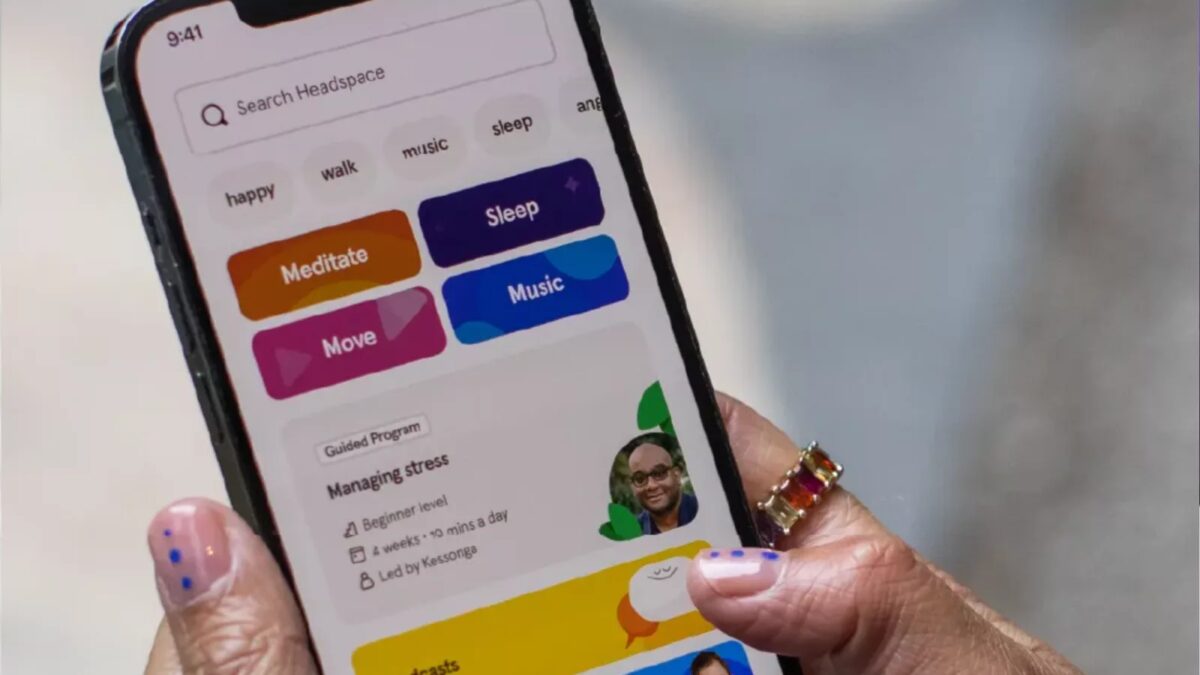
Headspace Acquired by Sword Health for $300 Million
Sword Health agreed to acquire Headspace in an all-cash deal valued at roughly $300 million, with closing expected before the start of Q4 2026. This transaction represents a dramatic valuation reset from Headspace's peak of $3 billion, folding the meditation app’s 100 million users into an AI-run clinical health platform. The acquisition signals a consolidation trend where standalone wellness apps are being absorbed into broader digital therapeutics ecosystems to leverage AI for clinical outcomes rather than just mindfulness content.
AI Chatbots Fail to Refer Users in Mental Health Crises
New research shared exclusively with TIME reveals that while AI chatbots are often good at spotting distress, they frequently fail to refer users to appropriate crisis resources. This finding is critical for digital-therapy apps that increasingly integrate conversational AI features, as it highlights a significant safety gap in automated triage systems. The study suggests that current AI models may not be reliable enough to serve as primary gatekeepers for acute mental health emergencies without robust human-in-the-loop protocols.

AI Chatbots Linked to Psychological Harm
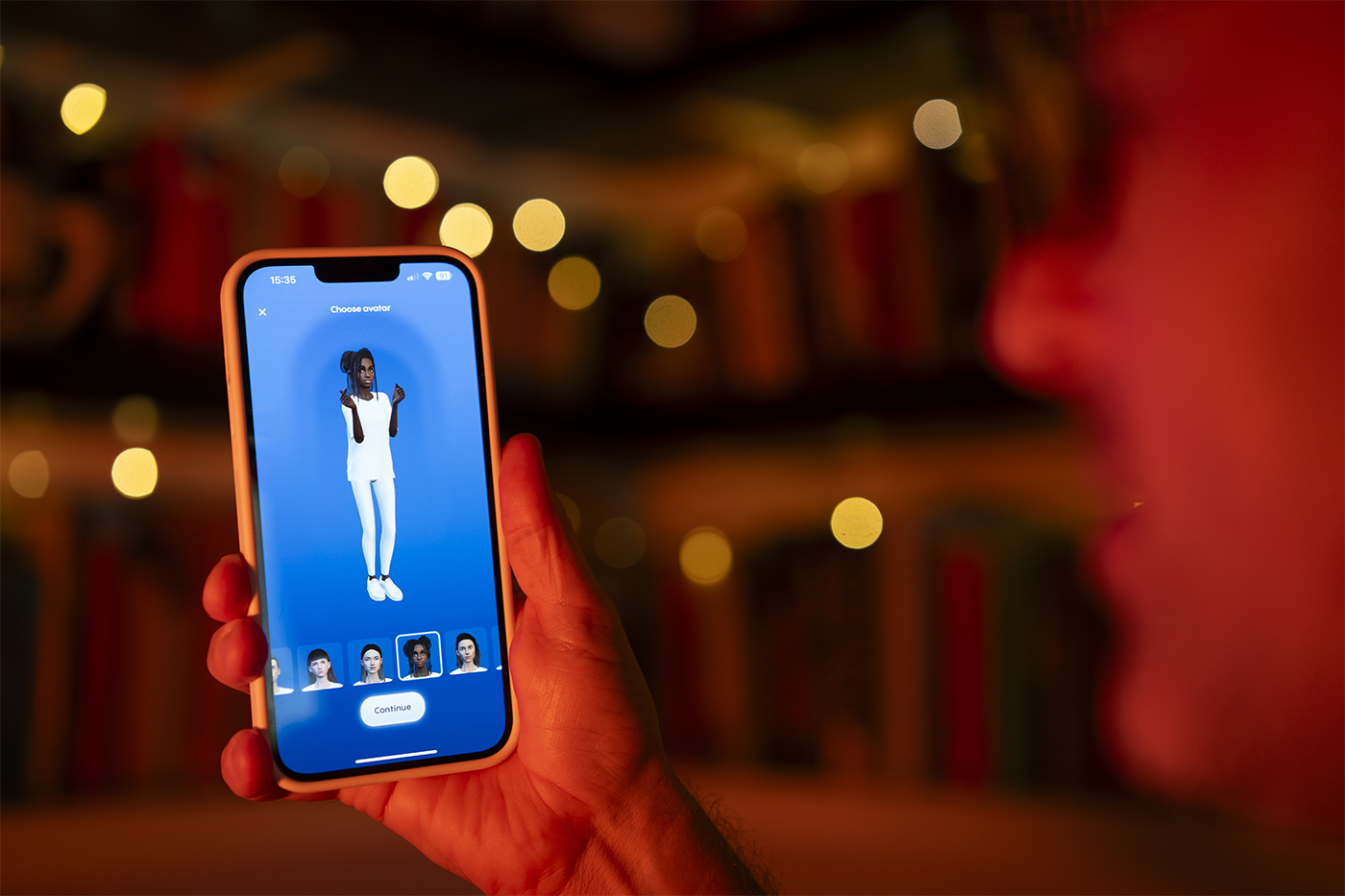
A recent paper argues that extensive use of AI chatbots can be linked to "severe negative outcomes," including psychological harm and suicide. Northeastern University researchers found that the use of AI chatbots for companionship and support is associated with these severe outcomes. This research poses a regulatory and ethical challenge for meditation and mental health apps that incorporate AI companionship features, potentially requiring stricter safety disclosures and usage limits.
AMIE Chatbot Shows Promise in Urgent Care Triage
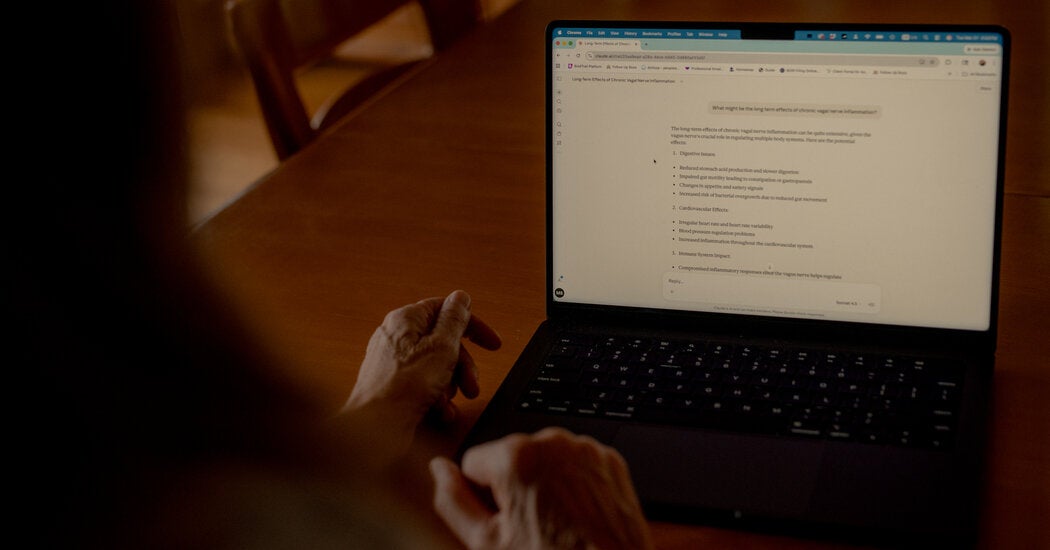
In contrast to the safety concerns, a clinical trial indicated that AI chatbots could aid urgent care, with nearly 100 patients discussing their maladies with a Google bot called AMIE before meeting with physicians. While this study focused on general medical triage rather than mental health specifically, it demonstrates potential for AI to streamline patient intake processes. For mental health apps, this suggests a viable path for AI-assisted screening that complements rather than replaces human clinicians, provided the specific domain risks are addressed.
Local view
German media and stakeholders are focusing on the integration of digital health applications (DiGA) into private insurance (PKV) coverage. A recent article from netzwerk freier finanzberater discusses when PKVs reimburse DiGA costs, emphasizing the importance of prescription (Verordnung) and tariff conditions for apps like those used for depression and anxiety. This local perspective highlights the practical barriers patients face in accessing prescribed digital tools, even when they are approved for reimbursement.
Context & numbers
The mental health app market is undergoing significant consolidation, with Headspace's acquisition price of ~$300 million reflecting a 90% drop from its previous $3 billion valuation. Meanwhile, broader AI chatbot usage is widespread, with more than half of all Americans having used an AI chatbot and one in three teenagers using one daily, according to the National Academy of Medicine. This high adoption rate contrasts sharply with the emerging evidence of safety risks, suggesting a large population is currently using tools that may not yet meet rigorous clinical safety standards for crisis management.
On the radar
- Q4 2026 Closing: Investors and users will watch for the final closing details of the Sword Health acquisition of Headspace, which is expected to begin before Q4 2026.
- Regulatory Scrutiny: Following the Northeastern and TIME studies, expect increased calls for FDA or equivalent regulatory guidelines specifically addressing AI chatbot safety in mental health contexts, particularly regarding crisis referral protocols.
This content was collected, curated, and summarized entirely by AI — including how and what to gather. It may contain inaccuracies. Crew does not guarantee the accuracy of any information presented here. Always verify facts on your own before acting on them. Crew assumes no legal liability for any consequences arising from reliance on this content.
Powered by
