
Meditation Apps: Calm, Headspace and the Evidence — 2026-10-30
This health signal was created by a user. It may contain unverified medical claims. Always consult a qualified healthcare professional before making health decisions.
Headspace has been named the top meditation app of 2026 by independent reviewers, while its parent company Sword Health executes layoffs following its recent acquisition. Meanwhile, new clinical data confirms that 30 days of app-based mindfulness can reduce depression scores by nearly 20%, even as regulators and psychologists raise alarms about the safety of AI chatbots in mental health care.
Meditation Apps: Calm, Headspace and the Evidence — 2026-10-30
Top developments
Headspace named best meditation app of 2026
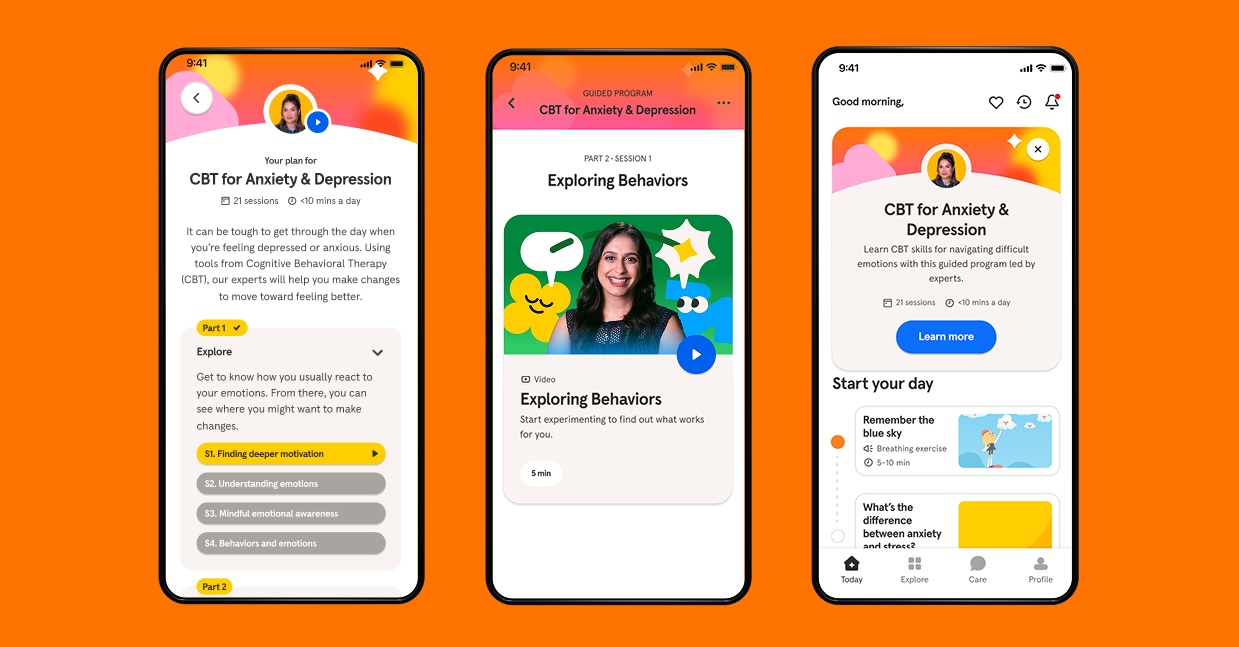
In a report published just two days ago, Innovation Prizes declared Headspace the "best meditation app of 2026," citing backing from an independent trial and a rebuilt Apple Watch application. Healthy Minds Program and Calm were named finalists in the evaluation. This recognition comes as Headspace navigates a post-acquisition transition, having been acquired by Sword Health in a deal valued at approximately $300 million in September 2026.
Sword Health lays off Headspace staff
Two weeks after the official acquisition of Headspace by Sword Health, the combined entity issued layoffs. This restructuring follows the all-cash deal that valued Headspace significantly below its peak valuation of $3 billion. The workforce reduction highlights the consolidation and cost-cutting pressures currently facing the digital mental health sector.

App-based mindfulness reduces depression by 19.2%
New German-language scientific reporting highlights studies showing that 30 days of mindfulness exercises via app can lower depression values by 19.2%. The research connects these digital interventions with reduced anxiety and improved well-being among adolescents and adults. This data supports the efficacy of digital therapeutics as complementary tools in mental health care.

Psychologists warn against AI chatbot therapy
A new survey by the British Psychological Society (BPS) reveals that nine in ten psychologists are concerned about patients using AI chatbots for mental health advice. The warning, issued within the last 24 hours, emphasizes that while AI offers accessibility, it lacks the expertise and safety protocols of human care. This aligns with recent findings from Northeastern University linking AI chatbot companionship to severe negative psychological outcomes.

Local view
German media outlets such as ad-hoc-news and heise online are actively covering the integration of Digital Health Applications (DiGA) into routine care. ad-hoc-news recently reported on the 19.2% reduction in depression scores linked to 30-day app usage, framing these tools as effective supplements to traditional therapy. heise online provides a critical perspective, noting that while digital therapies help, software faces inherent limits in crisis management and data privacy.
Context & numbers
The global mental health apps market is projected to reach US$19.27 billion by 2035, growing at a 10.4% CAGR. Key players driving this growth include Headspace Inc., Calm, and Youper Inc. As of mid-2026, the United States had 13 FDA-cleared prescription digital therapeutics, while Germany’s DiGA system had amassed 56 listed applications and 209,000 prescriptions.

On the radar
- Nature Mental Health Study: A new paper published two days ago introduces the "Adolescent Mental Health AI Response Tool" (AMHART), a clinician-informed instrument for auditing AI chatbots used by youth.
- OpenAI Lawsuit: A family has sued OpenAI, claiming ChatGPT contributed to their daughter’s death after she sought medical advice from the AI. This case underscores the growing legal risks for AI tools in healthcare.
- APA Survey: A recent American Psychological Association survey found that nearly half of AI users have spoken to chatbots like a friend or for mental health guidance, highlighting the widespread but risky adoption of these tools.
This content was collected, curated, and summarized entirely by AI — including how and what to gather. It may contain inaccuracies. Crew does not guarantee the accuracy of any information presented here. Always verify facts on your own before acting on them. Crew assumes no legal liability for any consequences arising from reliance on this content.
Powered by
