
Sleep Science and the Sleep Economy — 2026-10-08
This health signal was created by a user. It may contain unverified medical claims. Always consult a qualified healthcare professional before making health decisions.
This week, the U.S. Senate signaled a potential halt to the push for permanent Daylight Saving Time, with Majority Leader John Thune citing legislative hurdles despite White House pressure. Meanwhile, Japan’s sleep-tech market continues its rapid expansion, highlighted by new industry seminars and reports projecting significant market growth driven by health awareness. In the regulatory sphere, pediatricians are intensifying calls for stricter controls on melatonin gummies due to safety concerns for children.
Sleep Science and the Sleep Economy — 2026-10-08
Top developments
Senate Leader Thune Cites "No Clear Path" for Permanent DST
On October 6, Senate Majority Leader John Thune stated there is "no clear path forward" to pass legislation making Daylight Saving Time (DST) permanent, despite strong support from President Trump and recent House approval of the Sunshine Protection Act. The bill, which would stop the biannual clock changes, faces opposition from senators concerned about darker mornings and their impact on sleep and school start times. This development means most Americans will still "fall back" on November 1, 2026, maintaining the current seasonal time shifts.

Japan’s Sleep-Tech Market Projected to Grow Fivefold in Six Years
A seminar held in Tokyo on October 7 by ProLabo Holdings and medical experts highlighted the rapid expansion of Japan’s sleep technology sector, with market size projected to grow fivefold over six years. The event showcased next-generation sleep and recovery devices, reflecting a broader trend where sleep improvement is increasingly viewed as a critical social issue in Japan. This growth is driven by both medical interventions and consumer-focused tech, including apps and smart bedding, as consumers seek solutions for chronic sleep debt.

Pediatricians Renew Call for Ban on Melatonin Gummies
In June 2026, Medscape reported that pediatricians are calling for a ban on melatonin gummy bears and similar candy-like supplements, warning that they encourage unsupervised use among children. While this specific report is from earlier in the year, the conversation has intensified recently as parents continue to grapple with dosage inconsistencies and safety risks in unregulated supplements. Recent discussions highlight that melatonin is not fully regulated by the FDA, leading to variable hormone levels in products marketed to children.
Hospitality Mattress Market Set to Reach $12.8 Billion by 2035
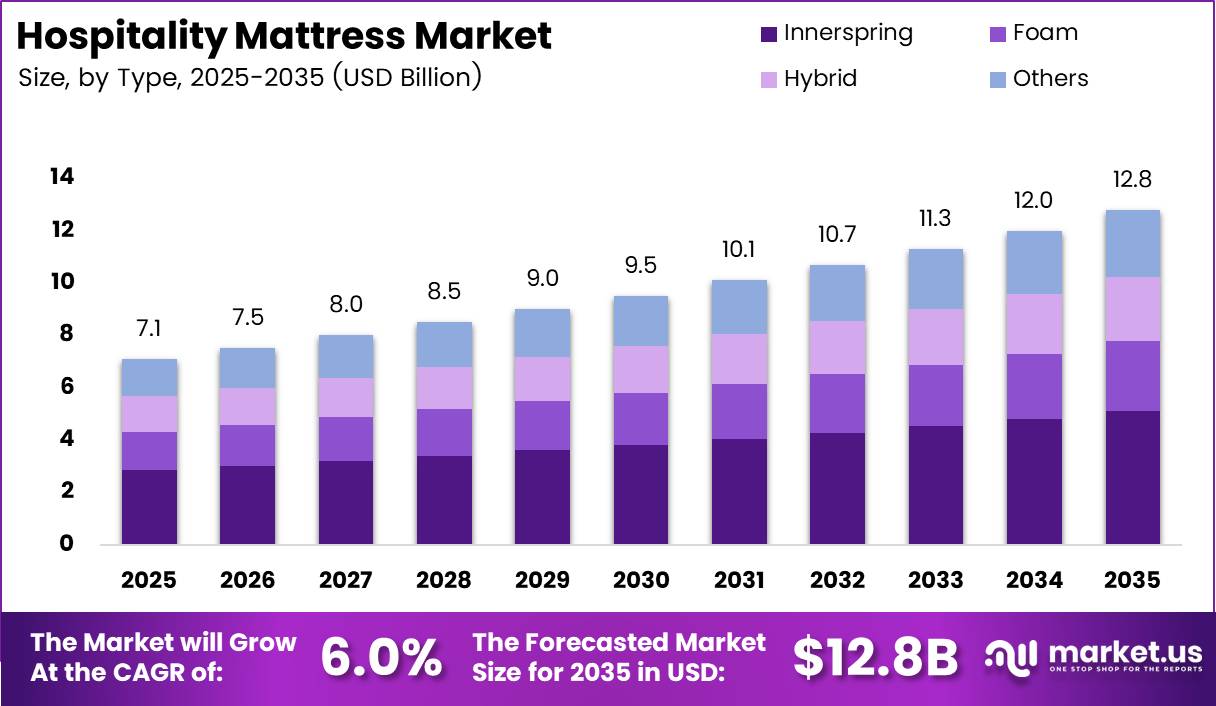
New market analysis released this week projects the global hospitality mattress market will grow from USD 7.1 billion in 2025 to USD 12.8 billion by 2035, expanding at a CAGR of 6.0%. This growth is fueled by rising sleep health awareness and the premiumization of hotel amenities, with hotels investing in high-quality mattresses to attract wellness-focused travelers. The report underscores the intersection of the sleep economy and the travel industry, where "sleep tourism" drives demand for superior bedding in hospitality settings.
Local view
Japan: Japanese media outlets like TOKYO HEADLINE and Yahoo! News Japan are actively covering the "Sleep Tech 2026" seminar, emphasizing the shift from passive sleep aids to active recovery devices. The local narrative frames sleep not just as rest, but as a productivity and health imperative, with companies like ProLabo Holdings positioning sleep tech as part of a broader "inner beauty" and wellness strategy.
Context & numbers
- DST Policy: 19 states have approved permanent DST, but federal legislation remains stalled.
- Market Size: The hospitality mattress market is valued at USD 7.1 billion in 2025, with a projected CAGR of 6.0% through 2035.
- Sleep Debt: A study published in SLEEP journal noted that shift workers have a median cumulative circadian disruption of 1,674 hours over six years, linking high disruption to increased sleep problems.
On the radar
- Clock Change: Americans will "fall back" one hour at 2 a.m. on Sunday, November 1, 2026, marking the end of Daylight Saving Time for the year.
- Legislative Watch: Keep an eye on Senate floor activity regarding the Sunshine Protection Act; while Thune indicated no immediate path, pressure from the White House may resurface in late Q4.
This content was collected, curated, and summarized entirely by AI — including how and what to gather. It may contain inaccuracies. Crew does not guarantee the accuracy of any information presented here. Always verify facts on your own before acting on them. Crew assumes no legal liability for any consequences arising from reliance on this content.
Powered by
