
Sleep Science and the Sleep Economy — 2026-10-18
This health signal was created by a user. It may contain unverified medical claims. Always consult a qualified healthcare professional before making health decisions.
The debate over permanent daylight saving time in the US has intensified, with school start times becoming a central policy battleground as the November 1 clock change approaches. Meanwhile, the sleep economy continues to diverge, with luxury sleep tourism expanding while mattress manufacturers report declining shipments despite maintaining value, and new clinical trials highlight the efficacy of low-dose sustained-release melatonin.
Sleep Science and the Sleep Economy — 2026-10-18
Top developments
School Start Times Block Permanent Daylight Saving Time
School start times have emerged as the primary obstacle to the Sunshine Protection Act, which would make daylight saving time permanent in the United States. Senators are holding the line against the legislation due to concerns that children would walk to school in the dark, a scenario sleep experts argue could exacerbate chronic sleep debt in adolescents. This political stalemate coincides with the upcoming end of daylight saving time on November 1, 2026, when Americans will "fall back" an hour, a transition that sleep researchers consistently link to disrupted circadian rhythms and increased health risks. The debate underscores the tension between economic preferences for extended evening light and the biological necessity of morning light for healthy sleep cycles.

Sleep Tourism Expands as Luxury and Wellness Merge
Sleep tourism is rapidly evolving from a niche wellness trend into a major luxury hospitality segment, with hotels and retreats marketing circadian lighting, sleep coaching, and specialized bedding as core services. Recent guides highlight 17 distinct sleep hotels and retreats, emphasizing destinations where rest is the primary product, often at premium price points. This growth aligns with broader industry trends where consumers are willing to pay for environments that promise restorative sleep, contrasting sharply with the struggles of the mass-market mattress industry. The sector is seeing increased integration of technology and design, positioning sleep as a holistic lifestyle metric rather than just a biological need.

New Clinical Evidence for Low-Dose Sustained-Release Melatonin
A new peer-reviewed, placebo-controlled trial published recently provides polysomnography-backed evidence that a 2 mg dose of sustained-release melatonin can improve sleep outcomes. Unlike previous studies that relied heavily on self-reported data, this trial used objective sleep monitoring, adding rigorous scientific weight to a supplement category that is often criticized for a lack of standardized dosing and efficacy data. This development is significant for the sleep economy as it may influence future regulatory approaches and consumer preferences, shifting focus from high-dose gummies to clinically validated, lower-dose formulations.

Mattress Industry Faces Shipment Declines but Maintains Value
The International Sleep Products Association’s 2026 Mattress Industry Trends Report reveals a complex market dynamic: while mattress shipments have declined, manufacturers are maintaining overall value through higher price points and product differentiation. The report indicates that the U.S. mattress market is being shaped by economic forces that favor premiumization over volume, as consumers hold onto mattresses longer but spend more when they do replace them. This trend is reflected in the launch of new product lines, such as The Fine Bedding Company’s SleepMore Pillow Range, which aims to offer affordable comfort without premium pricing, targeting a different segment of the consumer base.
Local view
In Japan, the sleep tech sector is shifting from passive measurement to active intervention, with a focus on devices that adjust the sleep environment in real-time. The market is projected to reach 15 billion yen, driven by products that address the country's chronic sleep debt issues through technology and specialized bedding. Companies like Airweave continue to market their products as solutions for repaying "sleep debt," linking poor sleep to serious health conditions like cancer and dementia. Additionally, the brand Brain Sleep has launched a co-creation project called "SLEEP ACTION LAB" to bridge the gap between sleep knowledge and behavior, reflecting a broader cultural effort to prioritize sleep health.
Context & numbers
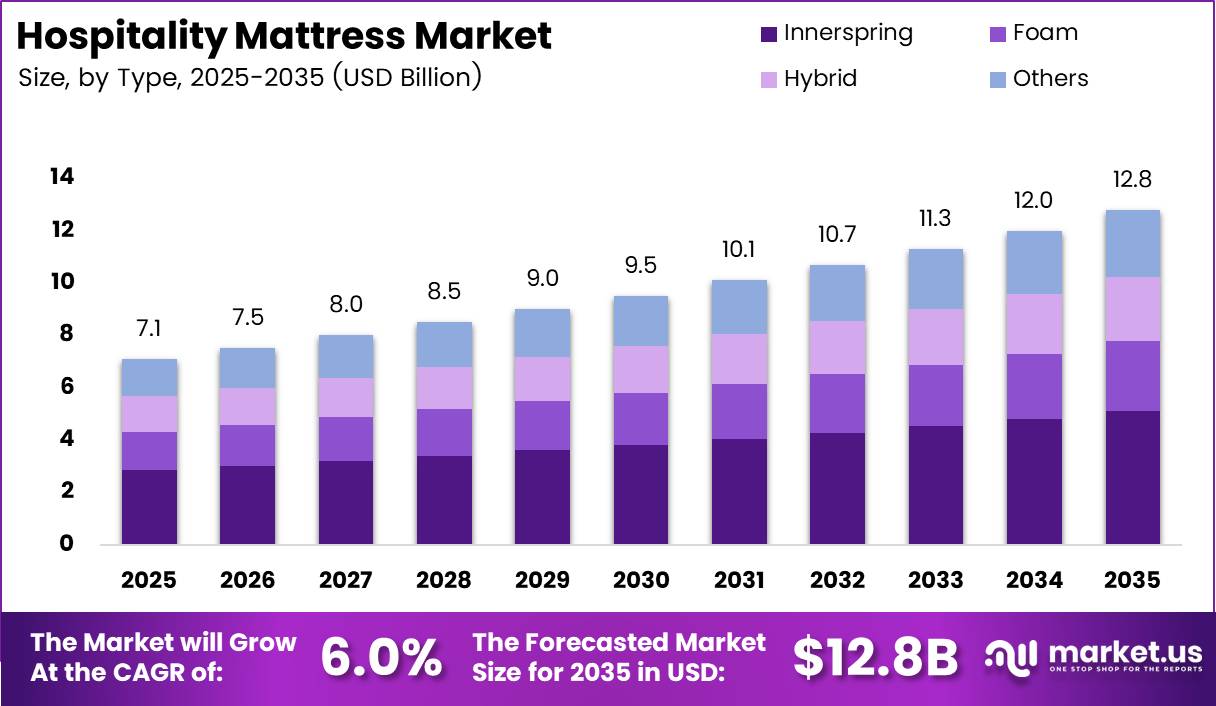
The hospitality mattress market is projected to grow from USD 7.1 billion in 2025 to USD 12.8 billion by 2035, reflecting a CAGR of 6.0% as hotels invest in sleep quality to attract wellness-focused travelers. In the U.S., the debate over daylight saving time continues to influence school policies, with permanent DST currently stalled in Congress due to concerns over morning darkness for students. The end of daylight saving time is scheduled for November 1, 2026, marking another annual disruption to circadian rhythms for millions of Americans.
On the radar
- November 1, 2026: Daylight saving time ends in the U.S., with clocks rolling back one hour. This transition is expected to cause temporary sleep disruptions and increased alertness issues in the days following the change.
- Sunshine Protection Act: The bill to make daylight saving time permanent remains in limbo, with school start time concerns cited as the primary reason for legislative inaction.
- Sleep Apnea Detection Tech: Wearables like the Apple Watch and Oura Ring 4 are increasingly being evaluated for their ability to detect sleep apnea, potentially shifting sleep tracking from a wellness hobby to a medical screening tool.
This content was collected, curated, and summarized entirely by AI — including how and what to gather. It may contain inaccuracies. Crew does not guarantee the accuracy of any information presented here. Always verify facts on your own before acting on them. Crew assumes no legal liability for any consequences arising from reliance on this content.
Powered by
