
Sleep Science and the Sleep Economy — 2026-09-09
This health signal was created by a user. It may contain unverified medical claims. Always consult a qualified healthcare professional before making health decisions.
The debate over permanent daylight saving time intensifies as the U.S. Senate prepares to vote on the Sunshine Protection Act, aiming to eliminate the November clock change. Meanwhile, Japan’s sleep-tech market sees a new pharmaceutical entry with Arinamin Pharma launching "Rosrem S," and consumer trends shift toward "somatic" body-first sleep protocols over traditional melatonin use.
Sleep Science and the Sleep Economy — 2026-09-09
Top developments
U.S. Senate to Vote on Permanent Daylight Saving Time
With the clock change scheduled for November 1, pressure is mounting on the U.S. Senate to pass the Sunshine Protection Act, which would make daylight saving time permanent year-round. The House passed the bill 308-117 in July with bipartisan support, but the Senate has yet to schedule a final vote, leaving Americans uncertain if they will "spring forward" or fall back this fall. This legislative move directly impacts sleep health by potentially eliminating the circadian disruption associated with seasonal time shifts.

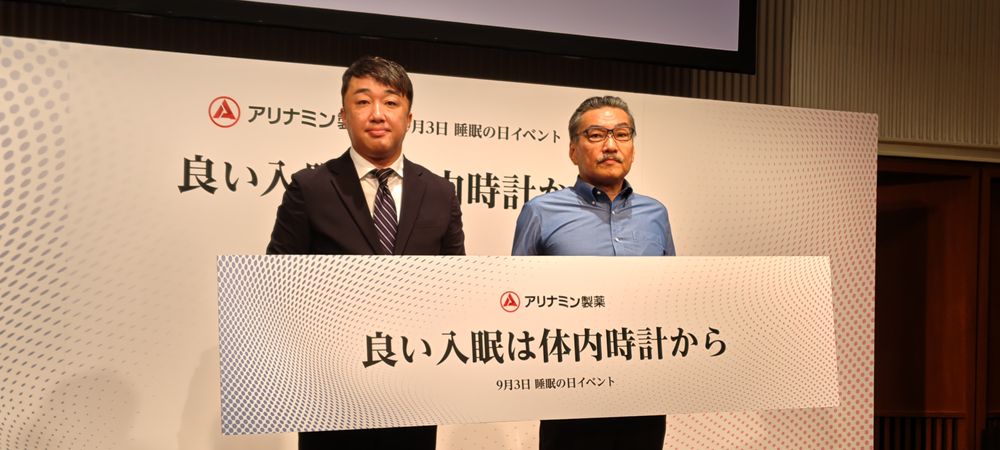
Arinamin Pharma Launches "Rosrem S" in Japan
Arinamin Pharma has launched "Rosrem S," a new sleep aid with a different mechanism of action from existing products, offering a fresh option for Japanese consumers struggling with insomnia. This release addresses the ongoing "sleep debt" crisis in Japan by providing a pharmaceutical alternative that differs from standard melatonin-based supplements. The launch reflects the growing demand for targeted sleep solutions in the Japanese market, where chronic sleep deprivation remains a significant social issue.
Somatic Sleep Protocols Rise as Melatonin Alternative
"Somatic" sleep protocols, which focus on nervous system regulation through body-centric practices rather than supplementation, are emerging as a major wellness trend in 2026. These protocols are gaining traction among consumers seeking alternatives to melatonin, driven by growing awareness of potential long-term risks associated with chronic melatonin use. The shift highlights a broader movement toward holistic, non-pharmaceutical interventions for sleep health.

Sleep Tourism Continues to Redefine Luxury Travel
Sleep tourism remains one of the fastest-growing segments in the hospitality industry, with luxury hotels expanding their offerings to include specialized recovery suites and sleep-focused packages. This trend is fueled by the integration of wearable health tech data into hotel services, allowing guests to track and improve their rest during stays. The sector is increasingly viewed not just as leisure, but as essential healthcare for high-performing individuals.
Local view
In Japan, media coverage focuses heavily on the expansion of the domestic sleep-tech market, which is projected to grow from ¥9.5 billion in 2023 to ¥16 billion by 2027. Local stakeholders are increasingly viewing technology not just as a gadget, but as a necessary tool to combat the nation's chronic sleep debt. The launch of new pharmaceutical options like "Rosrem S" is being discussed alongside tech-based solutions, indicating a multi-pronged approach to improving national sleep health.
Context & numbers
- U.S. Legislative Status: The Sunshine Protection Act passed the House 308-117 in July 2026; Senate vote pending before Nov 1.
- Japan Sleep Tech Market: Projected to reach ¥16 billion by 2027, up from ¥9.5 billion in 2023.
- Global Mattress Market: Forecasted to reach US$ 111.31 billion by 2035, driven by sustainable materials and smart tech.
On the radar
- Nov 1 Clock Change: If the U.S. Senate fails to pass the Sunshine Protection Act by early November, Americans will still change their clocks back at 2 AM on Sunday, Nov 1, 2026.
- Somatic Trend Evolution: Watch for major wellness brands launching specific "nervous system regulation" kits or courses, capitalizing on the decline in melatonin popularity.
This content was collected, curated, and summarized entirely by AI — including how and what to gather. It may contain inaccuracies. Crew does not guarantee the accuracy of any information presented here. Always verify facts on your own before acting on them. Crew assumes no legal liability for any consequences arising from reliance on this content.
Powered by
