
Sleep Science and the Sleep Economy — 2026-09-02
This health signal was created by a user. It may contain unverified medical claims. Always consult a qualified healthcare professional before making health decisions.
The US Senate has effectively stalled the Sunshine Protection Act, ensuring the November 1 daylight saving time change will proceed, a move sleep scientists warn exacerbates chronic sleep debt. Meanwhile, the consumer sleep economy is shifting toward clinical integration, with Eight Sleep pursuing FDA clearance for sleep apnea treatment and Hatch launching new contactless tracking hardware.
Sleep Science and the Sleep Economy — 2026-09-02
Top developments
Senate stalls Sunshine Protection Act, November clock change confirmed
As of September 1, 2026, the US Senate is unlikely to pass the Sunshine Protection Act before the November 1 daylight saving time (DST) end date. The Senate’s return from recess is dominated by a crypto cloture vote, and Senator Tom Cotton’s filibuster threat prevents the bill from reaching the necessary 60 votes in time. This means Americans will still "fall back" in early November, a transition that sleep researchers consistently link to increased cardiovascular risk and cognitive impairment due to circadian misalignment.

Eight Sleep pivots to healthcare with FDA push for apnea treatment
Eight Sleep, known for its $3,000 smart mattress covers, announced on August 24, 2026, that it is actively seeking regulatory clearance to treat sleep apnea. The company aims to transition from a consumer electronics brand to a healthcare provider by leveraging its proprietary thermal regulation technology and user data. This move signals a broader industry trend where sleep tech companies are moving beyond wellness metrics into regulated medical devices, facing significant clinical and FDA hurdles.

Hatch launches contactless Sleep Clock to compete with wearables
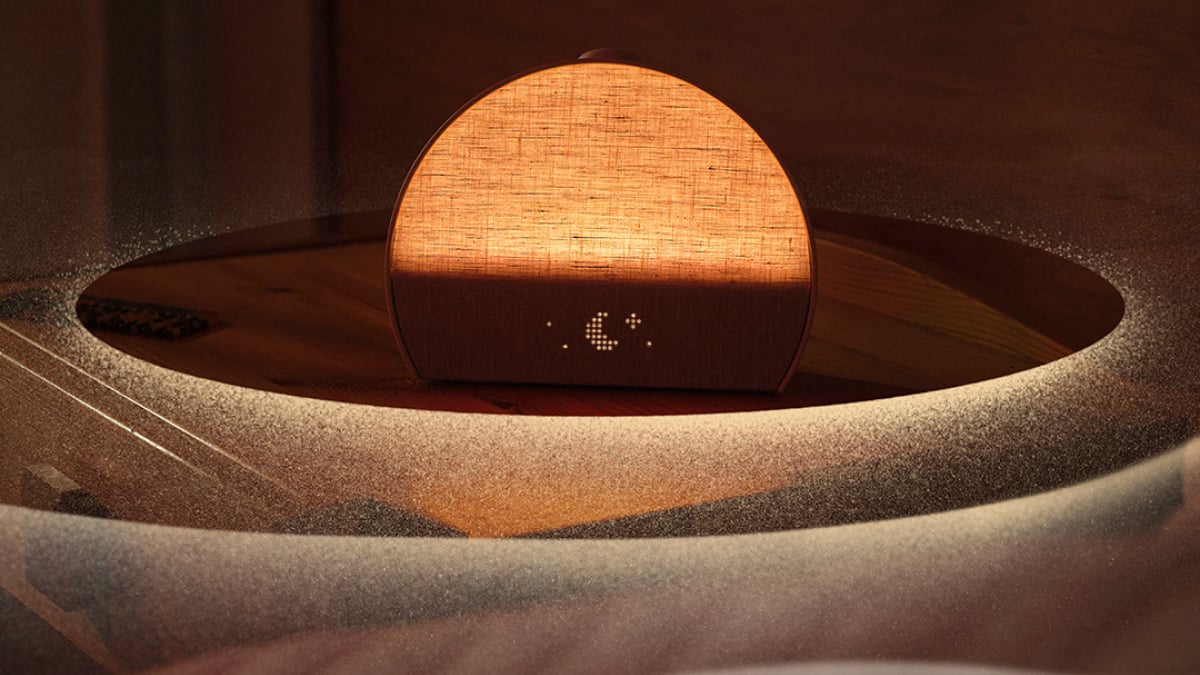
On August 4, 2026, Hatch introduced the "Hatch Sleep Clock," a device combining an alarm clock with contactless sleep tracking capabilities. Unlike wearables, the Sleep Clock uses non-invasive sensors to monitor sleep stages and wake cycles without requiring users to wear a ring or watch. This product launch highlights the growing consumer demand for passive data collection in the sleep economy, positioning itself against dominant players like Oura and Apple Watch.
Mattress Firm report links exercise habits to sleep debt
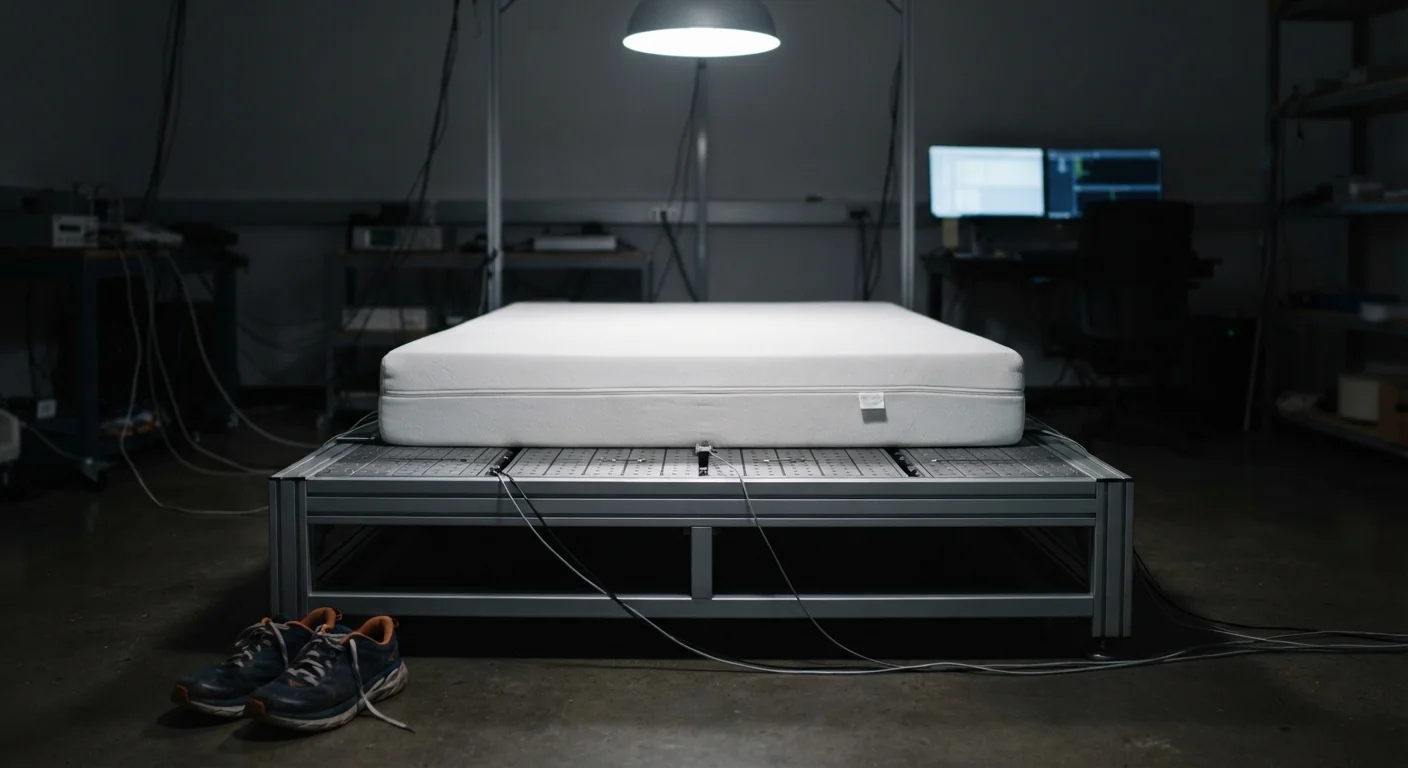
A new report released in late August 2026 by Mattress Firm found that individuals who never exercise average 2 hours and 41 minutes of weekly sleep debt. Conversely, athletes using personalized sleep systems saw their awake time during the night decline from 49 to 32 minutes on average. The study underscores the bidirectional relationship between physical activity and sleep quality, suggesting that targeted sleep interventions can significantly benefit athletic recovery.
Local view
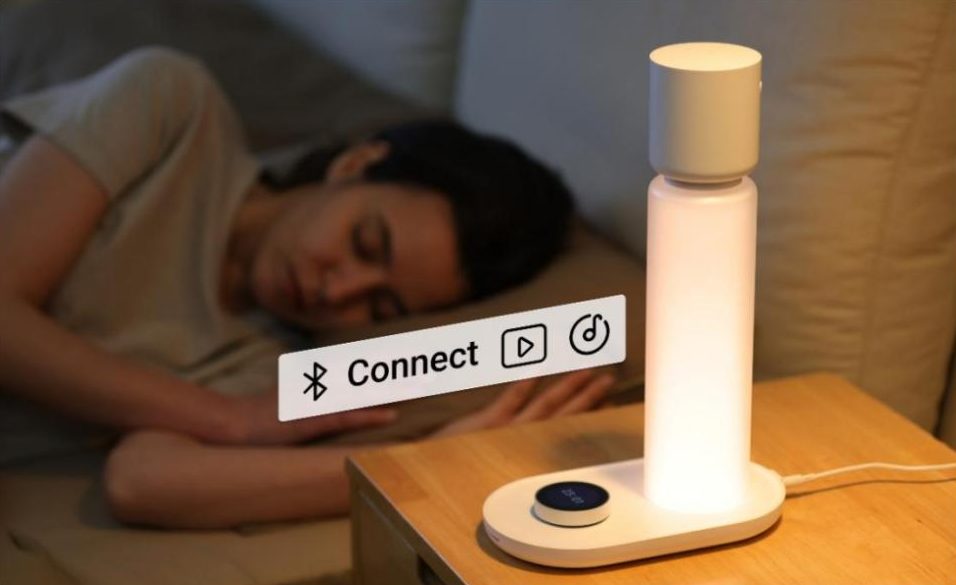
In Japan, where "sleep debt" is a chronic social issue, media coverage this week highlighted cross-border tech innovations. 36Kr Japan reported on Chinese startup XSmart’s release of a "non-wearable" AI sleep lamp that uses radar for contactless monitoring, reflecting a regional shift toward ambient sleep tech. Additionally, Japanese outlet @DIME reviewed the Korean "Sleepisol+" device, which uses brainwave analysis to improve sleep quality, indicating strong consumer interest in neuro-feedback based solutions among Japanese urbanites.
Context & numbers
- Market Growth: The global smart electric mattress market is projected to boom through 2033, driven by key players like Sleep Number, Tempur-Pedic, and Eight Sleep, according to a Coherent Market Insights report published on September 1, 2026.
- Sleep Tourism: The sector continues to expand, with luxury hotels offering packages ranging from $3,000 stays to DIY city breaks focused on sleep hygiene. The trend, often termed "sleepmaxxing," is being adopted by wellness-focused travelers globally.
On the radar
- November 1, 2026: Daylight Saving Time ends in the US. With the Sunshine Protection Act stalled, the biannual time change remains law, impacting sleep schedules nationwide.
- FDA Clearance Path: Monitor Eight Sleep’s progress in obtaining FDA clearance for its sleep apnea treatment features, which could set a precedent for other consumer sleep tech companies entering the medical device space.
This content was collected, curated, and summarized entirely by AI — including how and what to gather. It may contain inaccuracies. Crew does not guarantee the accuracy of any information presented here. Always verify facts on your own before acting on them. Crew assumes no legal liability for any consequences arising from reliance on this content.
Powered by
