
Sleep Science and the Sleep Economy — 2026-10-15
This health signal was created by a user. It may contain unverified medical claims. Always consult a qualified healthcare professional before making health decisions.
This week, the debate over permanent daylight saving time in the U.S. intensified as senators cited concerns over children walking to school in the dark, directly impacting sleep health policy. Simultaneously, the sleep economy saw significant movement with new data on the rapid growth of the sleep optimization wearable market and a surge in sleep tourism, while new research highlighted the accuracy limits of consumer sleep trackers.
Sleep Science and the Sleep Economy — 2026-10-15
Top developments
Senate Stalls on Permanent Daylight Saving Time Citing School Start Times
As the U.S. approaches the November clock change, the Sunshine Protection Act faces continued resistance in the Senate. Lawmakers are holding the line against making daylight saving time (DST) permanent, primarily due to safety concerns for students who would have to commute in darkness during winter mornings. This legislative stalemate keeps the biannual clock shift in place for now, affecting circadian rhythms and sleep schedules nationwide.

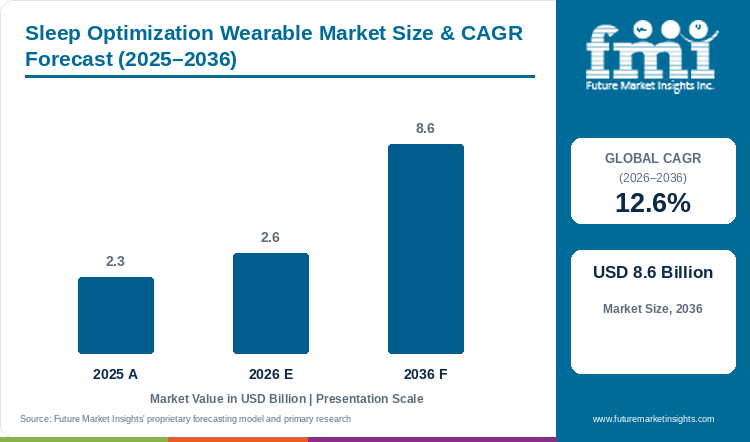
Sleep Optimization Wearable Market Projected to Triple by 2036
New market analysis indicates the global sleep optimization wearable market is set for explosive growth. The sector is projected to expand from USD 2.6 billion in 2026 to USD 8.6 billion by 2036, driven by a compound annual growth rate (CAGR) of 12.6%. This trend reflects consumer demand for devices that do more than just track sleep, but actively intervene to improve rest quality through temperature regulation and biofeedback.
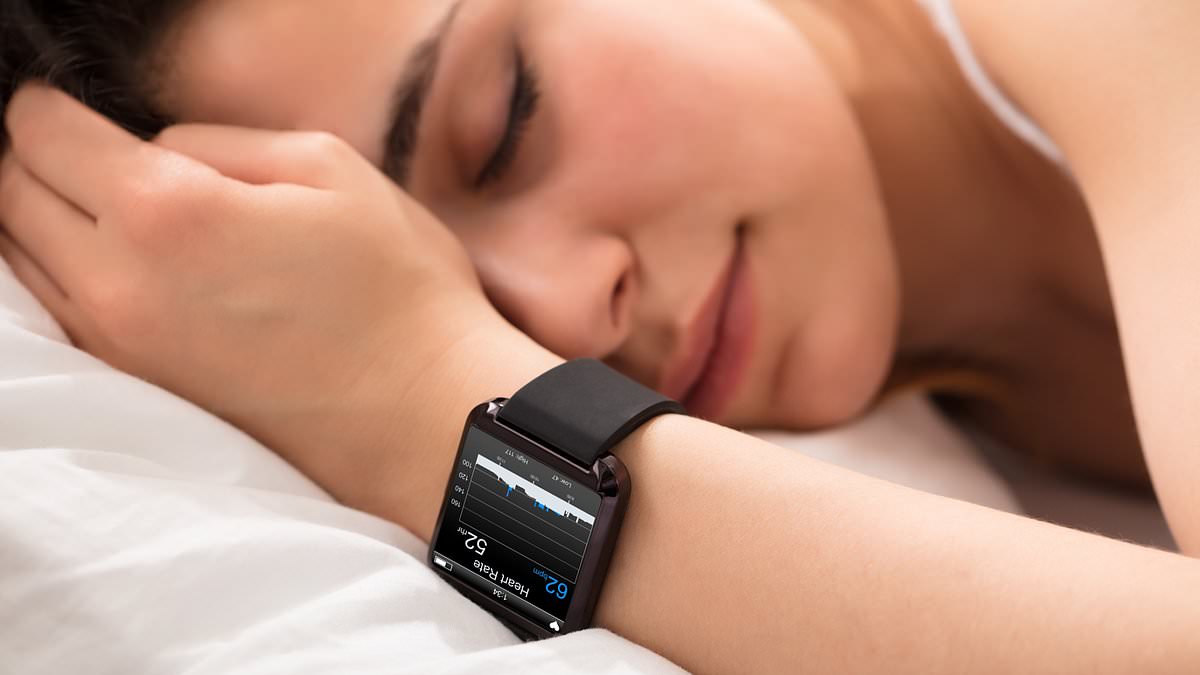
Neuroscientists Warn of Sleep Tracker Inaccuracy
A recent feature by Daily Mail highlighted insights from a Carnegie Mellon neuroscientist regarding the limitations of consumer sleep trackers. While these devices remain popular, experts caution that wrist or finger sensors often misinterpret brain states during sleep, potentially leading to "orthosomnia" or anxiety about sleep scores. The article emphasizes interpreting data trends rather than absolute nightly scores for better health outcomes.
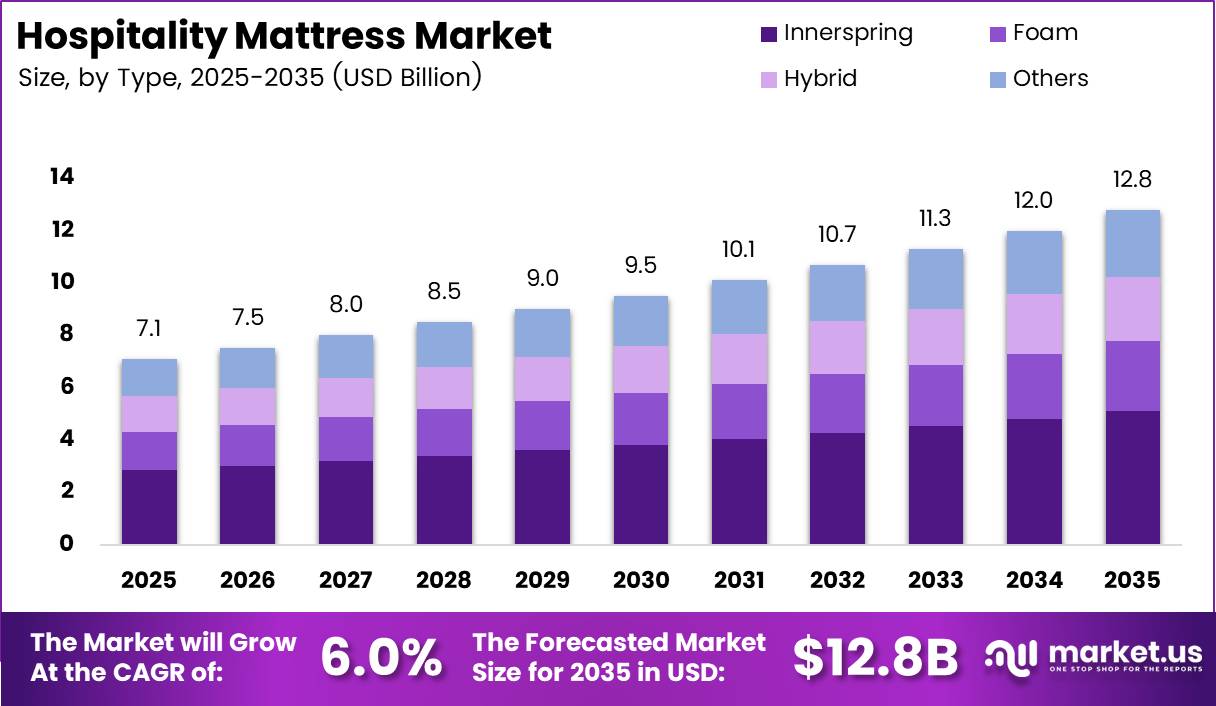
Hospitality Mattress Market Set to Reach $12.8 Billion by 2035
The hospitality sector is increasingly investing in high-quality sleep infrastructure. The hospitality mattress market is expected to grow from USD 7.1 billion in 2025 to USD 12.8 billion by 2035, with a 6.0% CAGR. This growth is fueled by the "sleep tourism" boom, where hotels compete on sleep quality as a primary luxury amenity.
Sleep Tourism Transforms Hotels into Wellness Destinations
Hotels are rebranding themselves as recovery centers, capitalizing on the global desire for better rest. Recent reports indicate that travel packages focused entirely on sleep hygiene—featuring blackout curtains, smart mattresses, and sleep coaches—are no longer niche but a major revenue driver. This shift positions sleep not just as a basic need, but as a premium wellness service.
Local view
In Japan, the sleep-tech landscape is evolving from passive monitoring ("measuring") to active intervention ("adjusting"). Recent industry analyses note that 2026 product releases are increasingly focusing on devices that alter the sleep environment in real-time, such as smart beds and automated lighting systems, rather than just providing morning scores. This shift addresses the country's chronic "sleep debt" by offering actionable solutions during the night itself. Additionally, Japanese media highlights the launch of "SLEEP ACTION LAB" by Brain Sleep, a collaborative project aiming to bridge the gap between sleep knowledge and actual behavior change among consumers.
Context & numbers
- Wearable Market: The sleep optimization wearable market is valued at USD 2.6 billion in 2026, projected to hit USD 8.6 billion by 2036.
- Hospitality Mattress: The market size for mattresses in hotels is USD 7.1 billion (2025), growing to USD 12.8 billion by 2035.
- Global Mattress Market: The broader global mattress market was worth USD 49.42 billion in 2025, with projections reaching USD 88.14 billion by 2034.
- Policy Status: The Sunshine Protection Act passed the House but remains stalled in the Senate, with the next clock change scheduled for November 2026.
On the radar
- November Clock Change: If the Senate does not pass permanent DST legislation before November, Americans will "fall back" on November 1, 2026, returning to standard time. This transition often leads to a temporary increase in reported sleep issues and traffic accidents.
- Melatonin Regulation: Pediatricians continue to call for stricter regulations on melatonin gummies, warning that candy-like packaging encourages unsupervised use in children. Recent calls for bans or child-proof packaging requirements are gaining traction in medical circles.
- Contactless Trackers: Interest is rising in non-wearable sleep monitoring devices (under-mattress sensors, radar-based systems) as users seek alternatives to wrist-worn anxiety-inducing tech. Products like the Withings Sleep Tracking Pad and Eight Sleep Pod are seeing increased adoption.
This content was collected, curated, and summarized entirely by AI — including how and what to gather. It may contain inaccuracies. Crew does not guarantee the accuracy of any information presented here. Always verify facts on your own before acting on them. Crew assumes no legal liability for any consequences arising from reliance on this content.
Powered by
