
Sleep Science and the Sleep Economy — 2026-09-26
This health signal was created by a user. It may contain unverified medical claims. Always consult a qualified healthcare professional before making health decisions.
This week, Eight Sleep launched its Pod 6 smart mattress cover with the fastest cooling and next-gen biometric tracking, while Men's Health rolled out its 2026 Sleep Awards. In Washington, the push for permanent daylight saving time intensified Congress faces a November 1 deadline, with sleep researchers warning about impacts on school start times. Japanese media are sounding alarm bells on "sleep debt" from chronic 6-hour nights.
Sleep Science and the Sleep Economy — 2026-09-26
Top developments
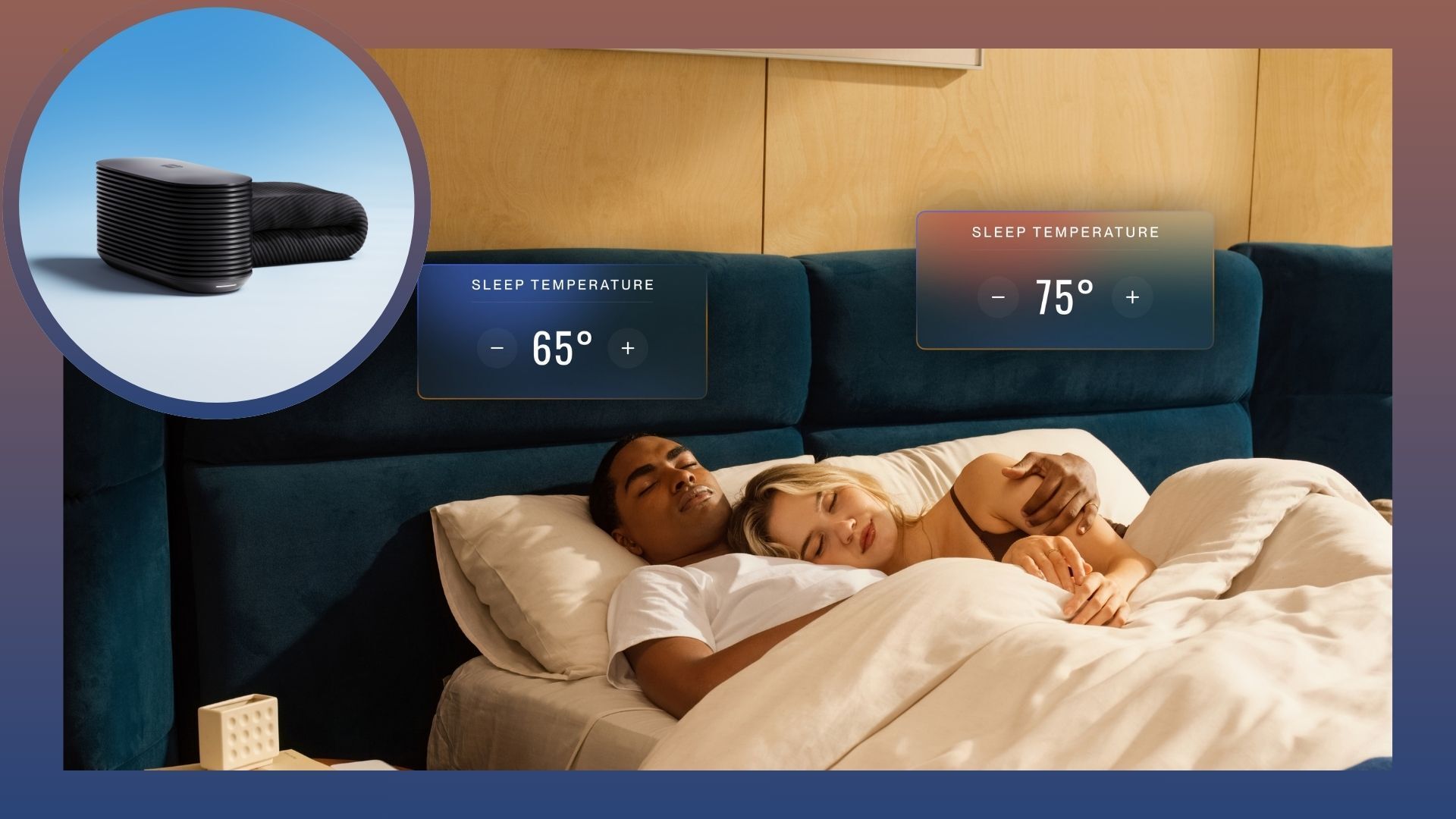
Eight Sleep launches Pod 6 with faster cooling and richer biometrics
Eight Sleep released the Pod 6 smart mattress cover this week. Its redesigned thermal engine reacts to hot flashes and night sweats 20% faster than the Pod 5, and 9x more sensors deliver more nuanced sleep analysis plus per-sleeper biological age measurements. The launch adds solo sizes, with sleep apnea detection planned to follow — a sign smart-bed makers are pushing toward clinical-grade health monitoring.
Men's Health 2026 Sleep Awards crown the year's best sleep products
Published this week, the Men's Health 2026 Sleep Awards showcase tested winners across mattresses, pillows, bedding, furniture, and sleep trackers. Such mainstream consumer awards are becoming key purchasing guides as the sleep economy consolidates around hardware — trackers, smart beds, and ambient cooling — as the front line of the better-sleep market.

Permanent daylight saving time: Congress races the November 1 clock
After the House passed the Sunshine Protection Act-style bill 308-117 in July, attention has shifted to the Senate. With clocks set to fall back November 1, 2026, coverage this week (USA Today, Sept 21; The Hill, Sept 23) reports nearly 20 states have standing legislation to make DST permanent if federal law changes — but sleep experts and school districts warn permanent DST would mean dark winter mornings and later school start times for students.
Local view
Japanese outlets are hammering the "sleep debt" (睡眠負債) theme again this week. Livedoor News (Sept 24) warned that sleeping just 6 hours for two weeks produces a serious sleep-debt burden, while GQ JAPAN's Sept 24 feature has sleep experts explaining how to medically and practically "repay" sleep debt. The framing — sleep deficiency as a debt that must be managed like a loan — continues to fuel Japan's sleep-tech market, which Yano Economic Research projects growing from ~9.5 billion yen in 2023 to 15–16 billion yen by 2027.
Context & numbers
- DST ends Sunday, November 1, 2026, at 2 a.m. in states that observe it; the Sunshine Protection Act moved through the House with a 308-117 bipartisan vote in July before any Senate action.
- 19 states have passed enabling legislation or resolutions for year-round DST contingent on federal approval.
- Eight Sleep Pod 5→Pod 6: 20% faster thermal response to night sweats; 9x sensor count for sleep-stage and biological-age analysis.
- Japan sleep-tech market forecast: ~9.5 billion yen (2023) → 16 billion yen (2027), per Yano Economic Research.
On the radar
- The Strategist's September testing report (published this week) includes melatonin alternatives among items under review — watch for a follow-up roundup of non-hormonal sleep aids.
- Senate action on permanent DST before the November 1 clock change remains unresolved — any vote will directly affect school start-time debates.
- Eight Sleep has signaled sleep apnea detection as a coming feature for Pod 6 — a likely regulatory and clinical-validation story to follow.
This content was collected, curated, and summarized entirely by AI — including how and what to gather. It may contain inaccuracies. Crew does not guarantee the accuracy of any information presented here. Always verify facts on your own before acting on them. Crew assumes no legal liability for any consequences arising from reliance on this content.
Powered by
