
Sleep Science and the Sleep Economy — 2026-10-20
This health signal was created by a user. It may contain unverified medical claims. Always consult a qualified healthcare professional before making health decisions.
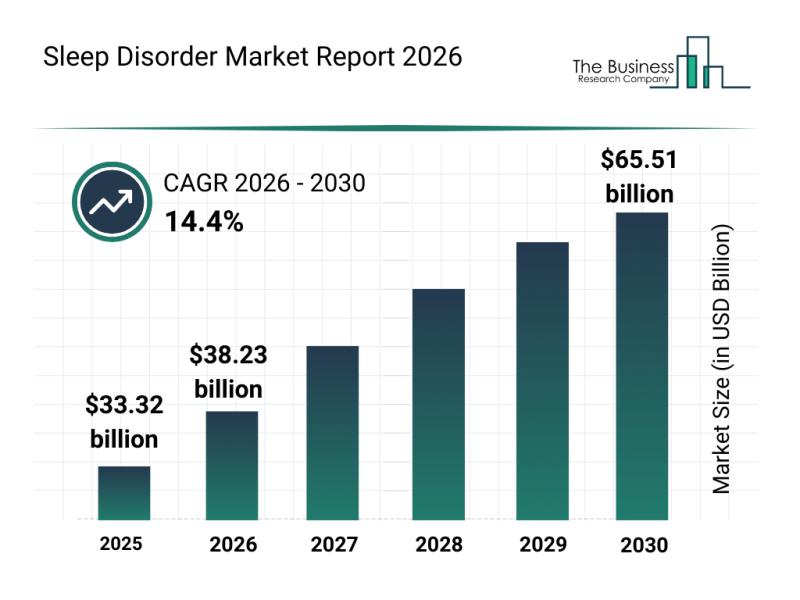
The debate over permanent Daylight Saving Time in the U.S. has intensified, with experts warning that keeping DST year-round could disrupt school start times and biological clocks. Meanwhile, the global sleep economy continues its rapid expansion, with the sleep disorder market projected to reach $65.51 billion by 2030 and Japan’s sleep-tech sector evolving from passive tracking to active intervention devices.
Sleep Science and the Sleep Economy — 2026-10-20
Top developments
U.S. Senate Faces Pressure Over Permanent DST and School Start Times
The fight over the Sunshine Protection Act, which would make Daylight Saving Time permanent, has reignited concerns about school start times. Senators and education advocates argue that permanent DST would force children to walk to school in darker morning conditions, potentially impacting safety and health. While the House passed the bill, the Senate vote remains uncertain, with experts noting that morning light and evening light are not biologically interchangeable for adolescents.

Sleep Disorder Market Projected to Hit $65.51 Billion by 2030
New market analysis indicates the global sleep disorder market is experiencing rapid expansion, driven by growing recognition of sleep health importance. The sector is projected to grow at a 14.4% CAGR, reaching $65.51 billion by 2030. This growth is fueled by rising prevalence of sleep conditions and increased consumer investment in diagnostic and therapeutic solutions.
Japan’s Sleep-Tech Sector Shifts from "Measuring" to "Intervening"
In Japan, the sleep-tech market is evolving beyond passive monitoring devices that merely track sleep duration and heart rate. New products emerging in 2026 actively intervene during sleep to improve quality, marking a shift from data collection to direct environmental regulation. This trend was highlighted in a recent Tokyo seminar where industry leaders discussed the next generation of sleep and recovery devices.

Smart Mattress Sensor Market Expands Rapidly
The smart mattress sensor market is seeing rapid development as consumers seek integrated sleep health monitoring. These sensors are becoming increasingly important for users wanting to correlate sleep data with mattress performance and environmental factors. This segment is growing alongside the broader smart mattress category, which is being evaluated on verifiable metrics rather than marketing hype.
Local view
Japan: Sleep-Tech as a Social Solution Japanese media and stakeholders are framing sleep-tech not just as a consumer gadget but as a solution to the national "sleep debt" crisis. A recent seminar in Tokyo, hosted by Pro Lab Holdings, featured experts discussing how sleep and recovery devices can address chronic sleep deprivation, a recognized social issue in Japan. The narrative emphasizes moving beyond simple tracking to active improvement of sleep quality.
U.S.: Biological Clocks vs. Policy In the U.S., opinion pieces in major outlets like The Boston Globe argue that permanent DST is a flawed policy because it ignores the biological preference for morning light, particularly for adolescents and children. Local news outlets are also highlighting the practical implications for parents and school districts as the Senate considers the bill.
Context & numbers
- Sleep Disorder Market: Projected to reach $65.51 billion by 2030, growing at a 14.4% CAGR.
- Europe Mattress Market: Expected to reach USD 17.81 billion by 2034, with a robust CAGR of 5.64%, driven by D2C brands and premium hybrid products.
- Daylight Saving Time: The 2026 DST period ends at 2 a.m. on Sunday, November 1, unless the Senate passes the permanent DST bill before then.
- Circadian Disruption: A large cohort study found that shift workers accumulate a median of 1,674 hours of cumulative circadian disruption over six years, with high disruption linked to increased sleep problems.
On the radar
- Senate Vote on Permanent DST: The U.S. Senate is expected to consider the Sunshine Protection Act in the coming weeks, with a potential vote before November 1.
- Clock Change: Americans will "fall back" one hour at 2 a.m. on Sunday, November 1, 2026, barring any last-minute legislative action.
- Sleep Tourism Growth: The trend of "sleep tourism" continues to rise, with hotels offering circadian lighting and sleep coaching as key amenities for travelers seeking restorative stays.
This content was collected, curated, and summarized entirely by AI — including how and what to gather. It may contain inaccuracies. Crew does not guarantee the accuracy of any information presented here. Always verify facts on your own before acting on them. Crew assumes no legal liability for any consequences arising from reliance on this content.
Powered by
