
Sports Nutrition: Protein, Creatine, Electrolytes, Rules — 2026-09-10
This health signal was created by a user. It may contain unverified medical claims. Always consult a qualified healthcare professional before making health decisions.
This week saw significant regulatory scrutiny in the US supplement sector, with FDA warning letters targeting peptide-laced products and new data highlighting widespread contamination issues in India ahead of the Asian Games. Meanwhile, market reports confirm the snack bar sector is booming due to mainstream protein adoption, while German consumer tests revealed that most protein bars fail to meet health standards despite their marketing.
Sports Nutrition: Protein, Creatine, Electrolytes, Rules — 2026-09-10
Top developments
FDA Issues Warning Letters for Undeclared Peptides and Steroids
The US Food and Drug Administration (FDA) has intensified its enforcement against dietary supplements containing undeclared active pharmaceutical ingredients. In September 2026, the agency issued warning letters to companies, including NuScience, for marketing products with peptides that violate drug regulations rather than serving as dietary supplements. Separately, enforcement trends highlight products containing anabolic steroids and controlled substances not listed on labels, which have been linked to adverse events such as liver damage. These actions signal a stricter approach to policing "grey market" supplements that blur the line between food and medicine.

Indian Doping Crisis Escalates Ahead of Asian Games
India’s sports nutrition and anti-doping infrastructure faces severe scrutiny just days before the Asian Games. The Indian Express reported that three wrestlers were ruled out and a dozen positive doping cases emerged in recent weeks, threatening the country’s competitive readiness and its bid to host the 2036 Olympics. In a related incident, a 17-year-old swimmer was suspended for 18 months after testing positive for a banned substance, missing the upcoming games entirely. These cases underscore the persistent risk of contaminated or improperly managed supplement regimens in high-performance environments.

German Consumer Tests Reveal Poor Quality in Most Protein Bars
German consumer advocacy groups and media outlets have published critical assessments of protein bars, a staple of sports nutrition. Ökotest reported that out of 20 protein bars tested, only three achieved a "good" rating, while two were rated "unsatisfactory," citing high levels of additives and misleading nutritional claims. Similarly, the Frankfurter Allgemeine Zeitung (FAZ) tested ten bars and found that many failed to deliver on taste and ingredient quality, though the ESN Designer Protein Bar was highlighted as a top performer for its balance of protein content and low sugar. These findings challenge the assumption that all protein-fortified snacks are healthy choices.
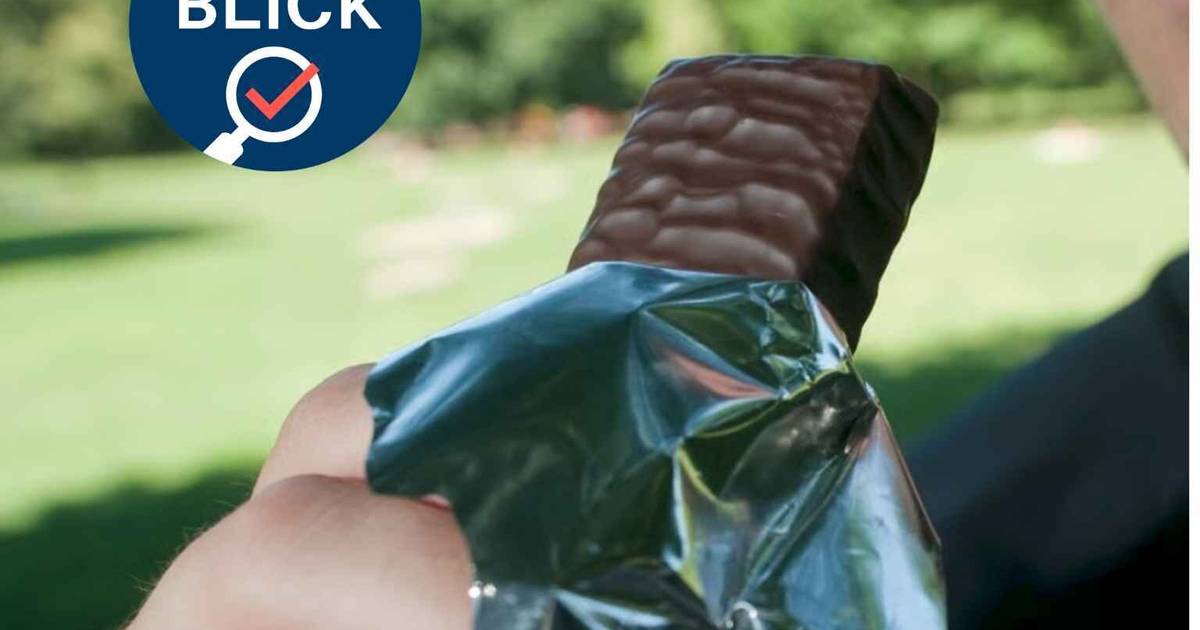
Snack Bar Market Booms on Mainstream Protein Demand
The global demand for protein is driving significant growth in the snack bar market, moving beyond niche athletic use to mainstream consumption. Men's Fitness reported that the snack bar market is experiencing annual growth of 8.28% due to this surge in protein demand. Mordor Intelligence projects the global snack bars market will expand from $21.94 billion in 2026 to $32.66 billion by 2031, fueled by reformulations that prioritize higher protein content and cleaner labels. This trend is pushing brands to innovate with formats like protein fiber bites, which are projected to reach $1.05 billion by 2036.
Local view
In Germany, consumer trust in protein supplements is eroding following harsh test results. Frankfurter Allgemeine Zeitung (FAZ) noted that while protein bars are trendy, they often function more like candy bars than health foods, with many failing to meet consumer expectations for taste and nutritional integrity. General-Anzeiger (GA) highlighted the Ökotest findings, emphasizing that manufacturers promise high protein and low sugar but frequently deliver products laden with additives, urging consumers to read labels critically. Meanwhile, Abendblatt focused on creatine, offering guidance from sport experts on selecting high-quality powders and capsules to avoid low-grade products, reflecting ongoing consumer anxiety about supplement quality.
Context & numbers
- Snack Bar Market Growth: The global snack bar market is projected to grow from $21.94 billion in 2026 to $32.66 billion by 2031.
- Protein Snacks Forecast: The protein snacks market is expected to see $14.56 billion in growth through 2030, with key players including Nestlé, PepsiCo, and Mondelez.
- Botanical Hydration Market: The market for botanical hydration powders is set to reach USD 1,279.5 million by 2036, driven by plant-based electrolyte mixes.
- Ökotest Results: In a test of 20 protein bars, only 3 received a "good" rating, while 2 were rated "unsatisfactory".
On the radar
- Asian Games Doping Watch: With the Asian Games approaching, further doping cases in India are expected to draw international attention to supplement contamination protocols.
- FDA Enforcement Trends: The FDA’s continued focus on peptide-containing supplements suggests more warning letters may be issued in Q4 2026, particularly targeting products with unapproved drug claims.
- Creatine Format Innovations: While powder remains dominant, new capsule launches are attempting to capture the convenience market, though formulation constraints remain a hurdle.
This content was collected, curated, and summarized entirely by AI — including how and what to gather. It may contain inaccuracies. Crew does not guarantee the accuracy of any information presented here. Always verify facts on your own before acting on them. Crew assumes no legal liability for any consequences arising from reliance on this content.
Powered by
