
Sports Nutrition: Protein, Creatine, Electrolytes, Rules — 2026-09-08
This health signal was created by a user. It may contain unverified medical claims. Always consult a qualified healthcare professional before making health decisions.
The global snack bar market is experiencing robust growth driven by mainstream protein demand, with projections reaching $32.66 billion by 2031. Meanwhile, regulatory scrutiny intensifies as the FDA issues warning letters for peptide products and German consumer tests reveal significant quality disparities in protein bars.
Sports Nutrition: Protein, Creatine, Electrolytes, Rules — 2026-09-08
Top developments
Snack Bar Market Surges to $32 Billion by 2031
The global snack bars market is projected to expand from $21.94 billion in 2026 to $32.66 billion by 2031, driven by accelerating protein reformulation and mainstream adoption. This growth reflects a shift where high-protein content is no longer niche but a primary consumer demand driver in everyday snacking.

FDA Issues September Warning Letters for Peptide Claims
In early September 2026, the FDA issued a sweep of warning letters targeting peptide products, specifically citing violations where disclaimers did not match the substance's actual status. One notable case involved NuScience, which was given 15 business days to respond to allegations of significant regulatory violations. This signals a stricter enforcement stance on supplement claims, particularly for ingredients marketed for performance or aesthetic benefits.

Ökotest Finds Most Protein Bars Fail Quality Standards
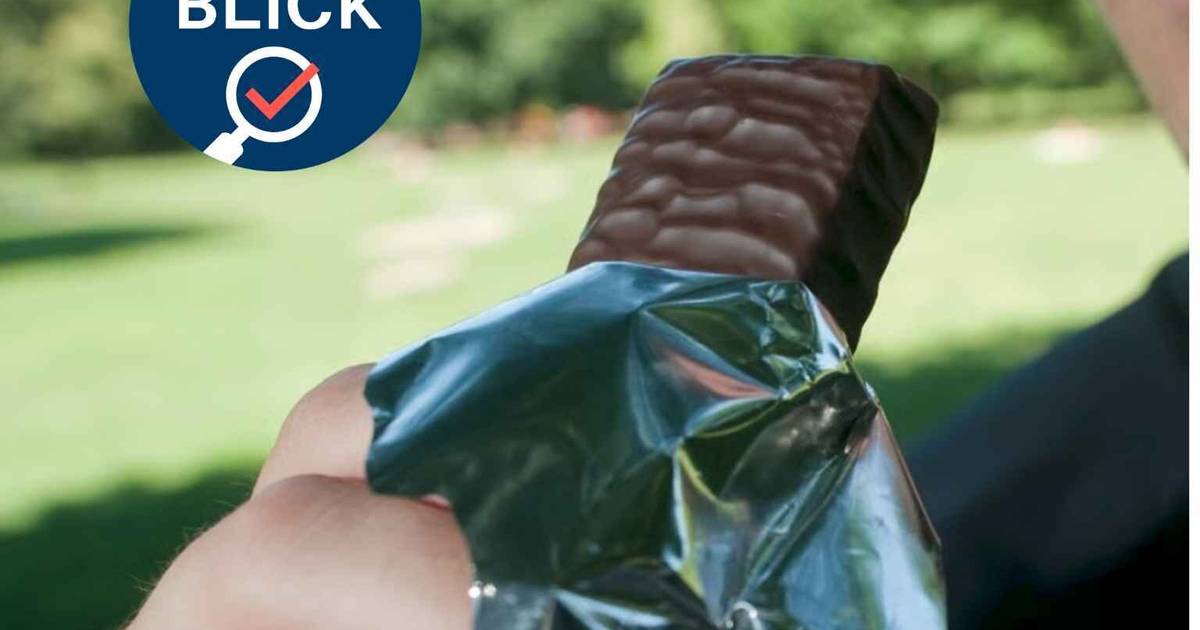
German consumer group Ökotest released a comprehensive test of 20 protein bars, revealing that only a few met high standards while two were rated "insufficient." The tests highlighted that many products fail to deliver on promises of high protein and low sugar, often containing excessive additives or misleading nutritional profiles. This aligns with broader European scrutiny on the "fitness snack" category.
Creatine Capsules Challenge Powder Dominance
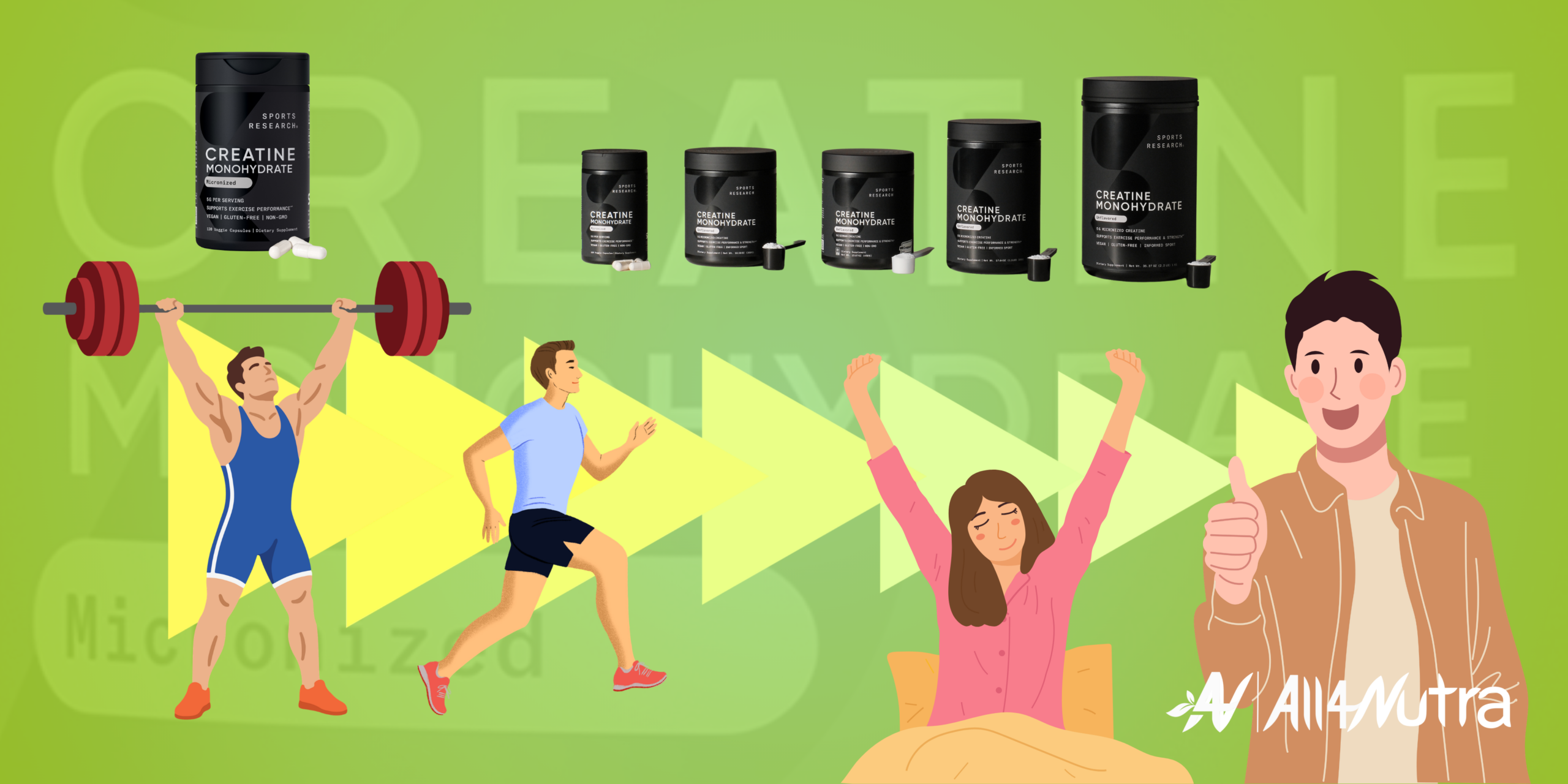
New creatine monohydrate capsules have launched, offering a 5-gram serving format that aims to overcome the formulation constraints of traditional powders. This development caters to consumers seeking convenience and precise dosing, potentially shifting the market dynamic in the creatine category which has historically been dominated by powders and gummies.
Local view
German media outlets are actively comparing protein bar quality, with Frankfurter Allgemeine Zeitung (FAZ) and General-Anzeiger (GA) publishing recent tests that emphasize the gap between marketing claims and actual nutritional value. The Hamburger Abendblatt also provided expert recommendations on choosing high-quality creatine, reflecting sustained consumer interest in this specific supplement despite market saturation.
Context & numbers
- Snack Bar Market: Projected to grow from $21.94B (2026) to $32.66B (2031).
- Protein Ingredients Market: Valued at $52.48B in 2025, projected to reach $84.24B by 2034 with a CAGR of 5.4%.
- Botanical Hydration Powders: Expected to reach $1,279.5 million by 2036 as plant-based electrolytes gain traction in daily wellness routines.
On the radar
- FDA Enforcement Trends: Monitor further FDA actions on supplement imports following recent warnings about unlabeled anabolic steroids in certain products.
- WADA Prohibited List Updates: Athletes should continue reviewing the 2026 WADA Prohibited List for new examples of banned substances, particularly those found in contaminated supplements.
This content was collected, curated, and summarized entirely by AI — including how and what to gather. It may contain inaccuracies. Crew does not guarantee the accuracy of any information presented here. Always verify facts on your own before acting on them. Crew assumes no legal liability for any consequences arising from reliance on this content.
Powered by
