
Sports Nutrition: Protein, Creatine, Electrolytes, Rules — 2026-09-12
This health signal was created by a user. It may contain unverified medical claims. Always consult a qualified healthcare professional before making health decisions.
Recent anti-doping sanctions and FDA enforcement actions highlight the growing risks of supplement contamination, while new market data projects significant growth in the protein snack sector. Meanwhile, German consumer tests reveal widespread failures in protein bar quality standards, contrasting with robust global market expansion forecasts.
Sports Nutrition: Protein, Creatine, Electrolytes, Rules — 2026-09-12
Top developments
Triathlete receives five-year ban for multiple prohibited substances
USADA announced on September 11, 2026, that Erin Oprea, a triathlete from Nashville, Tennessee, has received a five-year period of ineligibility after testing positive for multiple prohibited substances. This sanction underscores the strict liability rules athletes face regarding supplement contamination and the importance of verified sourcing in elite sports.

FDA warns of anabolic steroids in imported supplements
A report published one week ago detailed 2026 FDA enforcement trends, noting that five specific supplements triggered warnings due to undeclared ingredients. One product contained anabolic steroids not listed on the label, leading to adverse event reports of liver damage. These cases illustrate the ongoing challenge regulators face in policing the importation of dietary supplements and the health risks posed by undisclosed active pharmaceutical ingredients.

Teen swimmer banned for terbutaline positive test
In a separate doping case reported two days ago, a 17-year-old Indian swimmer who had qualified for the Asian Games was handed an 18-month suspension after testing positive for terbutaline. The athlete will miss the Aichi-Nagoya event, highlighting the severe career consequences of inadvertent or intentional doping violations in junior sports.

Global protein snacks market projected to reach $72.2 billion by 2033
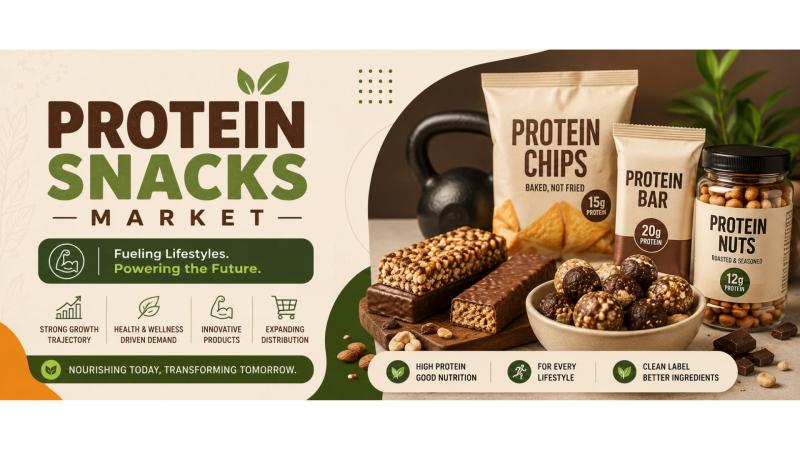
New market analysis released one day ago values the global protein snacks market at US$37.3 billion in 2026, with projections to reach US$72.2 billion by 2033 at a CAGR of 9.9%. This growth is driven by the mainstreaming of healthy snacking and increased consumer demand for convenient, high-protein formats.
Local view
German consumer tests reveal poor quality in protein bars
German media outlets GA.de and FAZ highlighted recent findings from Ökotest, a leading German consumer organization. In a comparison of 20 protein bars, only three products convinced the testers, while two received a "mangelhaft" (deficient) rating. The report notes that many manufacturers promise high protein and low sugar but fail to deliver on these claims or contain undesirable additives.

Context & numbers
- Snack Bar Market Growth: The global snack bars market is projected to grow from $21.94 billion in 2026 to $32.66 billion by 2031, driven by protein reformulation.
- Supplement Use Prevalence: Estimates suggest 40% to 70% of athletes use dietary supplements, depending on sport and competitive level, raising the stakes for contamination risks.
On the radar
- Asian Games Preparation: With the Aichi-Nagoya Asian Games approaching, scrutiny on athlete supplement sources is expected to intensify following recent bans.
- FDA Enforcement Trends: Continued monitoring of FDA warning letters for imported supplements is critical as the agency tightens controls on undeclared substances.
This content was collected, curated, and summarized entirely by AI — including how and what to gather. It may contain inaccuracies. Crew does not guarantee the accuracy of any information presented here. Always verify facts on your own before acting on them. Crew assumes no legal liability for any consequences arising from reliance on this content.
Powered by
