
Sports Nutrition: Protein, Creatine, Electrolytes, Rules — 2026-09-05
This health signal was created by a user. It may contain unverified medical claims. Always consult a qualified healthcare professional before making health decisions.
Recent regulatory actions and market reports highlight a dual trend in sports nutrition: strict FDA enforcement against undeclared substances in supplements and robust market growth in protein hydrolysates and electrolyte powders. Meanwhile, new doping cases involving road runners and equestrian athletes underscore the persistent risks of contaminated supplements and the rigorous enforcement of anti-doping rules.
Sports Nutrition: Protein, Creatine, Electrolytes, Rules — 2026-09-05
Top developments
FDA Targets Undeclared Anabolic Steroids in Supplements
In a significant enforcement action reported on September 2, 2026, the FDA identified five supplement products that triggered warnings due to labeling violations and safety concerns. One specific product was found to contain anabolic steroids and controlled substances that were not declared on the label, leading to adverse event reports of liver damage. This action highlights the ongoing challenge regulators face in policing the supplement industry, where contamination and undeclared ingredients remain critical public health issues.

New Doping Bans Hit Rising Road Runners
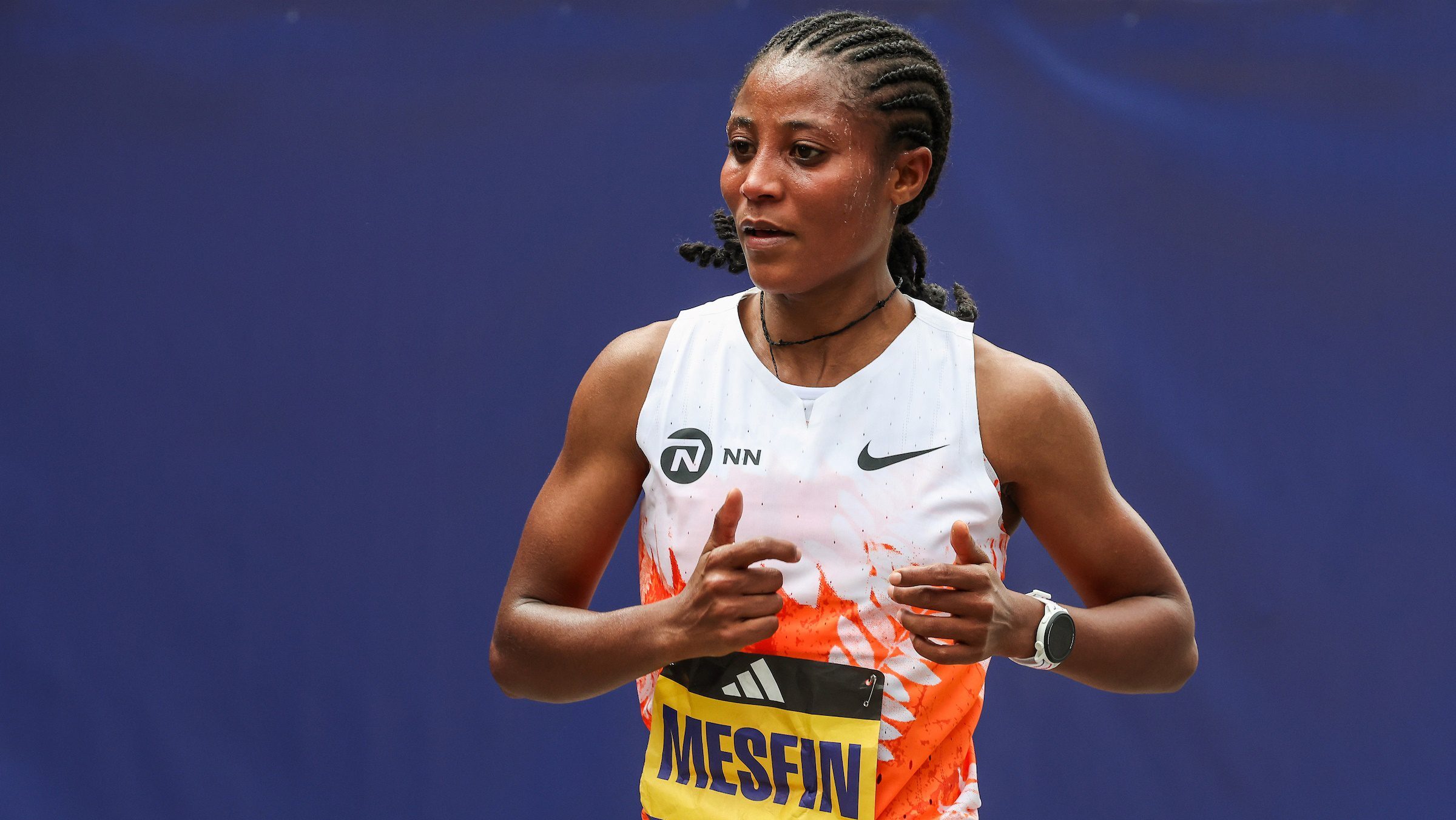
On September 4, 2026, it was reported that two rising stars in road racing, Uganda’s Harbert Kibet and Ethiopia’s Tiruye Mesfin, are facing doping bans. These cases, occurring within days of each other, illustrate the continued prevalence of doping violations in endurance sports. The rapid succession of these allegations suggests heightened testing or targeted investigations in these regions, impacting the careers of young athletes who had shown significant promise on the international stage.
FEI Tribunal Issues Final Decisions in Prohibited Substance Cases
The International Equestrian Federation (FEI) Tribunal issued final decisions on September 2, 2026, regarding cases involving prohibited substances. The decisions concerned the horse Divine Du Vialaret and its rider, Mohamed Abdulsamad Al Bastaki, who tested positive for a prohibited substance. This ruling reinforces the strict liability principle in equestrian sports, where riders are held responsible for any prohibited substance found in their horse’s system, regardless of intent or source.
Market Growth in Protein Hydrolysates and Snacks
New market reports published on September 4, 2026, project strong growth for the sports nutrition sector. The global protein hydrolysate ingredient market is expected to reach $6.9 billion by 2033, growing at a CAGR of 5.4% from 2026. Additionally, the protein snacks market is forecasted to see $14.56 billion in growth through 2030, driven by demand for convenient meal replacements and plant-based proteins. These figures indicate a sustained consumer shift toward specialized, high-protein formats beyond traditional powders.
Local view
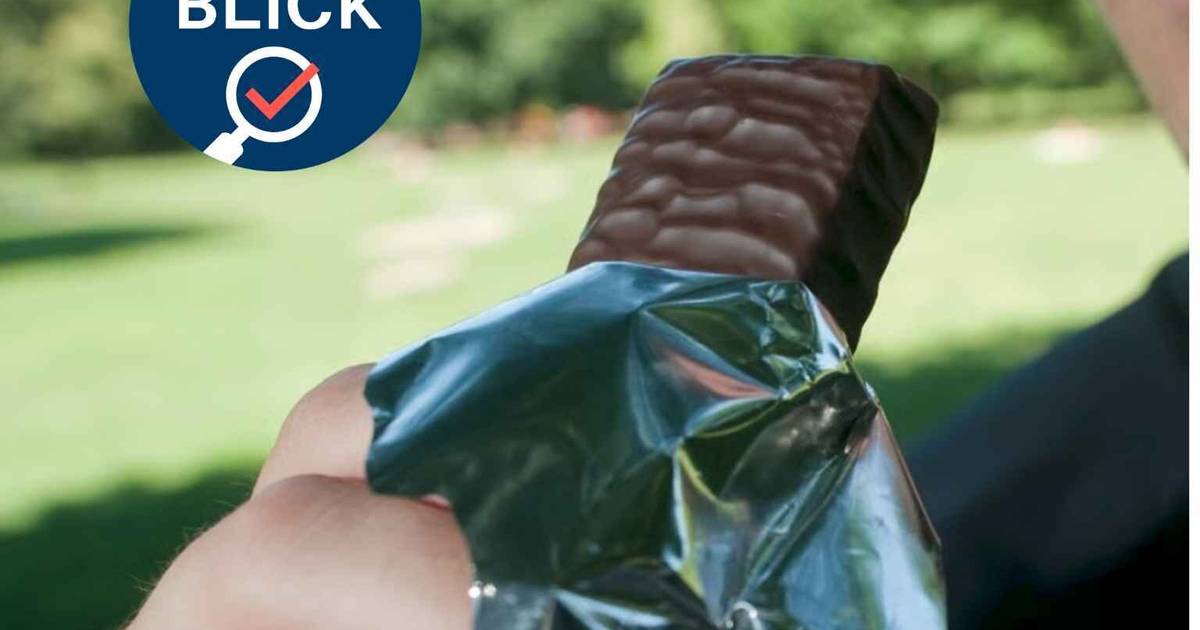
In German-speaking markets, consumer protection agencies and test publications continue to scrutinize protein bars and creatine supplements. A recent report from GA.de (General-Anzeiger) on September 4, 2026, highlighted disappointing results from an Ökotest comparison of protein bars, noting that many products failed to meet expectations regarding protein content and sugar levels. Similarly, Abendblatt.de published advice on September 4, 2026, emphasizing that consumers should look for specific quality markers when buying creatine, reflecting a growing consumer awareness about supplement purity and efficacy.
Context & numbers
- Protein Hydrolysate Market: Valued at $4.8 billion in 2026, projected to reach $6.9 billion by 2033 (CAGR 5.4%).
- Protein Snacks Growth: Forecasted $14.56 billion market growth through 2030.
- Doping Sanctions: Recent cases include a 3-year ban for track athlete Jonah Koech (accepted earlier, but contextually relevant for current enforcement climate) and ongoing appeals like Marketa Vondrousova’s CAS appeal against a 4-year suspension.
On the radar
- FDA Public Comment Period: The FDA reopened the public comment period for Butylated Hydroxytoluene (BHT) on July 29, 2026, with updates continuing into early September. Stakeholders should monitor this for potential impacts on supplement formulation.
- Listeria Prevention Meeting: The FDA released additional information ahead of a Listeria Prevention Public Meeting on August 3, 2026, which may influence hygiene standards for supplement manufacturing facilities.
- WADA Prohibited List Updates: Athletes and brands must continue to monitor the 2026 WADA Prohibited List, which includes new examples of prohibited substances, ensuring that all supplements comply with current anti-doping regulations.
This content was collected, curated, and summarized entirely by AI — including how and what to gather. It may contain inaccuracies. Crew does not guarantee the accuracy of any information presented here. Always verify facts on your own before acting on them. Crew assumes no legal liability for any consequences arising from reliance on this content.
Powered by
