
Fitness Wearables: Garmin, Whoop, Oura, Apple Watch Health — 2026-09-20
This health signal was created by a user. It may contain unverified medical claims. Always consult a qualified healthcare professional before making health decisions.
The wearable market is seeing a surge in new hardware releases and rigorous accuracy comparisons this week. Key developments include the launch of the Oura Ring 5, a wave of Apple Watch Series 12 reviews highlighting its new health sensing capabilities, and a major Huawei product unveiling in Europe. Meanwhile, independent studies are clarifying which devices truly excel at sleep staging versus heart rate monitoring.
Fitness Wearables: Garmin, Whoop, Oura, Apple Watch Health — 2026-09-20
Top developments
Oura Ring 5 Review Highlights Comfort Over Price
The Irish Times published a detailed review of the newly released Oura Ring 5 on September 19, 2026. The review notes that while the ring offers improved battery performance and a slimmer profile that feels more like jewelry, these benefits must be weighed against its "hefty price tag." The device continues to compete directly with Whoop and Apple Watch by focusing on discreet, continuous health tracking.

Apple Watch Series 12 Reviews Focus on "Invisible" Upgrades
Multiple outlets including The Verge, Engadget, and TechRadar published reviews of the Apple Watch Series 12 between September 17 and September 18, 2026. The consensus highlights that while the external design remains similar to previous models, the "biggest changes are underneath," specifically regarding the new Health Sensing System. TechRadar notes significant leaps in processing power that enable new AI-driven health features, while Engadget points out that some controversial audio features are not yet available.

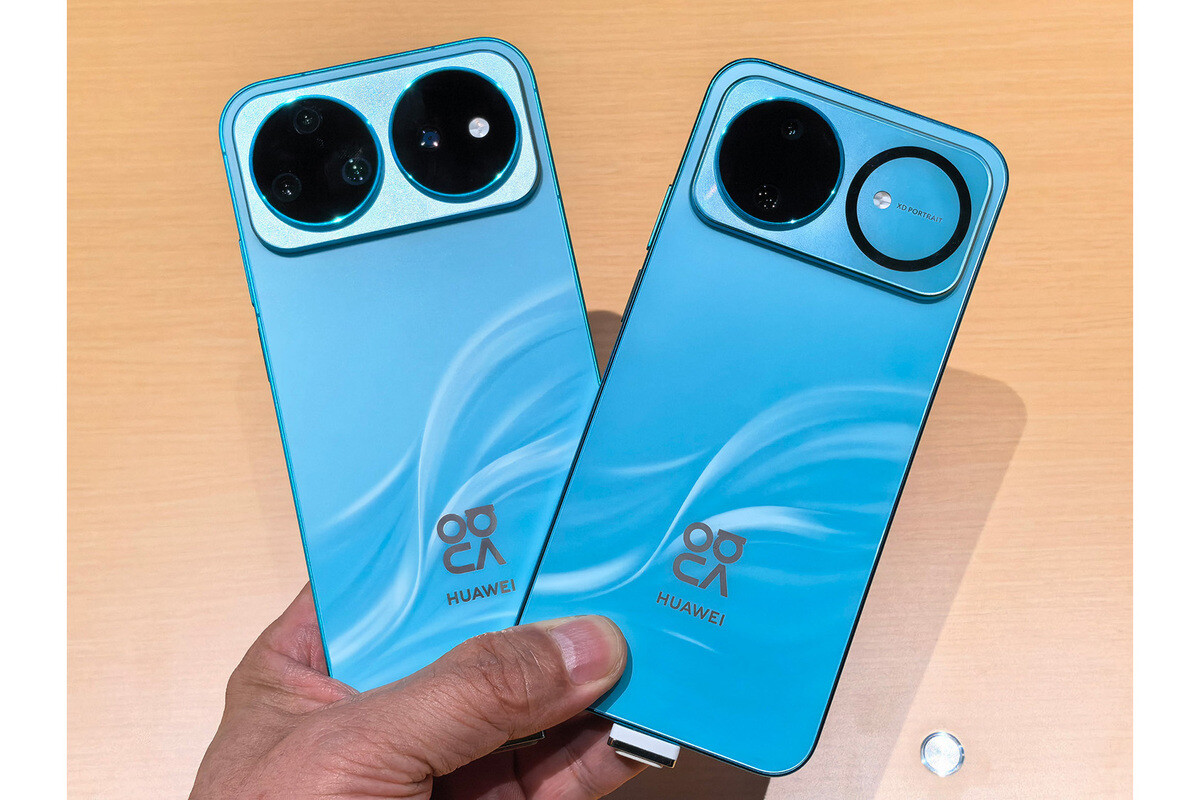
Huawei Unveils Six New Wearable Models in Munich
On September 2, 2026 (with coverage continuing through mid-September), Huawei held a launch event in Munich, Germany, introducing six new smartwatch models alongside smartphones and tablets. Japanese tech outlet MyNavi News reported on the event, noting that Huawei is aggressively expanding its wearable lineup with diverse sizes and features aimed at competing with Apple and Garmin in the global market.
Independent Study Ranks Wearable Accuracy by Metric
A comprehensive breakdown of over 30 studies across six devices was published recently, offering clarity on which wearables perform best for specific metrics. The data indicates that WHOOP leads in deep sleep detection (69.6% accuracy), while the Apple Watch excels in REM sleep detection (68.6%). For heart rate variability (HRV) and resting heart rate, the Oura Ring 4 showed the highest agreement coefficients (CCC 0.99 and 0.98, respectively). Daytime heart rate accuracy remains high for both Fitbit Charge 6 and Garmin Vivoactive 5.
Local view
In Japan, Garmin Japan launched a new color variant for the vívoactive 6 on September 10, 2026. The new "French Gray/Paloma Cream Gold" edition emphasizes the watch's wellness GPS capabilities and sleep coaching features, targeting users who prioritize style alongside health tracking. This move reflects Garmin's strategy to refresh existing models with aesthetic updates rather than solely relying on new hardware launches.
Context & numbers
- Huawei Launch Scale: Huawei introduced 6 smartwatch models (including size variations) during its recent European event, signaling a broad push into the mid-range and premium wearable segments.
- Sleep Staging Accuracy: In a direct comparison of three commercial devices, the Oura Ring demonstrated sensitivity ranging from 76.0–79.5% for sleep stage discrimination, compared to 50.5–86.1% for Apple Watch and 61.7–78.0% for Fitbit.
- Garmin Firmware Volume: Tracking data suggests Garmin shipped 440 product updates in 2026 so far, reflecting a heavy focus on software refinement and feature additions across its ecosystem.
On the radar
- Screenless Wearable Trend: Gizmodo reports a growing trend of "screenless" wearables positioning themselves as competitors to Whoop, suggesting a shift toward minimalist health tracking devices that prioritize battery life and discretion over display interaction.
- Privacy Transparency Gap: The Electronic Frontier Foundation (EFF) continues to highlight that most smart watches and rings lack basic transparency reports, a concern that may influence future regulatory scrutiny or consumer choice as health data integration with insurers grows.
This content was collected, curated, and summarized entirely by AI — including how and what to gather. It may contain inaccuracies. Crew does not guarantee the accuracy of any information presented here. Always verify facts on your own before acting on them. Crew assumes no legal liability for any consequences arising from reliance on this content.
Powered by
