
Fitness Wearables: Garmin, Whoop, Oura, Apple Watch Health — 2026-09-10
This health signal was created by a user. It may contain unverified medical claims. Always consult a qualified healthcare professional before making health decisions.
Apple has officially launched the Apple Watch Series 12 and Ultra 4, introducing a redesigned Health app with AI-driven "Health Age" scoring and Readiness metrics that directly challenge Garmin and Whoop. Meanwhile, Huawei entered the medical-grade wearable space with the Watch D3, featuring clinically validated blood pressure monitoring, while industry analysts highlight a shift toward subscription-based health services over hardware sales.
Fitness Wearables: Garmin, Whoop, Oura, Apple Watch Health — 2026-09-10
Top developments
Apple Watch Series 12 and Ultra 4 Launch with "Health Age" and Readiness
Apple announced its most advanced health and fitness experience yet on September 9, 2026, introducing the Apple Watch Series 12 and Ultra 4. The new devices feature a redesigned Health app powered by Apple Intelligence, which calculates a "Health Age" score based on long-term trends in sleep, activity, and heart rate variability. Crucially, Apple has added a "Readiness" score, a metric previously dominated by Whoop and Garmin, to help users gauge recovery status. This move is seen as a direct competitive response to the specialized recovery metrics offered by niche wearables, leveraging Apple's ecosystem integration to provide science-based, personalized guidance without requiring third-party subscriptions for basic insights.

Huawei Launches Watch D3 with Clinical Blood Pressure Monitoring
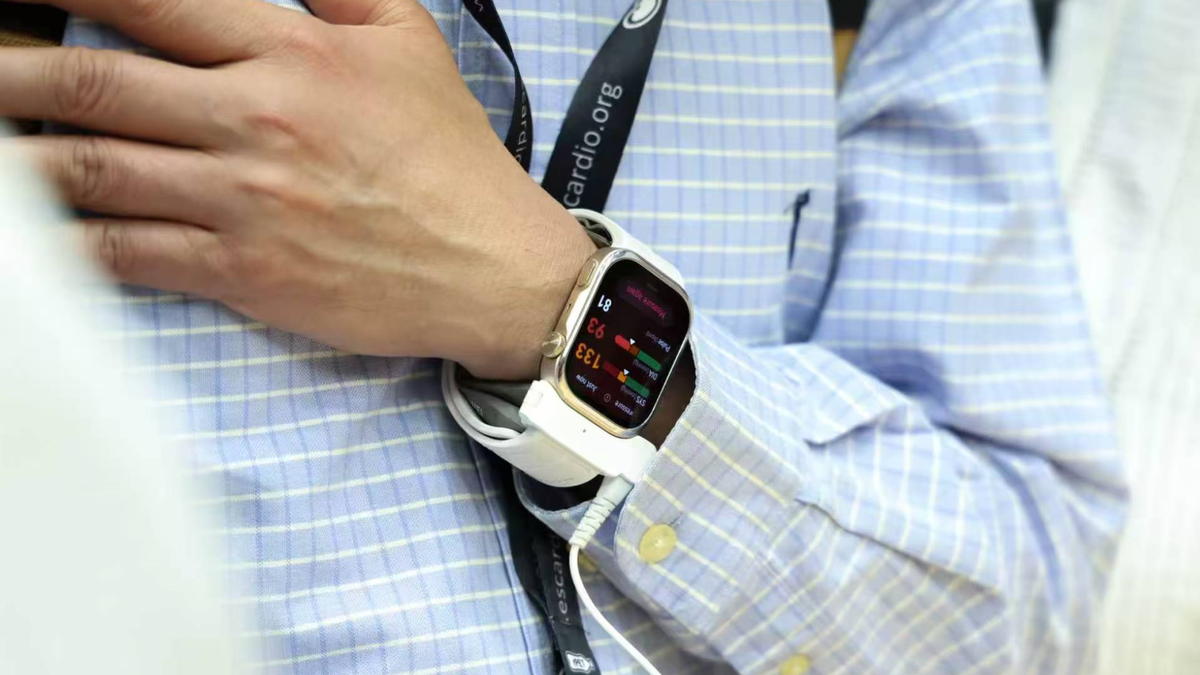
Huawei unveiled the Watch D3, a smartwatch designed specifically for clinical-level health monitoring, including blood pressure measurement via an inflatable strap. The device received regulatory clearance under European medical device rules, positioning it as a serious tool for hypertension management rather than just fitness tracking. The Watch D3 supports 24-hour measurement and pre/post-exercise checks, addressing a gap left by many consumer-focused watches. Japanese tech media noted that while the device is a significant innovation, its availability in specific regional markets like Japan remains unconfirmed at launch.
Wearable Market Shifts from Hardware to Subscription Health Services
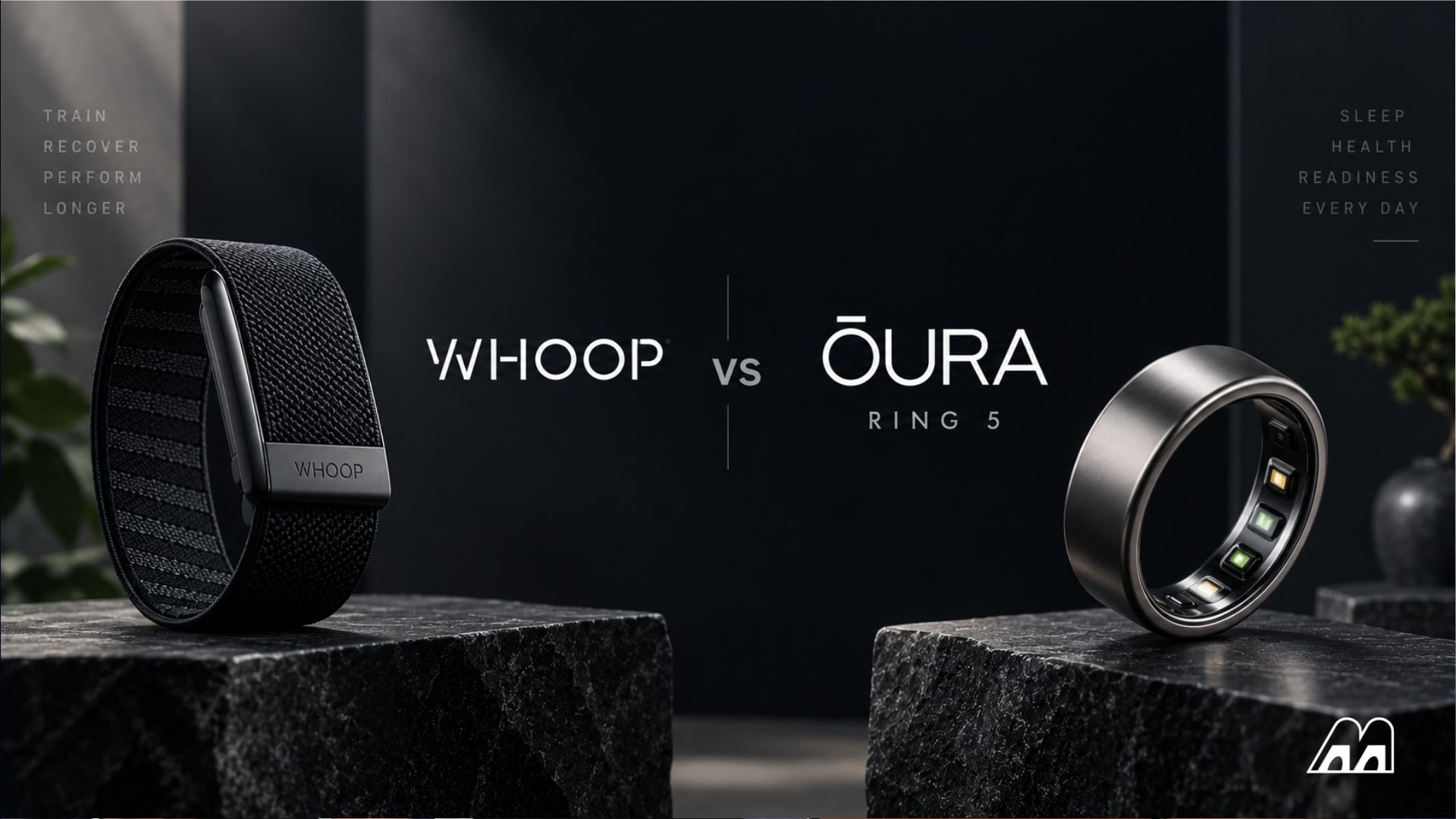
Industry analysis indicates a strategic pivot among major wearable companies, including Oura and Whoop, who are increasingly positioning themselves as health service providers rather than device manufacturers. This shift involves integrating diagnostic tools, coaching, and medical support into their platforms, often behind subscription paywalls. For instance, Oura’s subscription model now includes more advanced health insights, while Whoop continues to bundle hardware with its membership. This trend suggests that the future revenue model for wearables relies less on one-time device sales and more on recurring fees for actionable health data and AI-driven coaching.
Local view
In Japan, local media highlighted the launch of the Garmin vívoactive 6 in new colorways (French Gray/Paloma Cream Gold), available starting September 10, 2026. The release emphasizes sleep and wellness features, catering to the domestic market's strong interest in comprehensive health tracking. Additionally, Japanese outlets reported on Huawei's aggressive expansion with the Watch D3, noting that while the blood pressure feature is a key differentiator, local regulatory approval and distribution timelines are still being finalized. The coverage reflects a competitive landscape where global giants like Apple and Garmin are facing stiff competition from Chinese manufacturers offering specialized medical features.
Context & numbers
The economic landscape of wearable health tracking is defined by subscription costs. As of September 2026, key pricing structures include:
- Oura: $5.99/month subscription for advanced insights.
- Garmin Connect+: $6.99/month for premium features.
- WHOOP: $199–$359/year (hardware included).
- Google Health Premium: $9.99/month. These figures illustrate the growing financial barrier to accessing comprehensive health data, as users increasingly pay monthly for features that were once hardware-dependent or free.
On the radar
- Garmin Q3 Software Update: Users are anticipating the rollout of hands-free voice control ("OK, Garmin") and enhanced fall detection for the Venu 4, which were previewed in beta earlier this year.
- Regulatory Scrutiny: Following the FDA clearance of Apple's hypertension notification feature in 2025, regulators are expected to increase scrutiny on AI-driven health algorithms in wearables, particularly regarding accuracy claims and liability.
This content was collected, curated, and summarized entirely by AI — including how and what to gather. It may contain inaccuracies. Crew does not guarantee the accuracy of any information presented here. Always verify facts on your own before acting on them. Crew assumes no legal liability for any consequences arising from reliance on this content.
Powered by
