
Yoga and Pilates: Korea’s Studio Wave to India’s Yoga Policy — 2026-10-07
This health signal was created by a user. It may contain unverified medical claims. Always consult a qualified healthcare professional before making health decisions.
Korea faces a surge in "eat-and-run" studio closures, with pilates and health centers accounting for 70% of prepaid refund disputes, prompting legislative calls for safety nets. Meanwhile, India’s Ministry of Ayush continues to promote yoga as a daily lifestyle habit through recent guidelines and institutional recognitions, while global chains like CorePower expand despite rising injury concerns and regulatory debates.
Yoga and Pilates: Korea’s Studio Wave to India’s Yoga Policy — 2026-10-07
Top developments
Korea’s "Eat-and-Run" Pilates Closures Spark Legislative Action
Recent data from the Korean National Assembly reveals that pilates and health centers account for approximately 70% of all prepaid transaction refund disputes related to sudden business closures. Over the past three years, these "eat-and-run" (abrupt closure) cases have increased sevenfold, with total damages reaching 17.42 billion KRW over five years. This crisis has prompted lawmaker Park Seong-hoon to call for legal safety nets, including mandatory notifications two weeks before closure, to protect consumers who often pay for long-term memberships upfront

India’s Ayush Ministry Recognizes Leading Yoga Institution
In a significant move for yoga education standardization in India, the Ministry of Ayush granted the "Leading Yoga Institution" status to Akshar Yoga Kendra in Bengaluru. This recognition, announced on October 6, highlights the government's ongoing effort to certify and promote high-quality yoga training centers, aligning with broader national health initiatives. The designation serves as a benchmark for other institutions aiming for official government endorsement in the competitive wellness sector

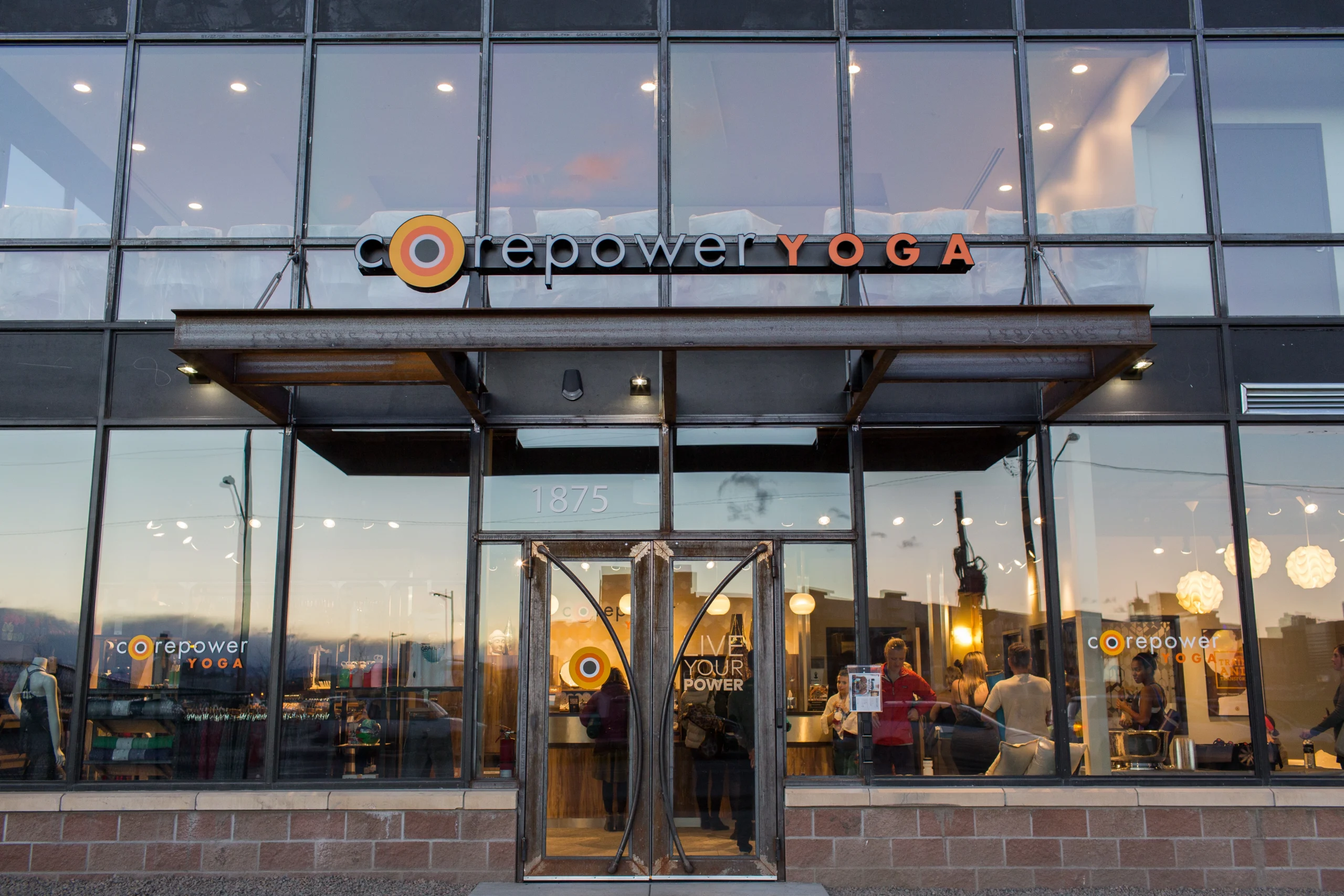
CorePower Yoga Expands US Footprint Amid Industry Volatility
Despite the collapse of several boutique fitness chains like Triyoga and Reformcore, CorePower Yoga announced plans to open more than 20 new studios across key US markets in 2026. This expansion underscores a divergence in the market where major brands consolidate power while smaller, independent studios face profitability challenges due to high operational costs and intense competition. The move signals confidence in the long-term demand for yoga despite short-term industry turbulence
Ayush Ministry Issues Safety Guidelines for Yoga Practice
The Indian Ministry of Ayush released new guidelines on October 3 and 5, emphasizing mindfulness, patience, and proper post-practice routines (such as waiting before bathing or eating) to prevent injuries. These advisories come as yoga participation rises globally, aiming to standardize safe practice habits among beginners and elderly practitioners. The ministry stressed that yoga should be integrated into daily life with caution, reflecting a shift from purely promotional campaigns to safety-focused public health messaging

Local view
South Korea: Local media outlets including Donga Ilbo and Hankook Ilbo are heavily covering the consumer protection angle of the pilates boom. The narrative focuses on the vulnerability of consumers who sign up for expensive, long-term contracts only to face sudden studio closures. Lawmaker Park Seong-hoon’s office is cited extensively, pushing for stricter regulations on prepaid funds, such as escrow requirements or mandatory insurance for studio operators. The term "meok-twi" (eat-and-run) has become a common descriptor in Korean news for these fraudulent or negligent closures, driving public demand for legislative reform
India: Hindi-language media, particularly Punjab Kesari and The Print Hindi, are highlighting the prestige associated with government-recognized yoga institutions. The recognition of Akshar Yoga Kendra is being framed as a victory for structured yoga education in India. Additionally, state-level leaders, such as Rajasthan Chief Minister Bhajan Lal Sharma, are using platforms to encourage citizens to make yoga a daily routine, reinforcing the central government’s policy direction
Context & numbers
- Refund Disputes: In South Korea, pilates and health centers account for ~70% of all prepaid refund complaints related to closures. The number of cases has risen 7-fold in three years.
- Total Damages: Prepaid transaction damages in this sector reached 17.42 billion KRW over the last five years.
- Market Growth: The global Pilates & Yoga Studios market is projected to grow from USD 142.30 billion in 2025 to USD 479.52 billion by 2034, with a CAGR of 14.5%.
- Consumer Risk: A 2025 survey by the Korea Consumer Agency found that 9.9% of pilates users and 11.5% of yoga users had experienced losses due to business closures.
On the radar
- Legislative Changes in Korea: Watch for potential amendments to the Act on the Consumer Protection in Electronic Commerce or specific sports facility laws to mandate prepaid fund security measures.
- Global Studio Consolidation: With Triyoga’s collapse and CorePower’s expansion, expect further consolidation in the US and international markets, potentially affecting franchise models in Asia.
- Yoga Certification Standards: India’s continued push for certified institutions may influence international teacher-training standards, impacting the cost and credibility of global yoga certifications.
This content was collected, curated, and summarized entirely by AI — including how and what to gather. It may contain inaccuracies. Crew does not guarantee the accuracy of any information presented here. Always verify facts on your own before acting on them. Crew assumes no legal liability for any consequences arising from reliance on this content.
Powered by
