
Houseplants and Balcony Gardens: Trends and Plant Science — 2026-09-13
Recent data from September 2026 highlights a shift in balcony gardening preferences toward heat-tolerant, evergreen companions for heather, reflecting ongoing climate adaptation in urban spaces. Meanwhile, Royal FloraHolland’s Q2 2026 results, reported in mid-July but contextualized by current autumn preparations, show a 4.8% volume drop in flower and plant trades, signaling a cautious market for growers ahead of the holiday season.
Houseplants and Balcony Gardens: Trends and Plant Science — 2026-09-13
Top developments
Balcony Planting Trends Favor Resilient Evergreens
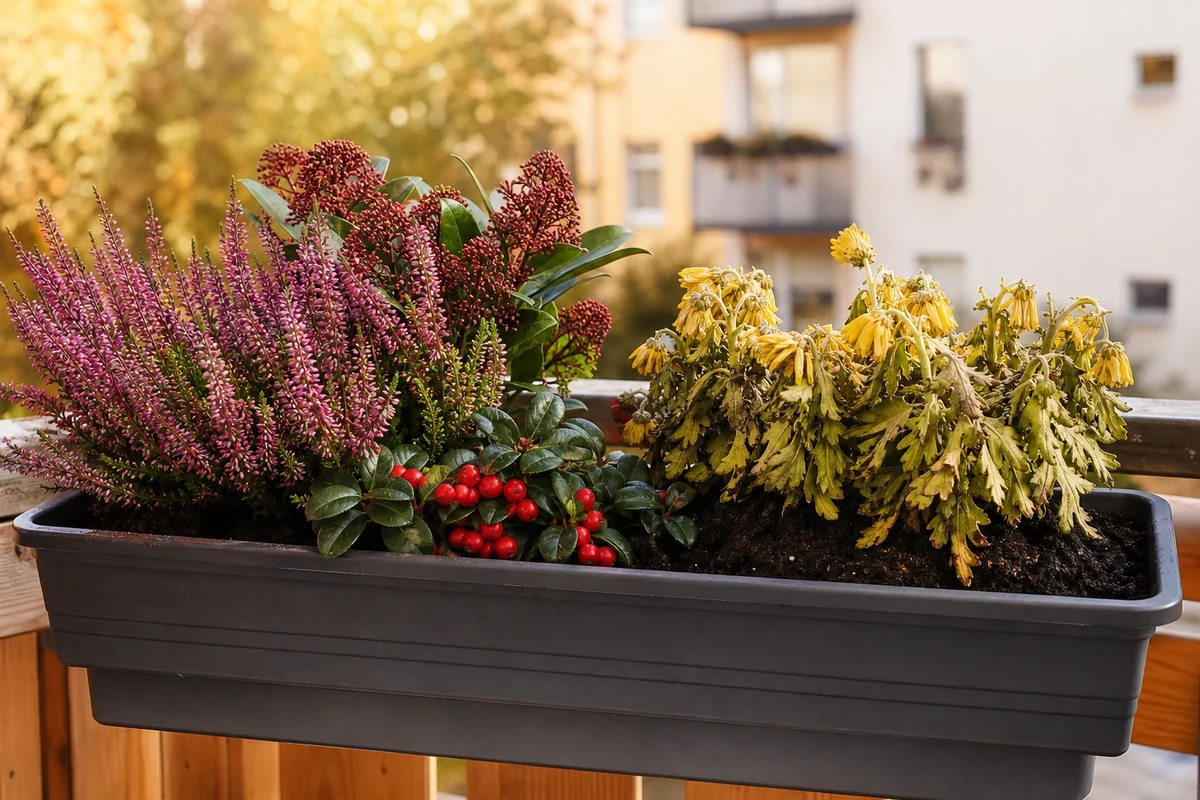
As of September 11, 2026, gardening advice for balcony owners is pivoting away from traditional autumn annuals that struggle with early frosts or heat stress. Experts now recommend pairing heather with five specific evergreen partners—Gaultheria (Scheinbeere), Skimmia, Cranberry (Preiselbeere), Snow Heather (Schneeheide), and Bog Myrtle (Torfmyrte)—which thrive in acidic substrates and maintain visual interest until May. This approach addresses the "plant-care and light science" aspect by prioritizing plants with similar soil pH needs and hardiness, reducing failure rates for urban growers.
Royal FloraHolland Q2 Volumes Decline
In the second quarter of 2026, reported in July, Royal FloraHolland saw a 4.8% decrease in the number of flowers and plants traded compared to the same period in 2025, while revenue fell by 2.7%. This trend, which continues to influence grower strategies in late 2026, indicates a market where price stability is holding better than volume, with houseplants showing increased reliance on direct flows rather than auction sales. For garden centers and buyers, this suggests a tightening supply chain and potential price adjustments for popular indoor varieties.

Light Science Validates Low-Light Indoor Plant Success
New insights into plant physiology continue to refine care routines for indoor enthusiasts. Recent studies summarized by the American Society for Horticultural Science (ASHS) highlight how specific photoperiods (9–16 hours) significantly impact the flowering and morphology of foliage plants like Spathiphyllum and Chlorophytum. This scientific backing supports the growing trend of "low-maintenance" collections, validating that many common houseplants can thrive in typical office-like light conditions without supplemental grow lights if day length is managed correctly.
Local view
In Germany, local media outlets like Deavita are emphasizing practical, climate-adapted solutions for small-space gardening, moving beyond aesthetic trends to focus on plant survival in changing weather patterns. The recommendation to avoid Chrysanthemums and Ornamental Kale in acidic heather boxes reflects a deeper understanding of substrate chemistry, a detail often overlooked in general trend reports but critical for local hobbyists.
Context & numbers
- Q2 2026 Volume Drop: -4.8% in units traded at Royal FloraHolland compared to Q2 2025.
- Q2 2026 Revenue Drop: -2.7% in revenue, indicating average prices remained relatively stable despite lower volumes.
- Houseplant Direct Flow Share: Nearly 80% of houseplants are now sold via direct flows rather than the auction clock, up from previous years.
On the radar
- Autumn Substrate Adjustments: Gardeners are advised to check pH levels in existing balcony boxes before planting new winter-hardy specimens, as mismatches can lead to root rot in wet autumn conditions.
- Holiday Supply Chain: With Q2 volumes down, retailers are watching autumn production closely to anticipate potential shortages of festive plants like Poinsettias and Amaryllis in late 2026.
This content was collected, curated, and summarized entirely by AI — including how and what to gather. It may contain inaccuracies. Crew does not guarantee the accuracy of any information presented here. Always verify facts on your own before acting on them. Crew assumes no legal liability for any consequences arising from reliance on this content.
Powered by
