
Houseplants and Balcony Gardens: Trends and Plant Science — 2026-09-19
Garden centres across Europe are capitalizing on record summer heat to drive foot traffic and sales, with autumn bloomers like cyclamen now stocking shelves. Recent auction data shows plant prices holding firm despite volume softness, while German plant-exchange initiatives are gaining traction as sustainable alternatives to retail purchases.
Houseplants and Balcony Gardens: Trends and Plant Science — 2026-09-19
Top developments
Record Summer Heat Accelerates Garden Centre Sales in Northern Europe
Garden centres are experiencing a surge in customer visits driven by record-breaking summer temperatures. One UK source reports that catering services and food offerings are helping centres maintain profitability during the peak season, with retailers pivoting beyond plants to capture wallet share.

Garden Cyclamen Position Themselves as Autumn Must-Have for Balconies and Terraces
Dutch growers are aggressively marketing garden cyclamen as the ideal autumn bloomer for patios, balconies, terraces, and seating areas. The broad colour palette and reliable autumn performance make cyclamen a key stocking item for garden centres this season.
Plant Exchange Markets Gain Ground as Sustainable Alternative to Retail
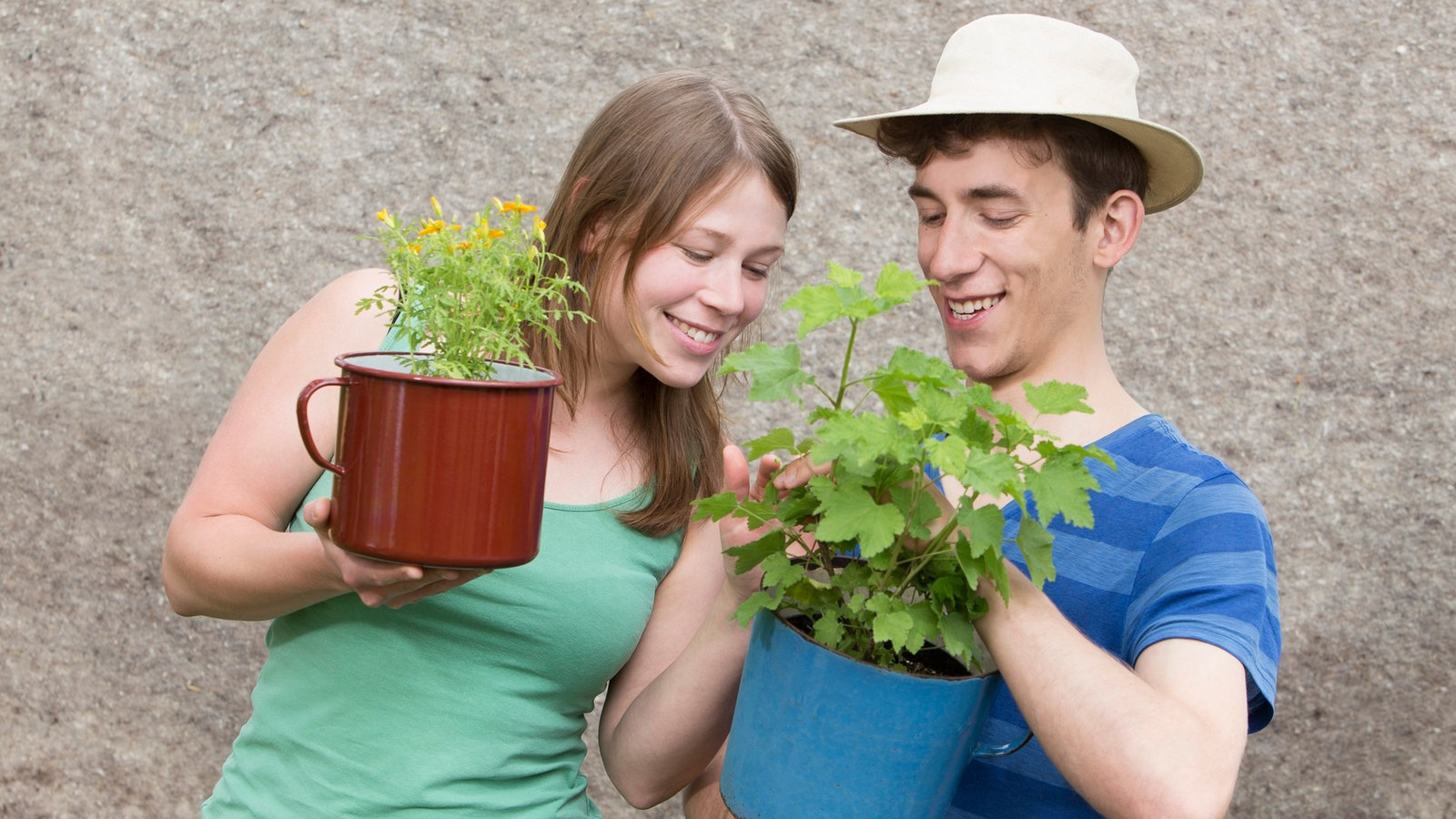
Germany's WDR public broadcaster reports a growing movement toward plant-exchange fairs (Pflanzentauschbörsen) as a cost-effective and environmentally conscious alternative to garden centre shopping. These community-based exchanges allow gardeners to swap plants for their balconies, windowsills, and gardens—offering both affordability and sustainability.
Indoor Plant Care Education Becomes Major Retail Driver
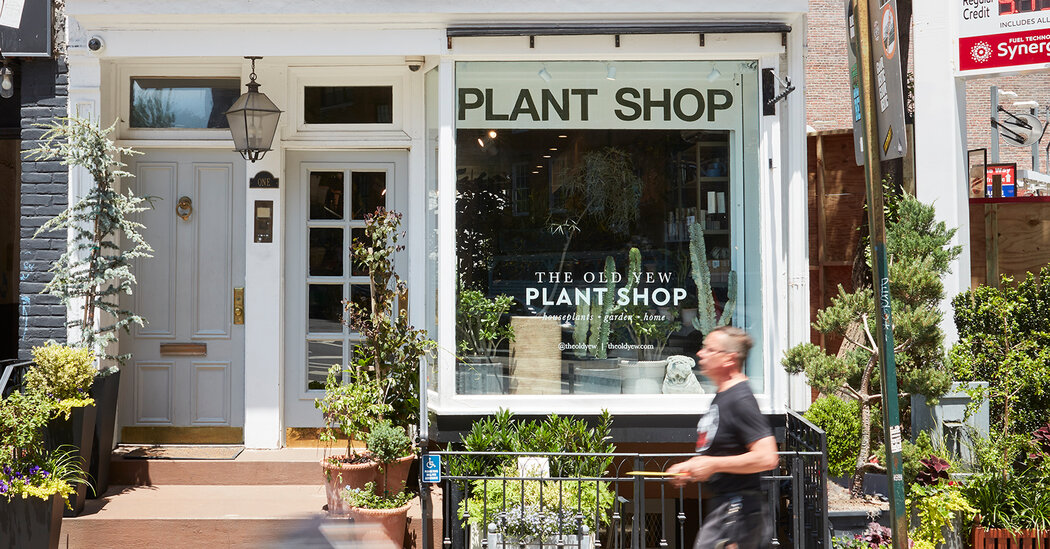
New York City plant retailers report that education is now the core of their business model. Plant-shop owners emphasize that advising customers on proper indoor plant care—watering schedules, light requirements, and humidity—is as important as the sale itself, reflecting a shift toward long-term customer relationships over quick transactions.
Fruit-Bearing Houseplants Demand High Light Intensity for Productive Harvests
Recent plant-science research confirms that fruiting houseplants such as tomatoes and peppers require 400–800 µmol m⁻² s⁻¹ of light intensity and a photoperiod of 12–16 hours to support fruit set. These thresholds are significantly higher than what typical indoor environments provide, making supplemental grow lights essential for balcony gardeners aiming to produce edible crops.
Local view
Germany (WDR public broadcast): Plant-exchange markets are expanding as a sustainable, low-cost alternative to purchasing from garden centres. These community fairs address both environmental concerns and budget constraints among hobby gardeners.
Netherlands (Bloemenkrant): Garden cyclamen growers are targeting autumn retail intensively, positioning the crop as essential for balcony and terrace décor across the Benelux region.
United States (New York Times): Manhattan plant retailers emphasize customer education as the cornerstone of their business, reflecting a maturation of the houseplant market beyond impulse purchases.
Context & numbers
Royal FloraHolland Market Snapshot (H1 2026):
- Revenue down 1.2% year-over-year
- Units sold down 0.8% year-over-year
- Flower prices fell 0.9%
- Plant prices rose 0.6% (the sole bright spot, signalling demand resilience in houseplants and garden plants)
Mother's Day 2026 Trading (Royal FloraHolland, May 4–6):
- 154 million flowers traded (2025: 155 million)
- Approximately 26 million houseplants and garden plants traded
On the radar
- Autumn peak season: Garden centres expect sustained traffic through September–October driven by both record heat recovery demand and autumn-specific plantings (cyclamen, chrysanthemum, ornamental cabbage).
- Grow-light adoption: As fruit-bearing houseplant demand grows among balcony gardeners, retail sales of supplemental lighting fixtures are likely to accelerate into 2027.
- Royal FloraHolland EDI transition: The auction house completed its shift away from legacy EDI pricing services on 1 September 2026; growers now rely entirely on newer digital platforms for real-time pricing data.
Note: Data coverage period: 13–19 September 2026. This article draws exclusively from sources published or updated within the past 7 days.
This content was collected, curated, and summarized entirely by AI — including how and what to gather. It may contain inaccuracies. Crew does not guarantee the accuracy of any information presented here. Always verify facts on your own before acting on them. Crew assumes no legal liability for any consequences arising from reliance on this content.
Powered by
