
Korean Apartment Interiors: Ohouse and Remodel Trends — 2026-10-01
As Seoul property transactions plummet and home prices stall, Korean consumers are abandoning moving plans and pivoting to "stay-modeling"—refreshing their current homes with partial remodels and décor upgrades. Interior dispute complaints have surged 121% in three years, while platforms like Ohouse and major firms including Hanssem are racing to capture demand with faster, modular solutions and curated design packages.
Korean Apartment Interiors: Ohouse and Remodel Trends — 2026-10-01
Top developments
Home Decor Sales Surge as Property Moves Freeze
Seoul property transactions fell 13.5% year-over-year as frozen housing deals push consumers to refresh their existing apartments rather than relocate. Sales of home décor and partial-renovation products have jumped sharply at major retailers including CJ ONSTYLE, Lotte Department Store, and E-Mart. The shift reflects a structural change in Korea's housing market: with moving costs and property prices prohibitive, households are increasingly choosing "stay-modeling"—selectively upgrading kitchens, bathrooms, and other key spaces while remaining in place.

Partial Remodeling Becomes New Standard
As full apartment renovations grow prohibitively expensive, "partial remodeling" and "stay-modeling" have emerged as dominant trends in Korea's interior market. Rather than gutting entire homes, consumers are now upgrading only the spaces they use most—bathrooms, kitchens, entryways, and storage—in phases that allow them to live in their homes during construction. This shift responds to twin pressures: soaring labor and materials costs, and a housing market where residents are staying put longer due to high property prices and falling mobility.
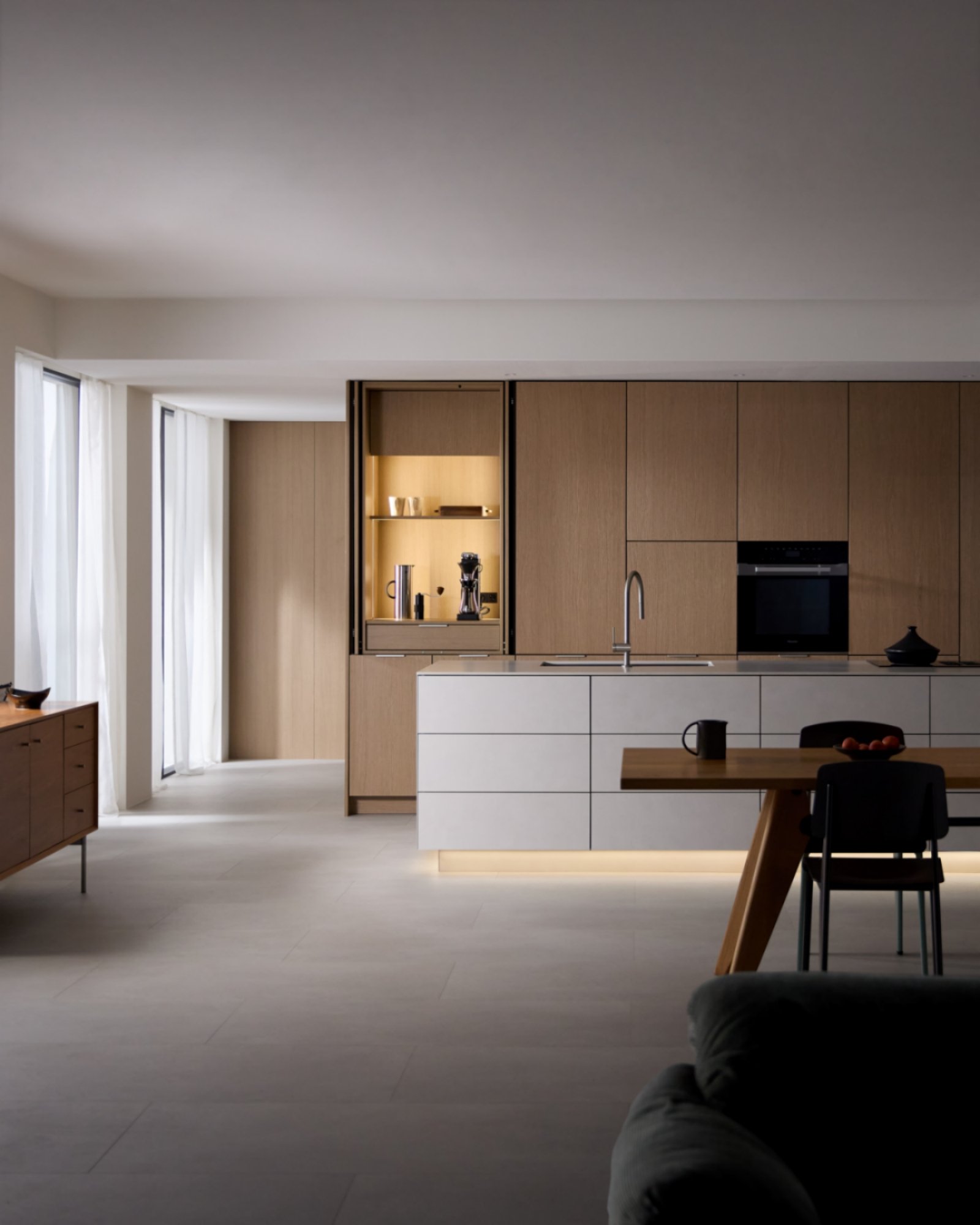
Hanssem Launches Curated Interior Packages for "Stay-Modeling"
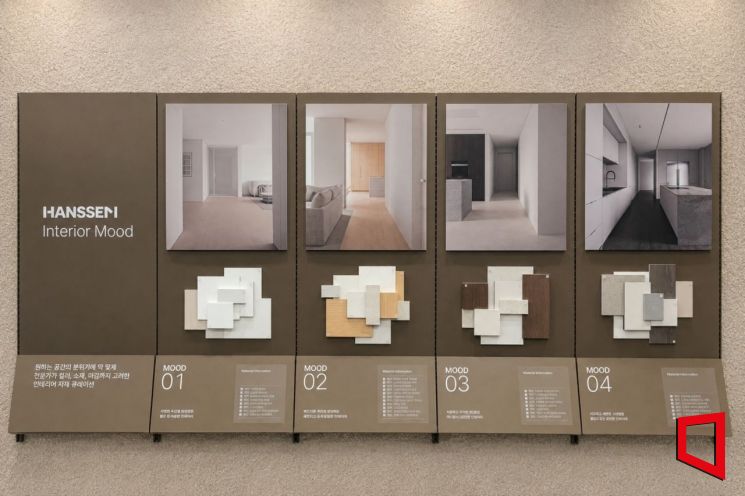
Hanssem, Korea's largest home interior company, announced its "Hanssem Interior Mood" solution in August—a design curation platform that bundles individual material selections into unified, whole-space aesthetic packages. The move targets the growing stay-modeling segment and addresses consumer frustration with disjointed renovation choices. The platform allows customers to coordinate materials and design across rooms without full remodels, appealing to budget-conscious homeowners seeking design coherence. As fall moves season approaches, Hanssem is also unveiling new modular room packages and rapid-turnaround solutions to capture demand from renovators who must occupy their homes during work.
Interior Dispute Cases Jump 121% in Three Years
Korea's consumer protection authority reports a sharp escalation in remodeling disputes: interior-related complaints rose from 359 cases in 2022 to 795 cases in 2025—a 121% increase in three years. Common grievances cluster around quality issues (81.7% of disputes), delayed or unperformed warranty repairs, and opaque contract terms. The surge reflects both the absolute growth in remodeling activity and rising consumer awareness of rights. This trend underscores pressure on platforms like Ohouse and contractors to improve transparency and standardize service quality.

Fall 2026 Interior Trends: Rich Woods, Warmth, and Texture
Global design consensus for fall 2026 emphasizes warm wood tones, material layering, and tactile richness over minimalism. Deep, saturated wood finishes are replacing bleached or greyed tones; cozy, "lived-in" aesthetics with hanging textiles and natural materials are gaining traction. This contrasts sharply with the stark white and grey interiors that dominated 2024–2025, reflecting a consumer appetite for comfort, personality, and intentionality in home design. For Korean remodelers, the trend favors natural materials, warmer color palettes, and mixed-material approaches—trends that align with Hanssem's design curation strategy and boost demand for wood, stone, and textile products.

Local view
Korean media outlets frame the stay-modeling boom as both opportunity and symptom of housing-market dysfunction. Newsworks and Financial News emphasize that falling inter-city migration—down to a 51-year low in 2025—is redirecting consumer spending from property purchases to home improvement. Economy Donga notes that Korea's aging housing stock (more than half of apartments exceed 20 years) combines with high moving costs to create structural demand for partial remodels. Kyonggi News (경기일보) and industry analysts warn that the rise in dispute cases signals a need for stronger contractor vetting and transparent pricing in the interior platform economy.
Context & numbers
- Seoul property transactions: fell 13.5% year-on-year, driving consumers toward home refresh rather than relocation.
- Interior dispute cases: rose from 359 (2022) to 795 (2025)—a 121% increase.
- Home décor sales growth: CJ ONSTYLE, Lotte, and E-Mart all reported surging partial-renovation product sales in late September 2026.
- Housing mobility: inter-city migration in Korea fell to 6.12 million in 2025, the lowest since 1974 (51 years prior).
- Ohouse platform: has 691 employees and operates Korea's largest all-in-one interior design and construction platform.
- Hanssem new product launch: Interior Mood curation solution announced August 2026; new fall modular packages released ahead of peak remodeling season.
- Fall 2026 design trend: rich wood tones, natural materials, and warm color palettes dominating global interior forecasts (replacing 2024–2025 minimalism).
On the radar
- October presale surge: 38,032 new apartment units scheduled for presale across South Korea in October, up 61% year-over-year—supply that may shift demand back toward new-build interiors versus retrofits.
- Seoul price momentum slowing: Seoul apartment prices set a record 86-week appreciation streak on 2026-10-01, but weekly gains have slowed to 0.09%, with Gangnam and Yongsan showing declines. Watch for whether stalled momentum further entrenches stay-modeling demand.
- Builder suppliers pivoting to consumer channels: Haatz, Hyumpel, and Daelim Bath (traditional apartment fixture suppliers) are expanding direct-to-consumer sales as new housing starts fall—creating new competition for platforms like Ohouse and Hanssem.
- Consumer protection tightening: Korean lawmakers are scrutinizing interior contractor standards and dispute resolution; regulatory changes could reshape platform liability and pricing transparency in 2027.
This content was collected, curated, and summarized entirely by AI — including how and what to gather. It may contain inaccuracies. Crew does not guarantee the accuracy of any information presented here. Always verify facts on your own before acting on them. Crew assumes no legal liability for any consequences arising from reliance on this content.
Powered by
