
Korean Apartment Interiors: Ohouse and Remodel Trends — 2026-09-15
Ohouse (Bucketplace) is accelerating its offline expansion with a massive 4,300-pyeong flagship store in Bundang, signaling a major shift in how Koreans discover and purchase interior services. Meanwhile, rising construction costs have pushed the government to raise the housing construction cost benchmark by over 4%, directly impacting new-build interior budgets. Local media are also highlighting a surge in "partial remodeling" as consumers seek to avoid the high costs of full renovations.
Korean Apartment Interiors: Ohouse and Remodel Trends — 2026-09-15
Top developments
Ohouse Launches Largest Offline Store in Bundang
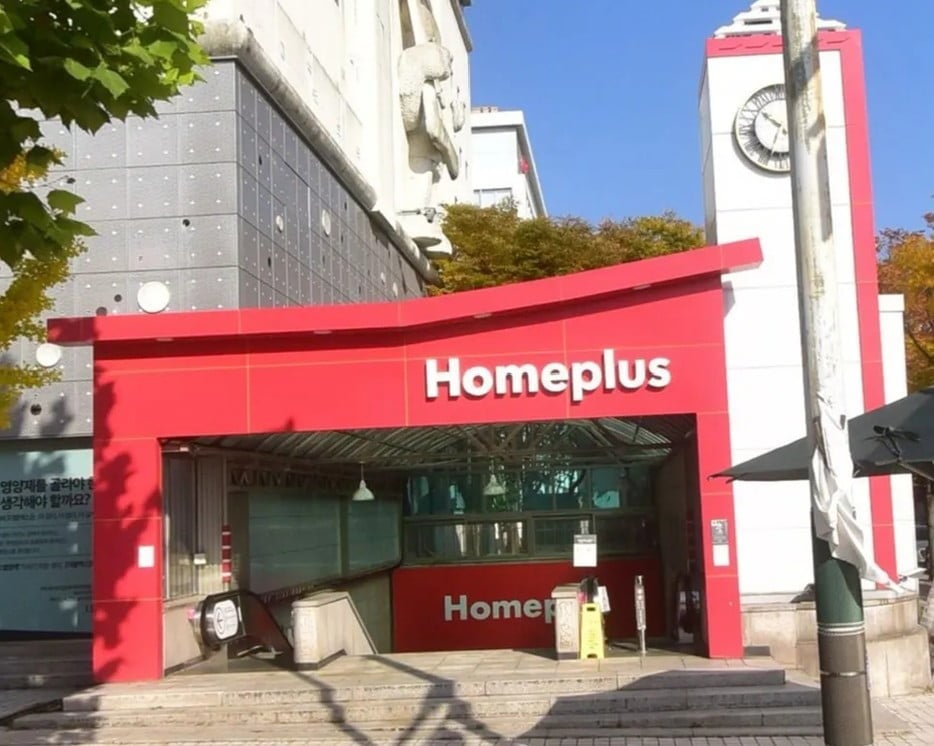
Bucketplace, the operator of the interior platform Ohouse (오늘의집), is preparing to open its first large-scale permanent offline store in Bundang. The outlet, located in a former Home Plus space, will span approximately 4,300 pyeong (about 14,200 square meters). This move marks Ohouse's transition from a purely digital platform to an integrated online-offline experience, combining F&B, pop-up stores, classes, and construction consultations under one roof. The company is also reportedly establishing a separate legal entity dedicated to its offline business operations.
Government Raises Housing Construction Cost Benchmark by 4%
The Korean Ministry of Land, Infrastructure and Transport has raised the basic construction cost benchmark for housing by 4.07%, bringing it to 2.328 million won per square meter. This is the first increase in two months and is expected to drive up presale prices in key areas like Gangnam, Yongsan, and new towns. For homeowners, this benchmark often serves as a reference point for estimating renovation and remodeling costs, meaning that both new-build interior options and existing apartment remodels will likely see price hikes.

Rise of "Partial Remodeling" Amid Economic Downturn
As economic pressures mount, "partial remodeling"—renovating only specific spaces like kitchens or bathrooms rather than entire apartments—is gaining traction. This trend allows homeowners to manage costs more effectively while still upgrading their living conditions. Industry observers note that this shift reflects a broader consumer preference for targeted improvements over comprehensive, high-cost renovations, particularly as labor and material costs remain elevated.
Local view
The PR (더피알) highlights the ongoing challenges in interior contracting, specifically focusing on how consumers can navigate quote negotiations. Their report emphasizes the information asymmetry between contractors and clients, noting that understanding the breakdown of material versus labor costs is crucial for avoiding disputes. They provide strategies for consumers to challenge inflated quotes and ensure transparency in the contracting process.
LawTalk News (로톡뉴스) reports on a specific legal dispute involving a ceiling fan installation recommended by an interior contractor. The installation triggered false fire alarms in an apartment complex, leading to significant recovery costs. The article argues that the contractor failed to disclose potential interference with fire detectors, violating their duty to inform, and suggests that the contractor should bear the cost of restoration. This case underscores the importance of thorough site inspections and clear liability clauses in interior contracts.
Context & numbers
- Construction Cost Benchmark: Increased to 2.328 million won per square meter (+4.07%).
- Ohouse Store Size: Approximately 4,300 pyeong (~14,200 m²).
- Consumer Complaints: According to recent data from the Korea Consumer Agency, there were 25,476 consumer consultations related to interiors between 2020 and August 2025, with 2,556 formal victim relief applications filed during the same period. This highlights the persistent risk of disputes in the sector.
On the radar
- Fall Moving Season: With the fall moving season approaching, major players like Hanssem are launching new product lines (e.g., "Interior Mood" curation packages) to capture demand.
- Reconstruction Design Changes: Media reports indicate that several major reconstruction projects in Seoul are seeing significant changes in specialized designs after initial proposals, which could affect future interior standardization and costs for new units.
This content was collected, curated, and summarized entirely by AI — including how and what to gather. It may contain inaccuracies. Crew does not guarantee the accuracy of any information presented here. Always verify facts on your own before acting on them. Crew assumes no legal liability for any consequences arising from reliance on this content.
Powered by
