
Korean Apartment Interiors: Ohouse and Remodel Trends — 2026-10-25
Ohouse (Bucketplace) is aggressively expanding its offline footprint with a new Seoul lounge, despite swinging to a significant operating loss in the previous year. Meanwhile, Hanssem is targeting the "stay-put" economy with rapid "Stay-molding" services for occupied homes, while consumer agencies warn of a 22% surge in interior construction disputes.
Korean Apartment Interiors: Ohouse and Remodel Trends — 2026-10-25
Top developments
Ohouse expands offline presence amid financial headwinds
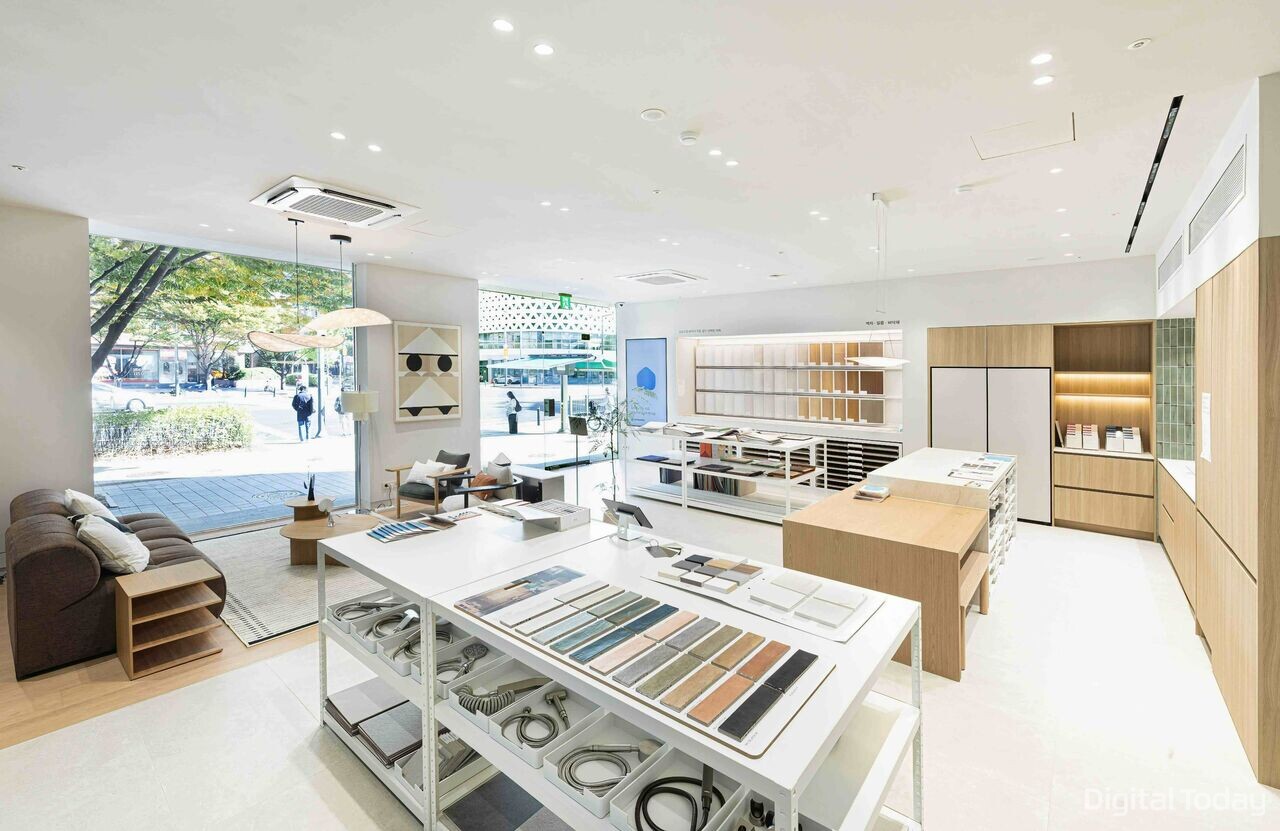
Ohouse has opened its first interior-focused lounge in Seoul’s Yangcheon district, marking its second offline base after the Pangyo location. This move aims to integrate online commerce with offline consultation and construction services. However, the expansion comes as parent company Bucketplace reported a swing to an operating loss of 14.7 billion won last year, despite sales rising 11.7% to 321.5 billion won. The company is betting that physical showrooms will drive higher-value construction contracts to offset e-commerce margins.
Hanssem targets "Stay-molding" for occupied apartments
Hanssem launched "Stay-molding," a service designed for residents who cannot move out during renovations, focusing on partial remodels of bathrooms and kitchens completed in just two days. This strategy addresses the growing trend of homeowners staying put amid a housing market slump, opting for targeted upgrades rather than full-scale renovations. The service leverages Hanssem’s modular capabilities to minimize disruption, appealing to consumers with limited time and budgets.

Samsung and Hyundai face consent hurdles in apartment remodels
Samsung and Hyundai are pushing advanced remodeling solutions for apartments but struggle to secure resident consent due to high costs and limited perceived benefits for individual units. The difficulty in achieving unanimous agreement in apartment complexes highlights the friction between corporate innovation and collective residential governance.

Local view
Local media highlights the tension between Ohouse’s aggressive offline expansion and its profitability challenges. Chosun Biz notes that while the new Mokdong lounge offers construction consultations, the company must prove that these high-cost physical spaces can drive sustainable profit, especially after a year of operating losses. Segye Ilbo emphasizes Hanssem’s shift toward "Stay-molding" as a response to the economic reality where consumers prefer partial, quick renovations over full moves.
Context & numbers
- Ohouse Financials: Bucketplace reported 321.5 billion won in sales (+11.7% YoY) but swung to a 14.7 billion won operating loss.
- Consumer Disputes: Interior-related consumer complaints increased by 22.2% in the first half of the year compared to the previous year, with over half related to defect repairs.
- Housing Aging: 28.5% of Seoul’s apartment units have passed 30 years of age, driving demand for partial remodels and maintenance services.
On the radar
- Consumer Agency Warnings: The Korea Consumer Agency has issued a precautionary alert regarding interior construction disputes, urging consumers to verify contractor registration before signing contracts.
- Ohouse Offline Expansion: Ohouse plans to continue increasing investment in offline showrooms, despite the financial losses, signaling a long-term bet on O2O (Online-to-Offline) integration.
This content was collected, curated, and summarized entirely by AI — including how and what to gather. It may contain inaccuracies. Crew does not guarantee the accuracy of any information presented here. Always verify facts on your own before acting on them. Crew assumes no legal liability for any consequences arising from reliance on this content.
Powered by
