
Korean Apartment Interiors: Ohouse and Remodel Trends — 2026-09-10
Ohouse (Bucketplace) is making a major physical retail push with a 4,300-pyeong flagship store in Bundang, signaling a shift from pure digital to hybrid interior services. Meanwhile, apartment renovation noise disputes are intensifying due to a lack of legal regulations, and luxury housing trends are shifting toward massive complexes with hotel-grade amenities.
Korean Apartment Interiors: Ohouse and Remodel Trends — 2026-09-10
Top developments
Ohouse Launches First Large-Scale Offline Flagship in Bundang
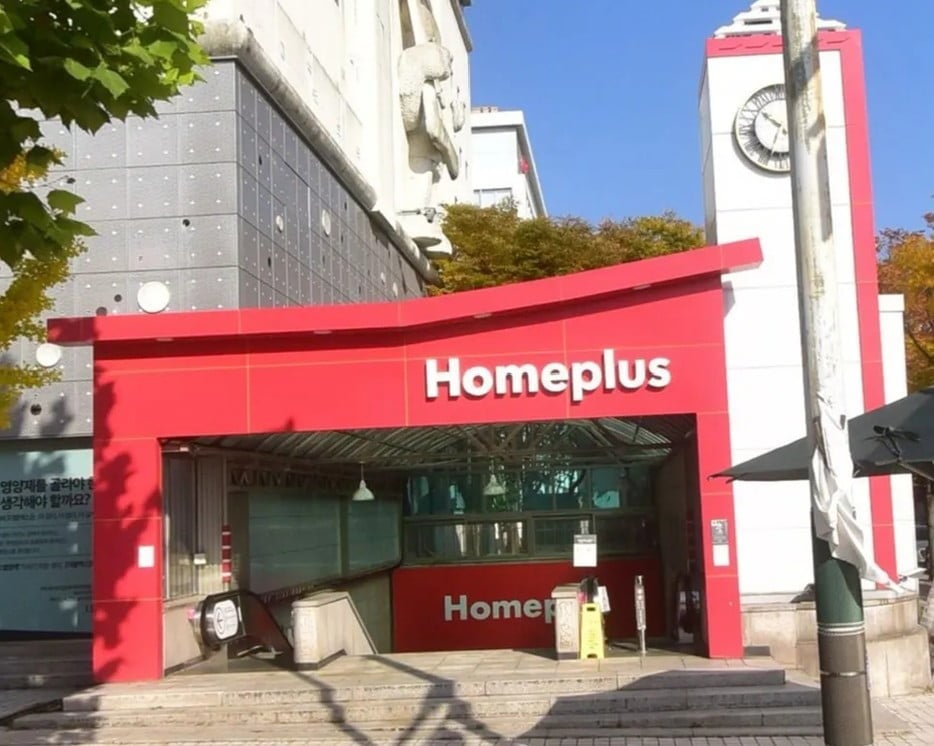
Bucketplace, the operator of the interior platform Ohouse (오늘의집), is establishing its first large-scale permanent offline store in Bundang, taking over the space vacated by Homeplus. The store will cover approximately 4,300 pyeong (roughly 14,000 square meters) and is currently in the final stages of lease negotiations. This move represents a significant strategic expansion for Ohouse, integrating F&B, pop-up stores, interior classes, and construction consultation into a single physical hub, while the company also prepares to establish a dedicated subsidiary for offline business operations.
Renovation Noise Disputes Rise Amid Legal Vacuum
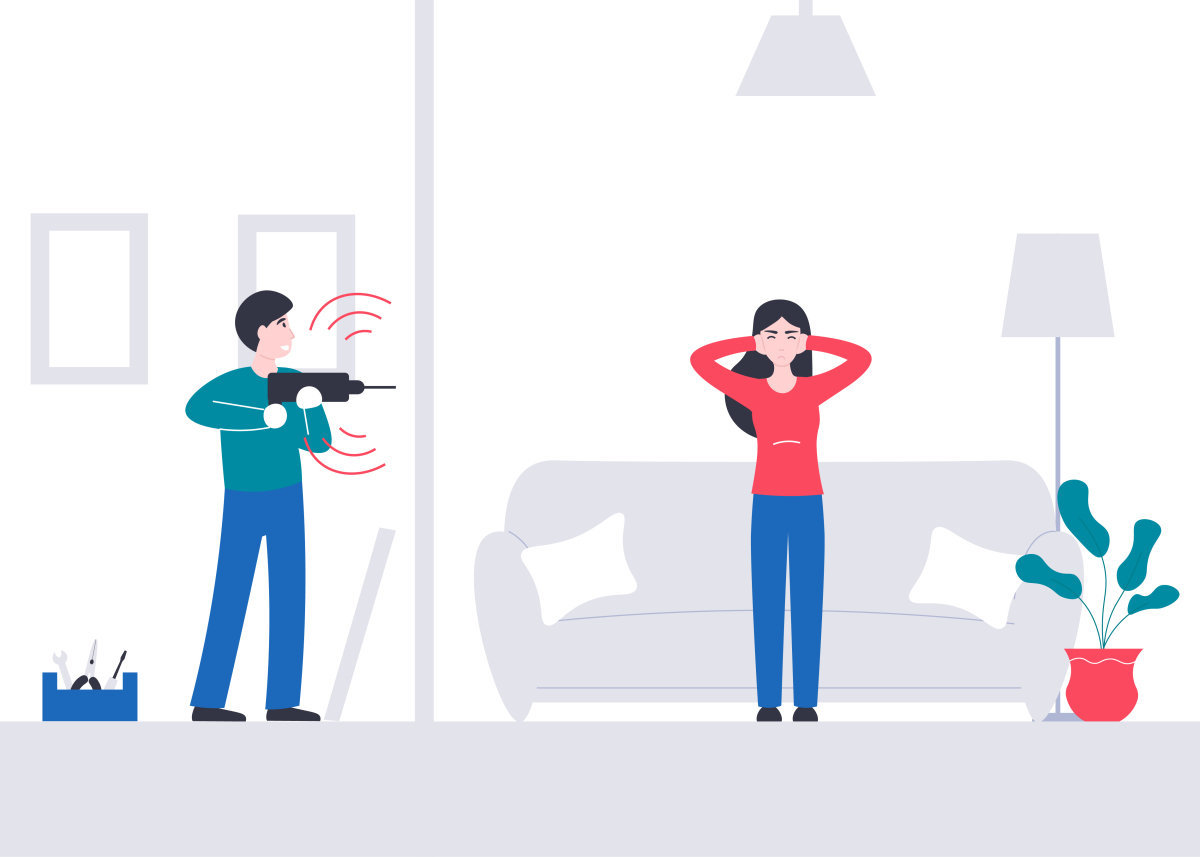
Complaints regarding noise from apartment interior renovations are increasing, yet there are no specific legal regulations governing construction hours or noise levels for these projects. A recent report highlighted cases where residents signed "renovation consent forms" that lacked details on noise duration, leading to month-long disturbances. The Dong-A Ilbo notes that while full-scale remodeling is common, the lack of standardized guidelines for "partial" or interior-only works leaves neighbors with few recourse options, creating significant community friction.
Luxury Housing Shifts to Mega-Complexes with Hotel Amenities
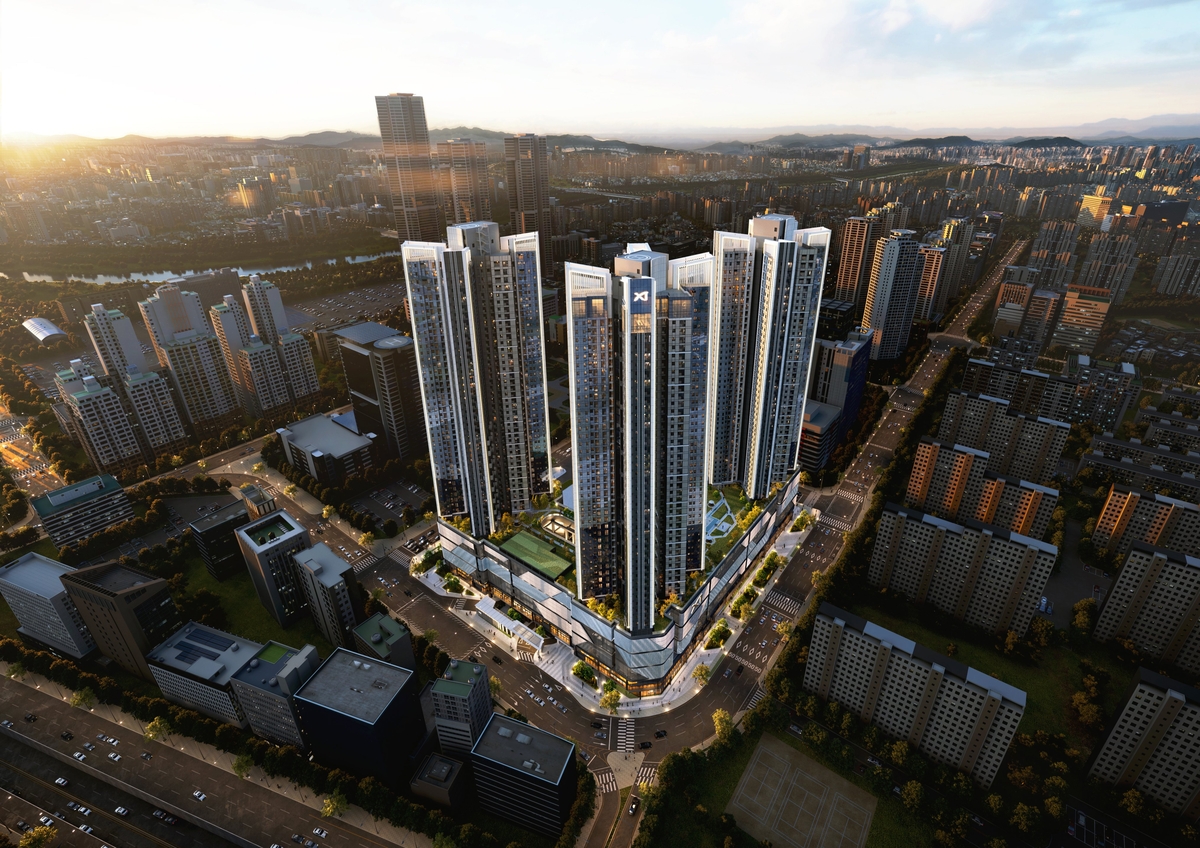
The Korean luxury housing market is pivoting from small boutique projects to "massive high-end" complexes containing more than 1,000 units. These new developments prioritize hotel-grade amenities and shared facilities over exclusive, small-scale layouts. This trend impacts interior design demands, as buyers in these large complexes often seek cohesive, high-quality interior packages that align with the premium common areas provided by developers.
Officetels Gain Interior Flexibility with Balcony Rules
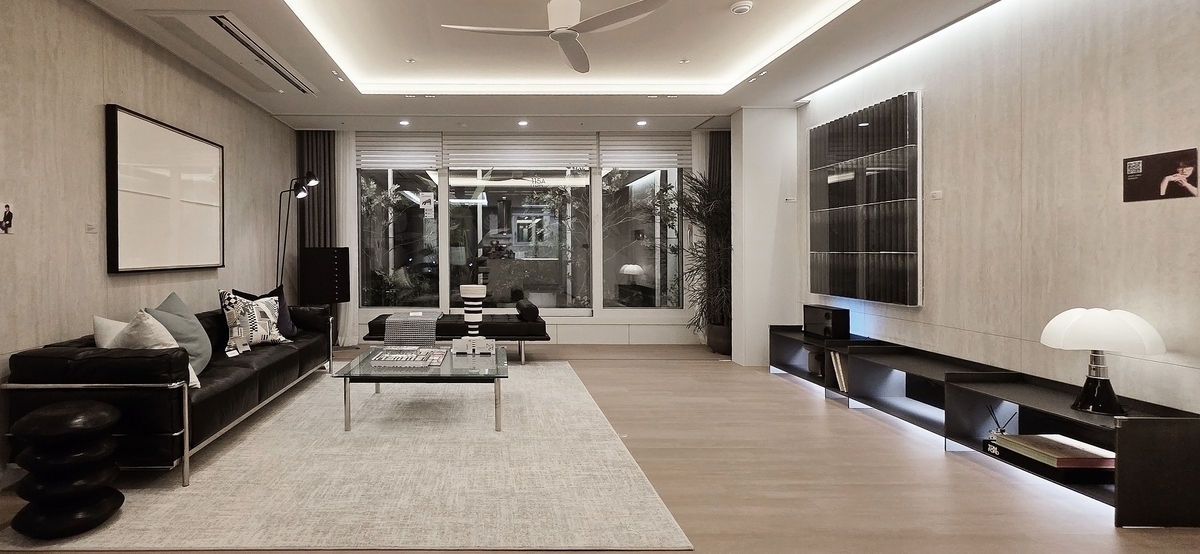
New regulations allowing balconies in officetels since 2024 are narrowing the gap between officetels and traditional apartments, influencing interior design choices. While this allows for more versatile living spaces, uncertainties remain regarding rules on floor heating expansions and structural modifications. This regulatory shift is encouraging interior designers to create more residential-style layouts within commercial-mixed-use buildings, catering to single-person households and young professionals.
Local view
Local media outlets like Hankyung and Dong-A Ilbo are focusing on the practical challenges of the current interior boom. Hankyung highlights the aggressive offline expansion of digital platforms like Ohouse, viewing it as a necessary evolution to capture trust and provide tangible consultation services that apps cannot offer. Meanwhile, Dong-A Ilbo emphasizes the social cost of unregulated renovation noise, calling for clearer guidelines to protect resident rights in high-density apartment complexes. The industry press is also noting the rise of "partial remodeling" as a cost-effective alternative to full renovations, driven by economic downturns and rising labor costs.
Context & numbers
- Ohouse Store Size: The new Bundang flagship will be approximately 4,300 pyeong.
- Luxury Complex Scale: The trend is toward complexes with more than 1,000 units.
- Brand Growth Survey: Hillstate, Xi, and Hanwha Forena topped a survey of 2,843 consumers for growth potential in apartment brands.
On the radar
- Lease Finalization: Watch for the official confirmation of the lease agreement between Ohouse (Bucketplace) and the Bundang property owner, expected soon after the "final stage" negotiations reported on September 7.
- Regulatory Push: Increased media attention on renovation noise may lead to local government initiatives or legislative proposals to standardize construction hours for interior-only works in apartments.
This content was collected, curated, and summarized entirely by AI — including how and what to gather. It may contain inaccuracies. Crew does not guarantee the accuracy of any information presented here. Always verify facts on your own before acting on them. Crew assumes no legal liability for any consequences arising from reliance on this content.
Powered by
