
Korean Apartment Interiors: Ohouse and Remodel Trends — 2026-09-05
A new legislative push is underway to formalize consumer protections for apartment interior renovations, addressing rising disputes over noise and construction quality. Meanwhile, the pipeline for new housing supply remains robust, with over 425,000 units due by mid-2028, driving sustained demand for interior finishing services.
Korean Apartment Interiors: Ohouse and Remodel Trends — 2026-09-05
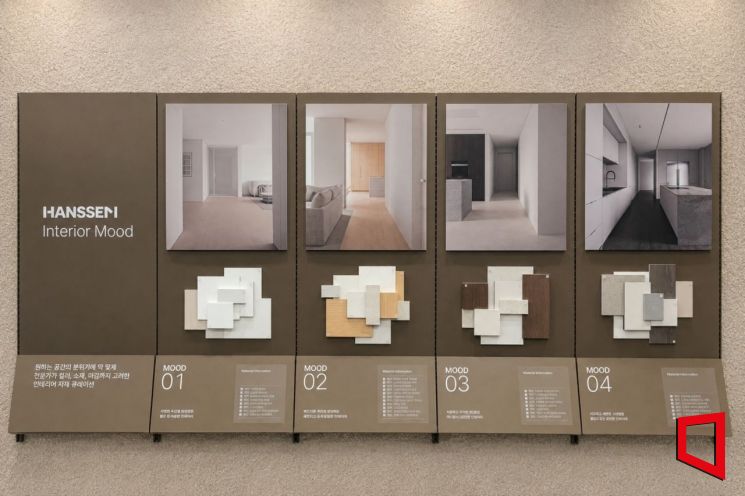
Legislative Push for Interior Consumer Protection
On September 3, 2026, the Korea Construction Industry Research Institute (KOSCA) published a column in The Korea Specialty Construction Newspaper urging the institutionalization of consumer protections for interior construction. As redevelopment and remodeling become daily topics in Korea, the article highlights that interior work is no longer just for specific demographics but a necessity for aging housing stock. The push comes amid increasing complaints about opaque costs and poor after-sales service, calling for standardized contracts and clearer liability definitions for contractors.
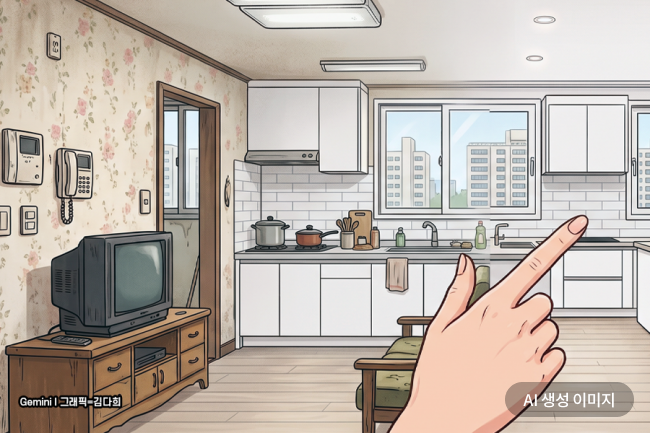
Rising Noise Conflicts in Apartment Complexes
Local media reported on September 5 that conflicts over interior construction noise are escalating in Seoul-area apartments, with no specific laws currently regulating renovation hours or noise levels. A case study from Seongnam highlighted a resident who suffered month-long morning disturbances after signing a generic "construction consent form" that lacked specific time restrictions. This gap in regulation is fueling neighbor-to-neighbor disputes and calls for stricter management rules within apartment complexes.
Massive New Housing Supply Pipeline
The demand for interior services is supported by a significant wave of new apartments coming to market. A report from August 31, 2026, by Seoul Economic Daily noted that approximately 425,412 new apartment units are scheduled for completion across South Korea through mid-2028. Notably, 56.7% of these units are concentrated in the greater Seoul area, which will likely sustain high volume for interior contractors and platform-based service providers like Ohouse in the coming years.
Local view
The Korea Specialty Construction Newspaper (Korean: 대한전문건설신문) is actively framing the lack of legal frameworks for interior renovation as a critical industry issue. The outlet argues that as "remodeling" shifts from a luxury to a standard maintenance activity for aging apartments, the current self-regulatory model is failing consumers. Local stakeholders are calling for the government to intervene with standard contract forms and mandatory dispute resolution mechanisms to reduce the burden on individual homeowners.
Context & numbers
- New Supply: 425,412 new apartment units expected by mid-2028; 56.7% in the Seoul metropolitan area.
- September Supply: 22,704 new apartments offered in September 2026, a 15% year-over-year increase, with 60% located in the capital region.
- Dispute Volume: While specific fresh dispute statistics for late 2026 were not released this week, recent industry commentary notes that interior-related consumer complaints have been consistently high, with previous data showing over 25,000 consultations between 2020 and 2025.
On the radar
- Legislative Watch: Monitor the National Assembly for any bills introduced following the KOSCA report on interior consumer protection.
- Fall Moving Season: The influx of new units in September and October typically triggers peak demand for "partial remodeling" and quick-fix interior services, potentially straining contractor availability.
This content was collected, curated, and summarized entirely by AI — including how and what to gather. It may contain inaccuracies. Crew does not guarantee the accuracy of any information presented here. Always verify facts on your own before acting on them. Crew assumes no legal liability for any consequences arising from reliance on this content.
Powered by
