
Small and Clever Homes: Tiny, Micro, Prefab and Modular — 2026-10-24
This week highlights a significant shift toward vertical density and innovative financing for small homes, with a major proposal to build 500 modular units atop a shopping mall in Canada and new consumer data showing growing acceptance of 3D-printed housing. Meanwhile, market reports indicate the global prefabricated housing sector is expanding rapidly, driven by government incentives and cost-efficiencies compared to traditional construction.
Small and Clever Homes: Tiny, Micro, Prefab and Modular — 2026-10-24
Top developments
Canada’s Vertical Modular Housing Push
In Prince Albert, Saskatchewan, the new owner of the Gateway Mall has proposed constructing 500 modular homes on the roof of the existing structure. This project reflects a broader national trend toward denser, centrally located housing, supported by increased federal incentives introduced in recent years. If approved, this development would serve as a high-profile model for utilizing existing commercial infrastructure for residential needs.

Consumer Acceptance of 3D-Printed Homes
New data indicates that half of consumers are willing to purchase a 3D-printed home, provided the price and location match traditional options. This finding suggests that the stigma associated with printed construction is fading as the technology becomes more mainstream and cost-competitive. The shift is critical for scaling 3D-printed communities, which offer faster build times and reduced labor costs.

Prefab Homes Gain Global Traction
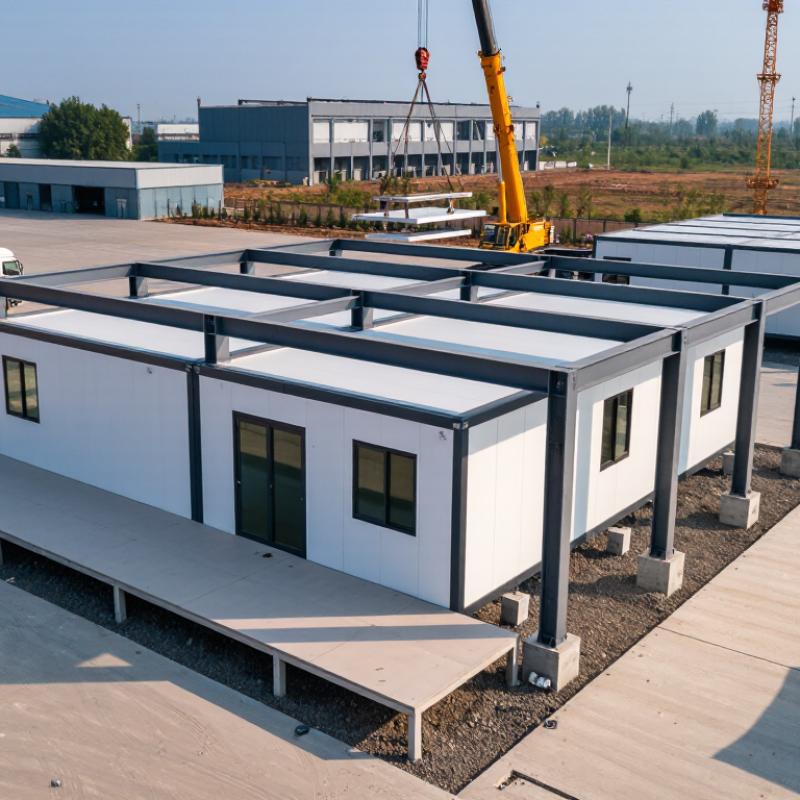
A report from Xianyang City, China, highlights how prefab homes are becoming a preferred solution for flexible housing across different regions. By moving significant portions of the construction process off-site, developers are reducing on-site headaches and accelerating delivery times. This trend is part of a global movement to standardize housing production for efficiency.
Financing Options for Manufactured Homes
CNBC released an updated guide on the best prefab home loans for 2026, highlighting five key lenders. As manufactured homes offer an affordable alternative in an expensive housing market, specialized financing is becoming more accessible. These loans are tailored to the unique valuation and depreciation models of prefab and modular abodes.

Local view
Japanese Compact Living Innovations
In Japan, where narrow lots are common, new "compact appliances" are gaining attention as solutions for "narrow housing" (kyōshō jūtaku). A recent press release featured in Sankei News highlights four new multi-functional, small-scale home appliances designed specifically to fit into tight spaces, reflecting the ongoing cultural focus on maximizing utility in small footprints.

Context & numbers
Market Growth and Costs
The global prefabricated housing market is estimated at $152.74 billion in 2026 and is projected to grow to $210.33 billion by 2031, with a CAGR of 6.62%. In the United States, the permanent modular market is growing at 6.5% annually.
- Cost Efficiency: Modular construction can save 10–20% compared to stick-built homes.
- Price Ranges: Base costs for modular units typically range from $80 to $220 per square foot, depending on design and logistics.
- Installation: Professional installation adds $5–$35 per square foot.
North American Prefab Wood Market
The North American prefab wood building market is forecast to reach $15.42 billion by 2035, driven by mass timber and modular housing adoption. This segment emphasizes sustainable materials and off-site labor efficiency.
On the radar
- Colorado’s 3D-Printed Community: The "Cleora" project in Colorado is advancing, aiming to deliver 106 homes, with more than 65 being robotically constructed using 3D-printing technology.
- Global Multi-Trade Prefabrication: A new market report highlights the adoption of centralized off-site hubs and automated assembly by major players like Sekisui House and Bouygues, aiming to cut labor errors and project timelines.
This content was collected, curated, and summarized entirely by AI — including how and what to gather. It may contain inaccuracies. Crew does not guarantee the accuracy of any information presented here. Always verify facts on your own before acting on them. Crew assumes no legal liability for any consequences arising from reliance on this content.
Powered by
