
Small and Clever Homes: Tiny, Micro, Prefab and Modular — 2026-09-10
This week highlights a significant milestone in 3D-printed housing with the completion of Europe’s largest project in Denmark, which successfully undercut state-subsidized housing cost caps. Simultaneously, the Australian prefab sector is mobilizing through a new industry contract to address manufacturing barriers, while Japan reports its first increase in prefabricated housing starts in three years.
Small and Clever Homes: Tiny, Micro, Prefab and Modular — 2026-09-10
Top developments
Denmark’s 3D-Printed Student Housing Undercuts Cost Caps
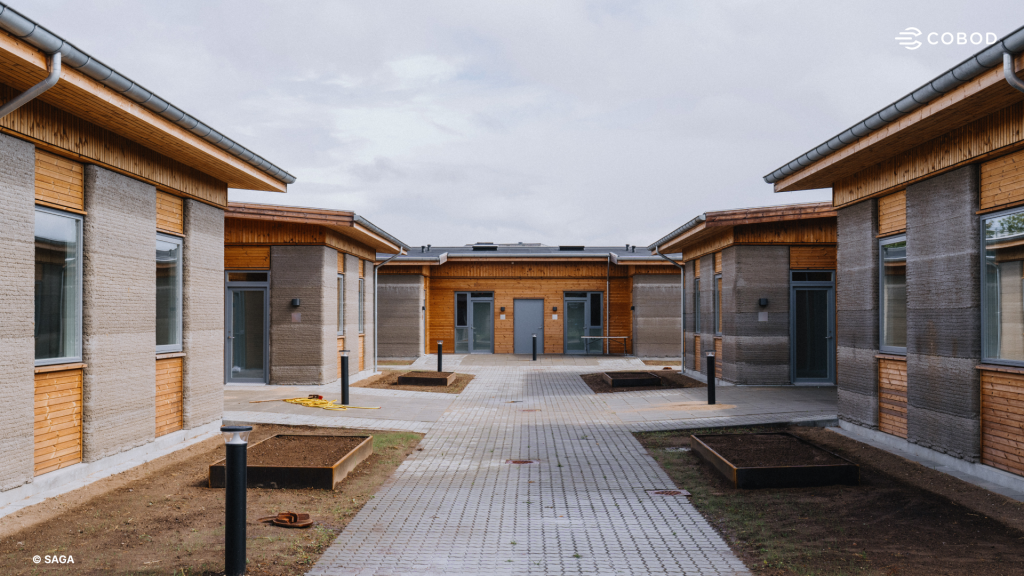
In early September 2026, construction firm 3DCP Group completed "Skovsporet" (The Forest Trail) in Holstebro, Denmark, marking the completion of Europe’s largest 3D-printed housing project. The development consists of 36 self-contained student apartments totaling 1,650 square meters, printed using COBOD’s BOD3 printer. Crucially, the project was delivered below Denmark’s strict subsidized housing cost cap, demonstrating that additive manufacturing can now compete financially with traditional social housing models without sacrificing design quality or speed
PrefabAUS Launches Contract to Fix Factory-Built Housing Barriers
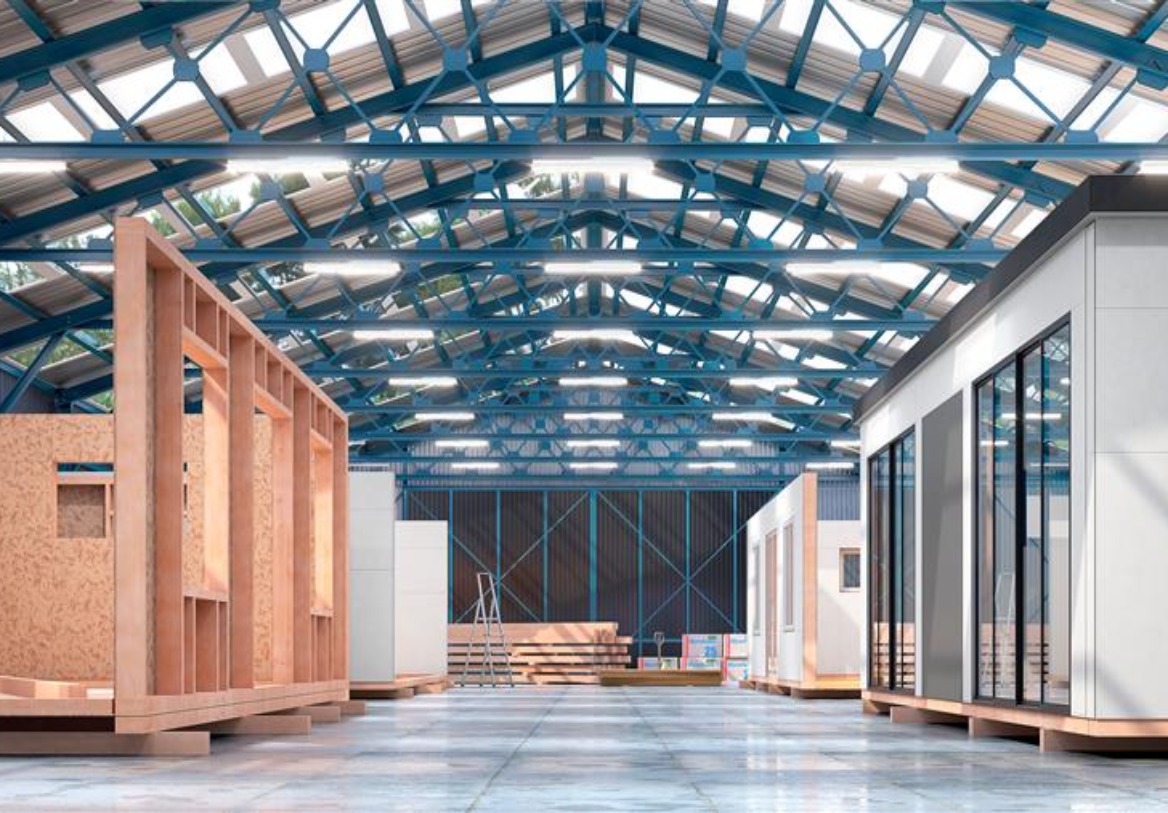
On September 8, 2026, the Australian Modular Housing Association (PrefabAUS) announced a new industry-wide contract aimed at resolving persistent manufacturing and financing bottlenecks for factory-built homes. The initiative seeks to standardize processes and improve financing access for modular builders across Australia. This move comes as modular construction shifts from a niche alternative to a mainstream contender in the Australian market, where labor shortages and climate conditions favor offsite production
Japan Sees First Rise in Prefab Starts in Three Years
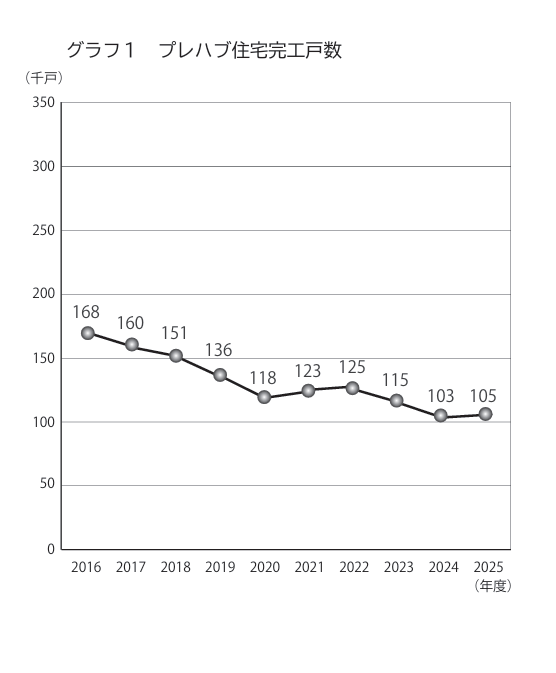
Japanese industry data released on September 8, 2026, indicates that prefabricated housing starts rose to 105,000 units, marking the first annual increase in three years. This uptick is driven largely by a more than 40% surge in supply for mid-to-high-rise joint housing units. The data suggests a stabilization in the Japanese prefab market after a period of decline, potentially signaling renewed confidence in factory-built multi-family structures
ICON Expands "Modes of Habitation" Beyond Affordable Housing
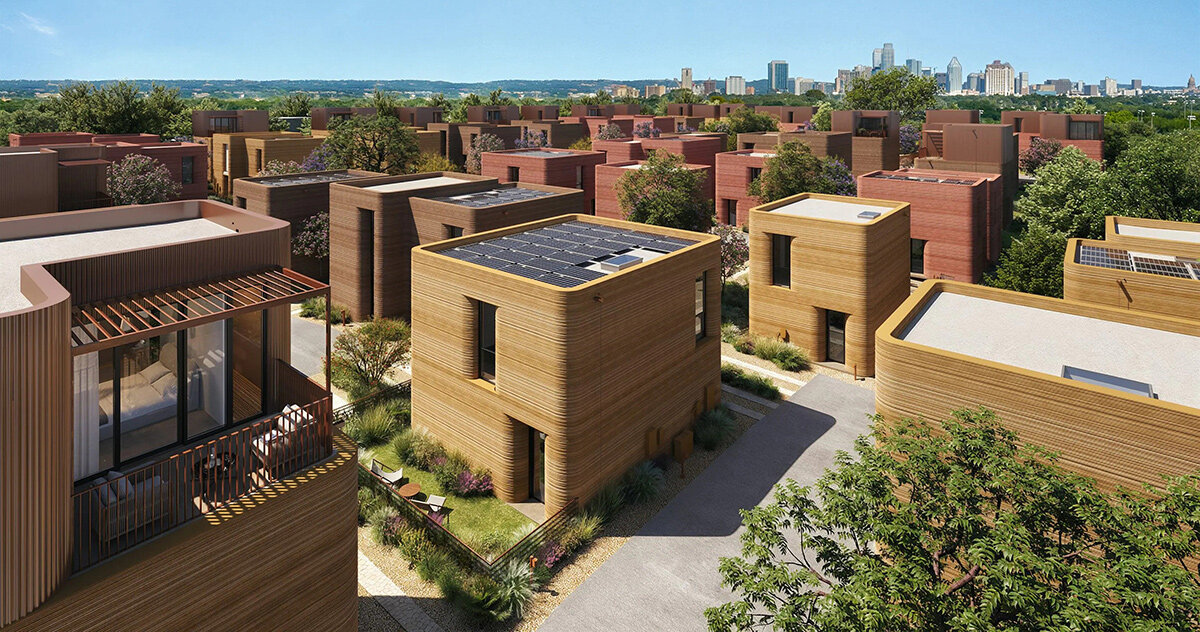
Designboom reported on September 1, 2026 (within the recent news cycle context), that ICON is utilizing its large-scale 3D-printing system to build not just affordable communities but also private homes and desert retreats. This expansion demonstrates the versatility of their construction system, moving beyond the initial narrative of purely low-cost solutionism to encompass high-design, bespoke micro-living spaces. The ability to print radically different architectural forms with one system reduces the marginal cost of design innovation for small-footprint homes
Local view
In Japan, the trade publication Housing & Building (Sohjusha) highlighted the statistical reversal in prefab housing starts, noting that the growth was specifically concentrated in mid-to-high-rise joint housing. This local perspective underscores that in dense urban markets like Japan, "small and clever" is increasingly defined by vertical, multi-unit prefab solutions rather than just single-family ADUs or tiny houses.
Context & numbers
- Modular Pricing: In 2026, the average installed cost for modular homes in the US remains between $160,000 and $320,000, or $80 to $160 per square foot. This represents a 10–20% savings compared to traditional stick-built construction.
- 3D Printing Market: A new report from September 8, 2026, projects the global 3D printing in construction market to reach USD 410.75 billion by 2036, driven by automation and waste reduction mandates.
- Danish Efficiency: The Skovsporet project in Denmark covered 1,650 m² with 36 units, averaging approximately 45.8 m² per unit, while staying under government-subsidized cost caps.
On the radar
- MICROHOME 2026 Deadline: The Kingspan MICROHOME 2026 international architecture competition, offering a €100,000 prize for innovative micro-home designs, closes on September 30, 2026. Entries are still being accepted.
- Australian Market Shifts: Following the sudden closure of a Perth-based modular manufacturer in late August, watch for consolidation trends in the Australian factory-built housing sector as PrefabAUS attempts to stabilize the market with new contracts.
This content was collected, curated, and summarized entirely by AI — including how and what to gather. It may contain inaccuracies. Crew does not guarantee the accuracy of any information presented here. Always verify facts on your own before acting on them. Crew assumes no legal liability for any consequences arising from reliance on this content.
Powered by
