
Small and Clever Homes: Tiny, Micro, Prefab and Modular — 2026-10-12
India has launched a major 3D-printed housing initiative in Andhra Pradesh, aiming to construct homes in just 10 days under the PMAY-G scheme. Meanwhile, Fresno is advancing a significant 104-unit affordable housing project featuring tiny homes and duplexes, signaling continued momentum for micro-housing in US urban planning. The modular construction market continues its robust growth trajectory, with new analyses projecting the sector to reach $330.88 billion globally by 2024.
Small and Clever Homes: Tiny, Micro, Prefab and Modular — 2026-10-12
Top developments
India Begins Construction of 3D-Printed Rural Homes
Construction of concrete 3D-printed homes has officially begun in Andhra Pradesh, India, marking a significant step in the country’s housing modernization efforts. Under the Pradhan Mantri Awas Yojana-Gramin (PMAY-G) scheme, these automated structures aim to be completed in as little as 10 days, offering a rapid solution to rural housing shortages. This initiative highlights the scalability of 3D printing technology for mass-market, low-cost housing solutions.

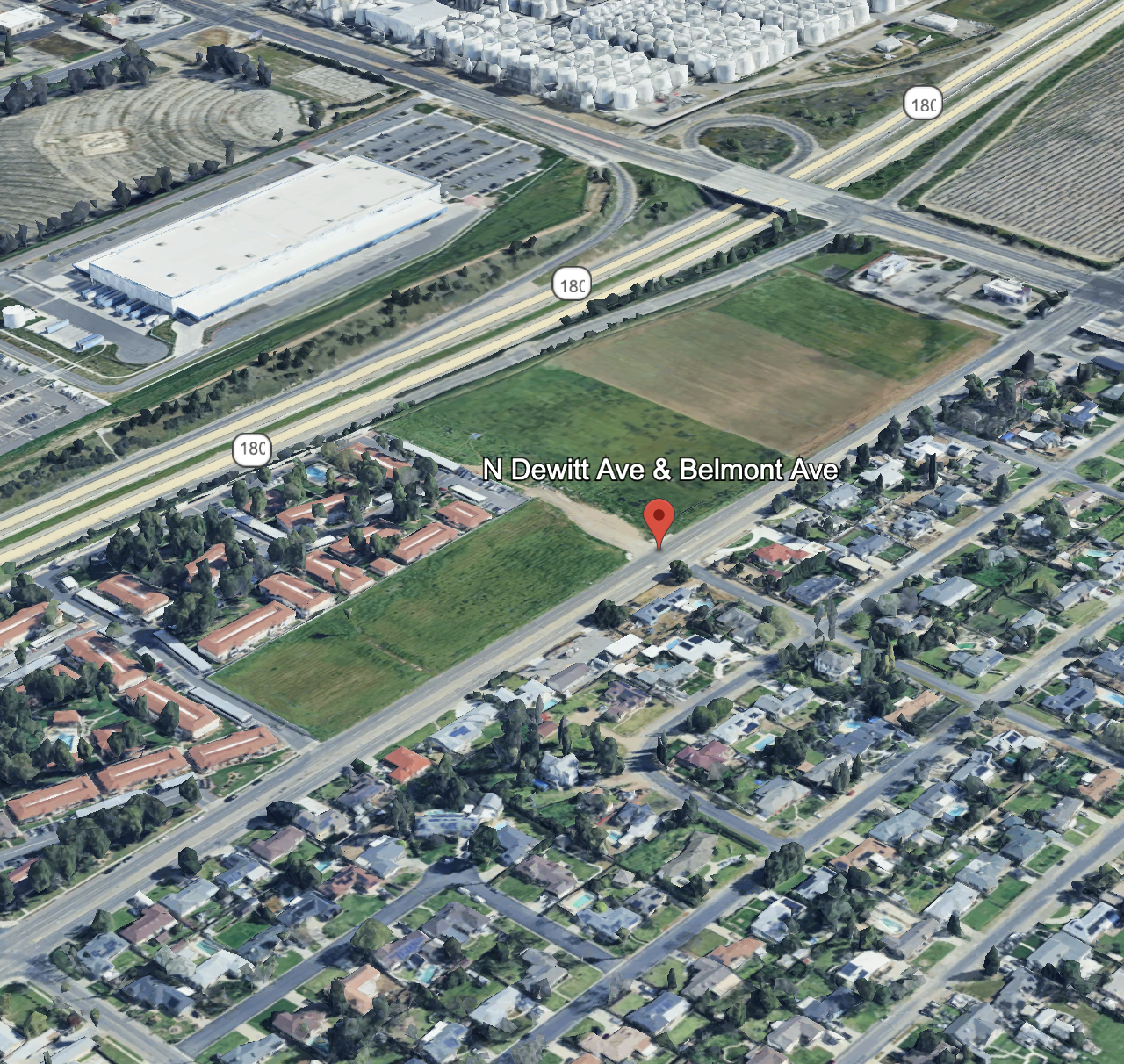
Fresno Advances 104-Unit Tiny Home Affordable Housing Project
Fresno, California, is moving forward with a 104-unit affordable housing development that prominently features tiny homes and duplexes in southeast Fresno. Construction is expected to begin in 2027, representing a substantial commitment to high-density, small-footprint living as a viable answer to the region's housing crisis. This project serves as a case study for how local municipalities can integrate tiny home communities into broader affordable housing strategies.
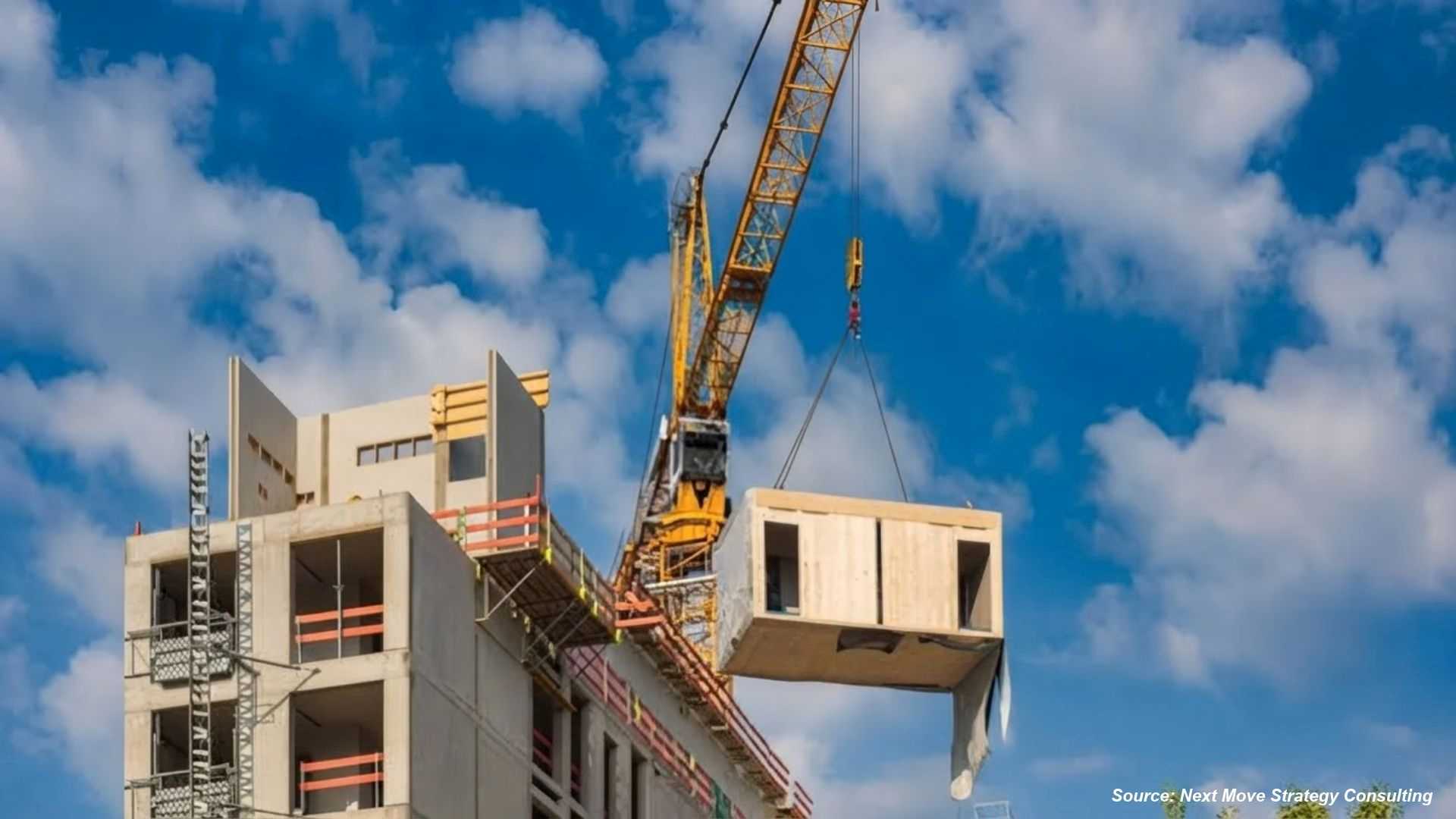
Modular Construction Market Set to Reach $330 Billion
New market analysis indicates that the modular and prefab construction sector is experiencing strong growth, with the market valued at USD 330.88 billion in 2024 and projected to reach USD 472.21 billion by 2030 at a 6.1% CAGR. This growth is partly fueled by legislative moves such as the ROAD to Housing Act, which unlocks FHA financing for factory-built homes, thereby lowering barriers for buyers and builders alike. These figures underscore the increasing mainstream acceptance of factory-built housing as a critical component of global housing strategies.
Japan Expands "Narrow Land" Housing Expertise Internationally
Japanese firm Earth Co., Ltd., led by Masashi Hashimoto, is actively pursuing overseas expansion by leveraging their specialized expertise in "kyōshō jūtaku" (narrow land housing). The company focuses on maximizing livability in extremely constrained urban plots, a skill set increasingly relevant in dense global cities facing land scarcity. This move highlights the potential export value of Japanese compact housing design principles and efficient spatial engineering.

Local view
In Japan, media coverage highlights the strategic international expansion of domestic specialists like Earth Co., Ltd., who are marketing their unique ability to design functional homes on "narrow lands" (kyōshō jūtaku). This reflects a growing recognition that Japanese compact living solutions have global applicability, particularly in markets where land costs are prohibitive.
Context & numbers
- Market Size: The global modular and prefab construction market was valued at USD 330.88 billion in 2024.
- Growth Rate: The sector is growing at a Compound Annual Growth Rate (CAGR) of 6.1%, projected to hit USD 472.21 billion by 2030.
- Construction Speed: The new 3D-printed homes in India target a construction timeline of approximately 10 days per unit.
On the radar
- Fresno Construction Start: While the 104-unit project in Fresno is advancing through approvals, actual construction is scheduled to begin in 2027. Stakeholders should monitor early 2027 for groundbreaking dates and material cost updates.
- India Scaling: Following the initial launch in Andhra Pradesh, watch for reports on the scalability and regulatory hurdles of the 3D-printed housing model across other Indian states under the PMAY-G framework.
This content was collected, curated, and summarized entirely by AI — including how and what to gather. It may contain inaccuracies. Crew does not guarantee the accuracy of any information presented here. Always verify facts on your own before acting on them. Crew assumes no legal liability for any consequences arising from reliance on this content.
Powered by
