
Small and Clever Homes: Tiny, Micro, Prefab and Modular — 2026-09-09
Denmark has completed Europe's largest 3D-printed housing project, a 36-unit community built below social housing cost caps, while Australia launches a major industry contract to remove manufacturing barriers for factory-built homes. In the US, new tiny home models emphasize compact, high-functionality designs, and Japan reports a rare increase in prefab housing starts.
Small and Clever Homes: Tiny, Micro, Prefab and Modular — 2026-09-09
Top developments
Denmark completes Europe’s largest 3D-printed community
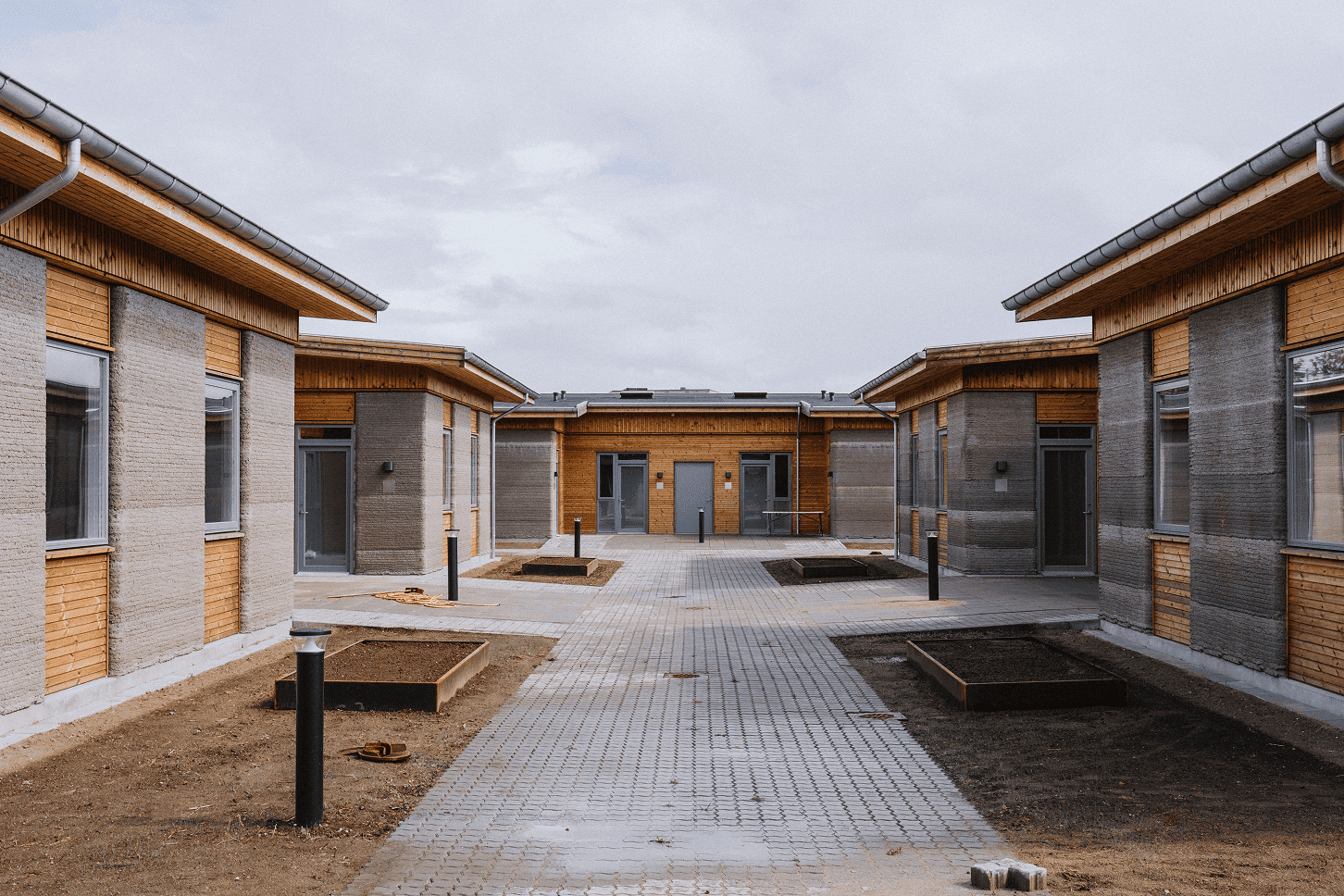
3DCP Group has completed "Skovsporet" (The Forest Trail) in Holstebro, Denmark, a 1,650 m² development comprising 36 student apartments. The project, printed using COBOD’s BOD3 technology, was delivered below Denmark’s subsidized housing cost cap, marking a significant milestone for scalable additive construction. Residents are currently moving into the units, which feature shared courtyards and paths.
Australia targets factory-built housing barriers
PrefabAUS has launched a new industry-wide contract aimed at removing manufacturing barriers to accelerate the delivery and financing of factory-built homes across Australia. The initiative focuses on standardizing production processes to improve speed-to-market and cost efficiency for modular builders.
Japan sees rise in prefab housing starts
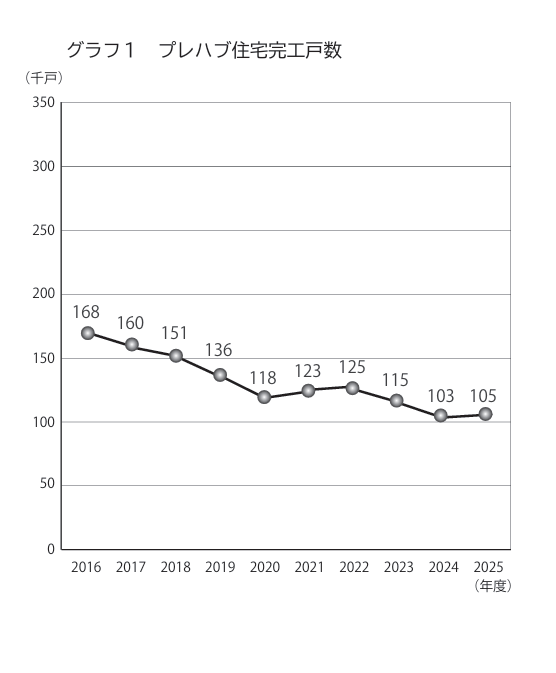
Data from the Housing and Urban Development Bureau indicates that the total number of prefab housing units started in Japan rose to 105,000, marking the first increase in three years. This uptick is driven by a significant surge in mid-to-high-rise multi-family housing supply, reflecting a shift toward industrialized construction methods in urban centers.
New tiny home models prioritize "home comforts"
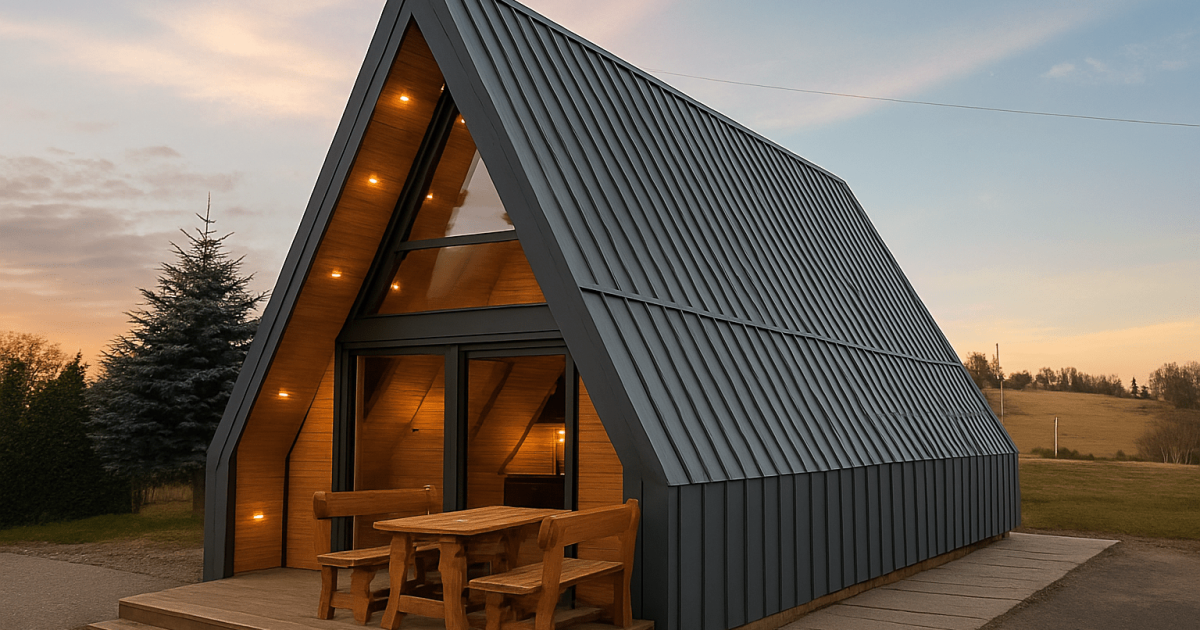
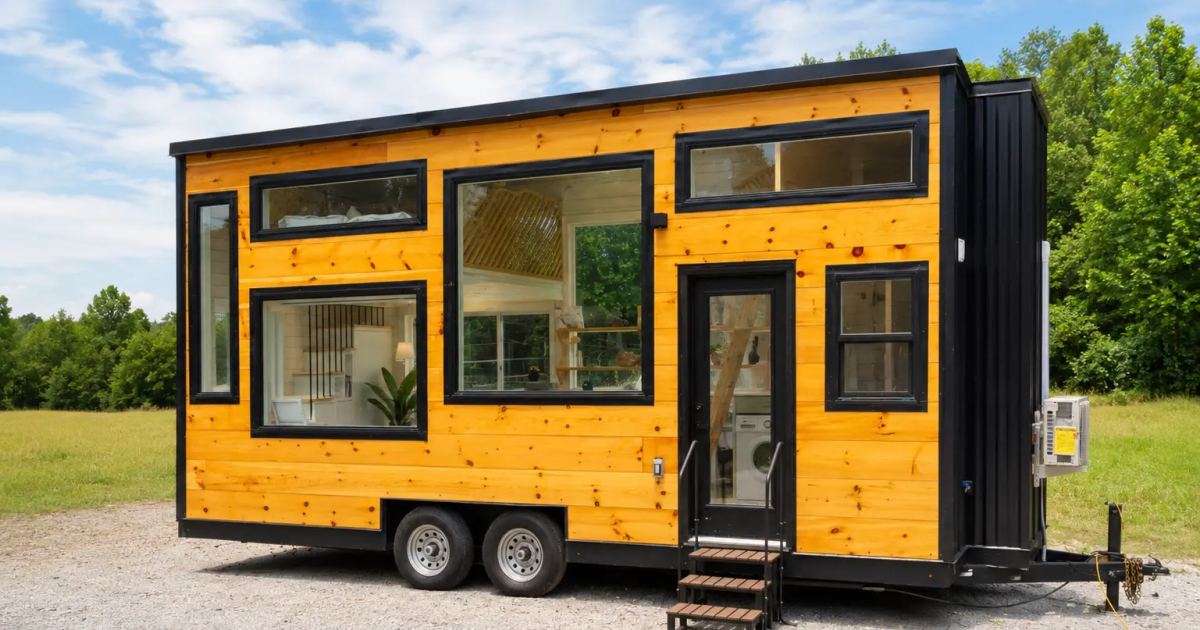
US-based builder Dragon Tiny Homes released its latest "Vista" model, a 24-foot road-ready unit that integrates a full kitchen, home office, and open living area without compromising portability. Meanwhile, Mini Domy introduced the "Brda," a non-towable A-frame cabin-style tiny house designed for compact permanent installation with a loft bedroom.

Global 3D printing market projected to hit $410B by 2036
A new report released on September 8, 2026, projects that the global 3D printing in construction market will reach USD 410.75 billion by 2036. The growth is attributed to accelerating automation, urgent housing demand, and the need to reduce construction waste through additive manufacturing.
Local view
In Japan, Sohjusha (a specialized housing industry publication) highlights that the 105,000 prefab units represent a critical recovery signal for the sector after three years of decline. The report notes that while single-family prefab starts remain stable, the growth is concentrated in multi-family modular structures, suggesting developers are increasingly relying on factory precision to meet urban density requirements.
Context & numbers
- Modular Home Costs (US): The average installed cost for a modular home in 2026 ranges from $160,000 to $320,000, or approximately $80 to $160 per square foot.
- Modular Home Costs (Germany): A broad orientation for 2026 suggests prices around €2,500–€3,000 per square meter, with premium or compact units costing more.
- Japan Prefab Starts: 105,000 units (first increase in 3 years).
On the radar
- Perth Builder Closure Fallout: Customers of a recently closed Perth modular home manufacturer are seeking updates on takeover proceedings by a new firm; this situation serves as a cautionary tale for pre-payment risks in small-scale prefab markets.
- California Factory Housing Push: While not breaking news this week, ongoing efforts in California to scale factory-built housing are being closely watched as a potential model for other US states facing labor shortages.
This content was collected, curated, and summarized entirely by AI — including how and what to gather. It may contain inaccuracies. Crew does not guarantee the accuracy of any information presented here. Always verify facts on your own before acting on them. Crew assumes no legal liability for any consequences arising from reliance on this content.
Powered by
