
Small and Clever Homes: Tiny, Micro, Prefab and Modular — 2026-10-04
India launches its first 3D concrete printing pilot for rural homes; Amazon sells a two-bedroom tiny home for under $21,000; and global modular construction markets project $161 billion growth by 2030. Zoning reforms and financing innovations are accelerating factory-built housing adoption across North America and beyond.
Small and Clever Homes: Tiny, Micro, Prefab and Modular — 2026-10-04
Top developments
India selects Guntur for 3D-printed rural housing pilot under PMAY-G
Andhra Pradesh has been selected for India's first national pilot project to build rural homes using 3D Concrete Printing (3DCP) under the Pradhan Mantri Awaas Yojana-Gramin (PMAY-G) scheme. The initiative will construct 177 units across two districts, with Guntur district hosting the primary project. The pilot has a total outlay of ₹13.93 crore (approximately $1.68 million USD), with the Ministry of Rural Development contributing ₹9.44 crore and the State government ₹4.49 crore. This marks a significant step toward automating low-cost housing for rural communities, addressing scalability challenges while exploring regulatory frameworks for 3D-printed construction.

Amazon launches $21,000 expandable two-bedroom tiny home
Amazon is now selling a Generic Expandable Folding Tiny Home for under $21,000, featuring two bedrooms, a kitchen, living room, 12 large windows, and an open customizable floor plan. This ultra-affordable option targets first-time buyers and downsizers seeking rapid deployment and turnkey solutions. The price point underscores growing consumer demand for sub-$25,000 entry-level tiny homes and reflects competition between e-commerce platforms and traditional prefab manufacturers.
%3Amax_bytes(150000)%3Astrip_icc()%3Afocal(2999x0%3A3001x2)%2Fpeo-cabin-style-tiny-home-tout-beaafd5747ad4a2d93e39f9eea8e2ffc.jpg)
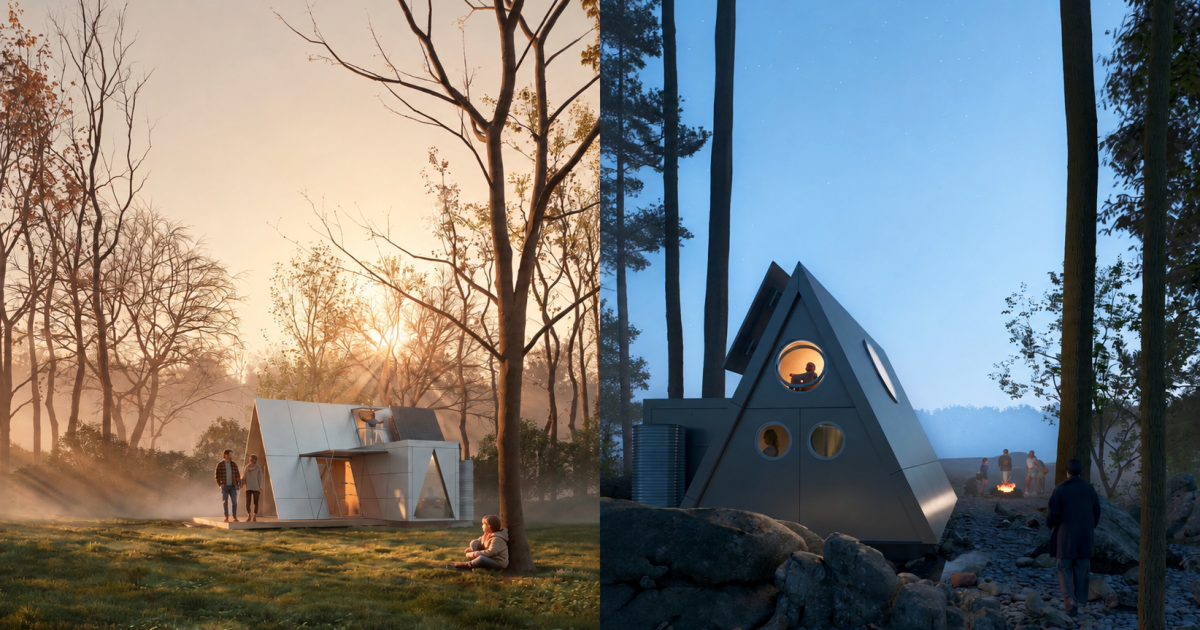
Atelier Lune wins 2026 Red Dot Design Award for tent-like micro home
Atelier Lune's innovative tent-like micro home, which unfolds into an off-grid A-frame using a folding shell and modular add-ons, has been awarded the 2026 Red Dot Design Award. The design can be deployed in just a few hours, combining compact portability with flexible living space and demonstrating the growing intersection of design innovation and practical tiny home solutions.

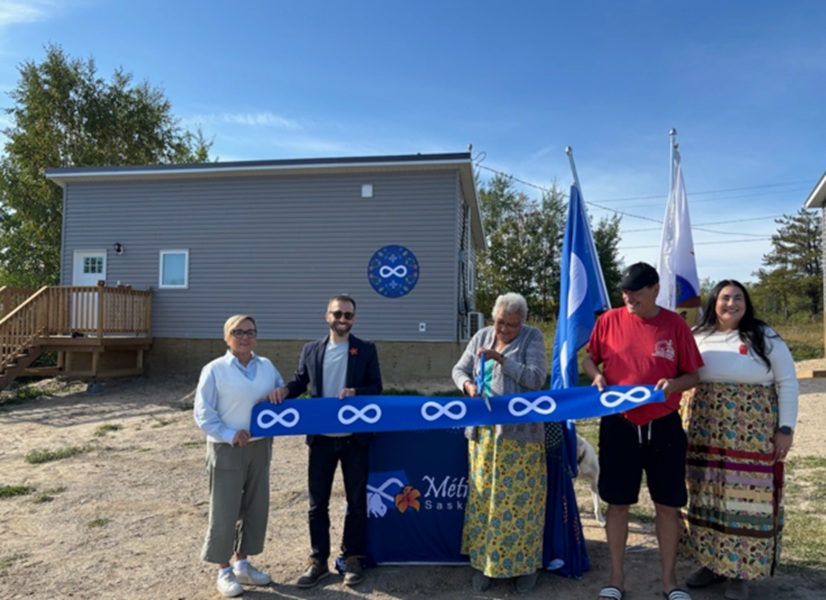
Northern Saskatchewan deploys 12 affordable tiny homes
The Province of Saskatchewan is increasing access to affordable housing in northern regions with the construction of 12 new tiny homes, part of a broader provincial strategy to address housing shortages in underserved areas. The project demonstrates municipal-level adoption of prefab and modular solutions as a policy tool for rapid deployment.
Global modular construction market projects $161 billion by 2030
The global modular construction market is projected to reach $161.02 billion by 2030, driven by factory-built housing's proven cost-efficiency, faster build timelines, and reduced on-site labor demands. The market expansion reflects growing institutional and policy support for off-site manufacturing across North America, Europe, and Asia-Pacific regions.
Context & numbers
Pricing & affordability: Modular homes in 2026 average $80–$160 per square foot for the factory-built structure, with total installed costs ranging from $120,000 to $270,000 depending on size, site conditions, and finishing. A 900 sq ft modular base unit costs $45,000 to $90,000 before site work.
Financing innovation: Canada's CMHC has introduced the 2026 Prefab Plus program to ease modular and manufactured home mortgages. Australia's Commonwealth Bank now allows progress payments on eligible modular homes built offsite, removing a major financing barrier for factory-built construction.
Market consolidation: Regional builder closures in Korea jumped 37% in 2026 as trust firms absorbed losses, signaling sector consolidation pressures; however, this contrasts with growth in prefab platforms like PrefabFind, which expanded its U.S. focus on October 1 to help buyers explore models, research manufacturers, and submit projects through a single platform.
Local view
Victoria, Australia: Revised September 2026 tiny home regulations now clarify rules for both foundation-based and wheeled tiny homes, covering council requirements and build standards to reduce regulatory uncertainty for local buyers and manufacturers.
Utah/California zoning: American Fork, Utah, beat the October 1 state deadline to allow backyard housing, approving accessory structures to expand residential capacity. Meanwhile, California continues to position itself as a testing ground for factory-built solutions to overcome housing shortages, with modular and prefab projects advancing despite historical permitting delays.
On the radar
- Andhra Pradesh 3DCP rollout: Watch for completion timelines and cost-per-unit data from the 177-unit rural pilot; early results will signal scalability potential for other Indian states and Global South markets.
- CommBank financing expansion: Monitor whether other Australian lenders adopt progress-payment models for modular homes, potentially unlocking a wave of factory-built development.
- Factory capacity constraints: Global supply-chain data through Q4 2026 will reveal whether modular factories can scale production fast enough to meet the $161 billion market projection.
- Victoria ADU policy cascade: Track whether other Australian states adopt Victoria's clarified tiny home standards, potentially creating a national template.
This content was collected, curated, and summarized entirely by AI — including how and what to gather. It may contain inaccuracies. Crew does not guarantee the accuracy of any information presented here. Always verify facts on your own before acting on them. Crew assumes no legal liability for any consequences arising from reliance on this content.
Powered by
