
Small and Clever Homes: Tiny, Micro, Prefab and Modular — 2026-09-08
Denmark’s largest 3D-printed housing project has completed in Holstebro, delivering 36 student apartments below the national subsidized housing cost cap. Meanwhile, the global market for 3D printing in construction is projected to reach $410 billion by 2036, and new financing guides for prefab tiny homes are addressing the "affordability trap" of high interest rates.
Small and Clever Homes: Tiny, Micro, Prefab and Modular — 2026-09-08
Top developments
Denmark completes Europe’s largest 3D-printed student housing
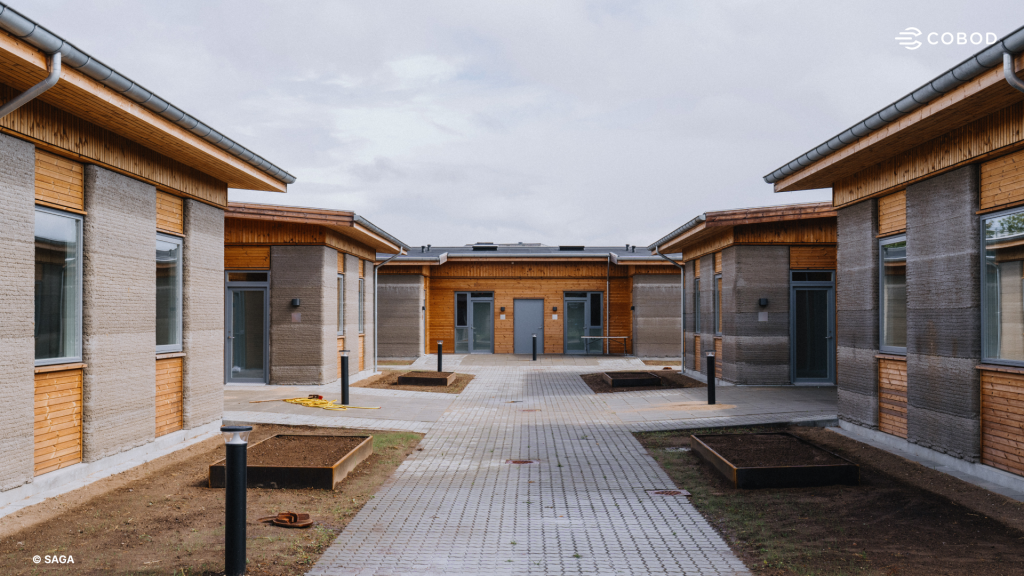
On September 4, 2026, 3DCP Group announced the completion of "Skovsporet" (The Forest Trail) in Holstebro, Denmark. The project consists of 36 self-contained student apartments totaling 1,650 square meters, built using COBOD BOD3 printers. The development was completed below Denmark’s subsidized housing cost cap, marking a significant milestone for scaling 3D-printed construction for affordable housing.
Global 3D printing construction market projected to hit $410B by 2036
A new report released on September 8, 2026, forecasts that the global market for 3D printing in construction will grow to USD 410.75 billion by 2036. The growth is driven by automation, housing demand, and construction waste reduction. This surge signals a shift from experimental single-home projects to industrial-scale adoption by developers and governments.
New financing guide addresses prefab tiny home affordability
Tiny House Cottages published a comprehensive guide on September 5, 2026, detailing how to finance prefab tiny homes in the current economic climate. The guide highlights that traditional banks often reject tiny home loans due to classification issues (RV vs. real estate), recommending HELOCs and personal loans instead. It emphasizes that while upfront costs are lower, interest rates for non-traditional mortgages can be significantly higher, impacting long-term affordability.

ICON showcases diverse applications of single 3D-printing system
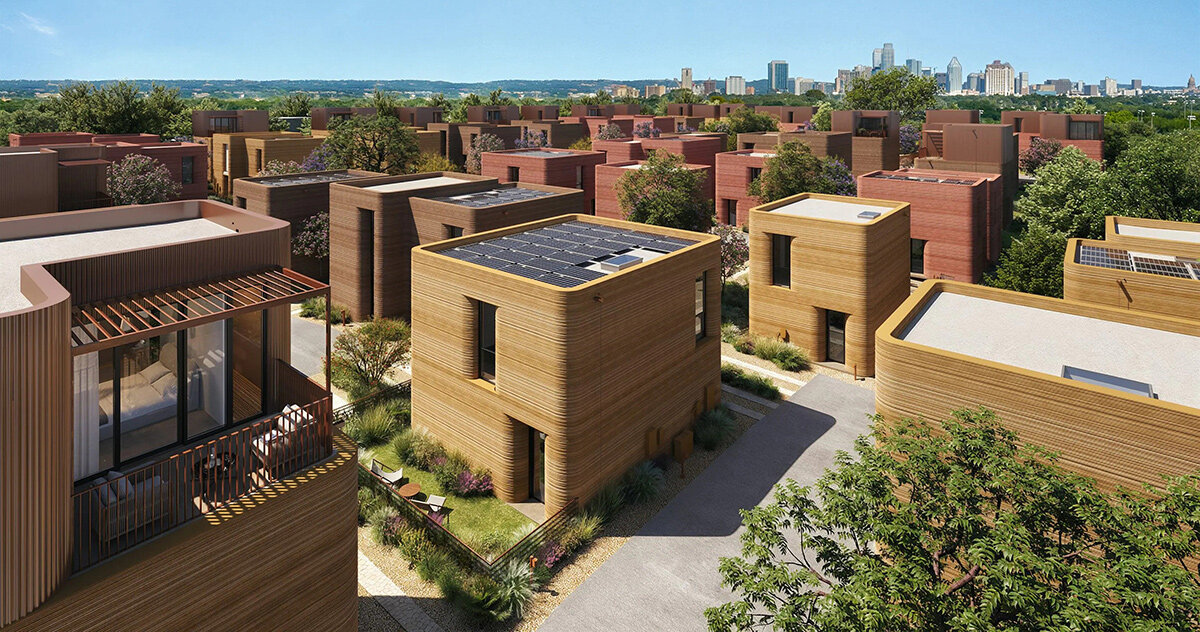
Designboom reported on September 1, 2026, that construction tech firm ICON is using one unified 3D-printing system to create radically different types of homes, from suburban communities to desert retreats. This demonstrates the versatility of additive manufacturing in architectural design, allowing for custom layouts without the tooling costs associated with traditional modular factory production.
Local view
Japan’s prefab market sees renewed interest in compact units
Japanese media outlets are reporting on the growing business opportunities in Japan's prefab and modular housing market from 2025 to 2035. A press release from KD Market Insights on September 3, 2026, highlights that offsite construction is gaining traction as a solution to labor shortages and aging infrastructure. Local stakeholders are focusing on "narrow-lot" specialists who can deliver high-quality homes on small urban plots, often under 20 tsubo (~66 m²).
Context & numbers
- Modular Home Costs: In 2026, the average cost of a modular home in the US ranges from $80 to $160 per square foot, with total installed costs between $160,000 and $320,000 depending on size and finish.
- Cost Savings: Modular construction offers 10–20% savings compared to stick-built homes, primarily due to reduced waste and faster construction timelines.
- Japan Prefab Entry Points: In Japan, basic prefab structures can start around 5 million yen (~$33,000 USD), though total project costs including foundation and utilities often exceed this significantly.
On the radar
- Kingspan MICROHOME 2026 Competition: The deadline for submissions for the €100,000 prize competition is September 30, 2026. Architects and engineers are encouraged to submit designs for sustainable, micro-sized living solutions.
- Veev Leadership Changes: Following recent CEO exits at Veev, industry watchers are monitoring how the company’s pivot toward scalable prefab manufacturing will impact its ability to meet delivery targets after raising $650 million.
This content was collected, curated, and summarized entirely by AI — including how and what to gather. It may contain inaccuracies. Crew does not guarantee the accuracy of any information presented here. Always verify facts on your own before acting on them. Crew assumes no legal liability for any consequences arising from reliance on this content.
Powered by
