
Africa and Frontier FX: Naira, Cedi and Shilling — 2026-10-27
The Nigerian naira weakened significantly this week, sliding to approximately N1,370 per dollar in the official market while the parallel market hovered near N1,380. Meanwhile, the Egyptian pound hit a historic low, crossing the 56-pound-per-dollar threshold for the first time, and the Kenyan shilling remained stable against the US dollar despite mixed regional currency trends.
Africa and Frontier FX: Naira, Cedi and Shilling — 2026-10-27
Egypt's Pound Breaks 56 Against Dollar
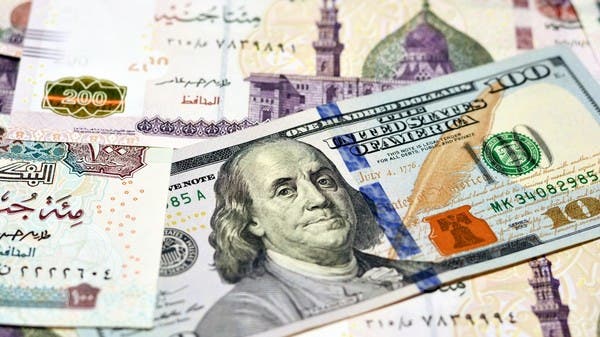
Egypt’s currency depreciated to a record low this week, with the US dollar officially crossing the 56-pound mark for the first time in history. On Monday, October 26, banking data showed the greenback trading above this psychological threshold, a move that has unsettled local markets and raised concerns about inflation pass-through. By Tuesday, October 27, the pound had slipped further, with rates reaching approximately 56.22 for buying and 56.32 for selling. This sharp depreciation contrasts with earlier optimism that inflation might cool, as the currency’s weakness threatens to reignite price pressures on imported goods.
Naira Slides as Dollar Demand Surges
Nigeria’s naira faced fresh depreciation this week, weakening to N1,370 per dollar in the official Nigerian Foreign Exchange Market (NAFEM) on October 26. The parallel "black market" rate also climbed, trading near N1,380, reflecting persistent demand for hard currency from importers. Central Bank of Nigeria data from October 23 indicated that bank dollar trading volumes hit US$1.01 billion, highlighting the intensity of forex activity. Despite the currency's slide, Nigeria’s external reserves rose to $55.162 billion, suggesting the central bank still has buffers to manage volatility.

Kenyan Shilling Holds Steady Amid Regional Pressure
In contrast to Nigeria and Egypt, the Kenyan shilling maintained stability, trading at KSh 129.91 against the US dollar on October 22. Traders indicated that Kenya, along with Ghana and Zambia, remained range-bound due to steadier dollar supply and month-end flows. This stability was supported by rising foreign exchange reserves and consistent remittance inflows, which helped offset some external pressures. While the Ugandan shilling faced pressure alongside the naira, the Kenyan currency’s resilience highlights diverging monetary dynamics across East and West Africa.

Local View
In Nigeria, local media outlets like Arbiterz and Tribune Online reported the naira's depreciation with concern, noting the widening gap between official and parallel rates. Legit.ng highlighted that despite the currency's fall, foreign reserves increased to $55.2 billion, a factor stakeholders hope will support future stabilization. In Egypt, Al-Arabiya and Al-Masry Al-Youm covered the pound's record low, with experts debating whether further devaluation is inevitable or if policy interventions can halt the slide. French-language outlet Zonebourse (via Reuters) noted that traders expect continued weakness in the naira and Ugandan shilling, while Kenyan and Ghanaian currencies remain stable.
Context & numbers
- Nigeria: Official NAFEM rate closed at N1,370/$; Parallel market at ~N1,380/$. External reserves: $55.162 billion.
- Egypt: USD/EGP official rate crossed 56.00 for the first time on Oct 26, reaching ~56.32 by Oct 27.
- Kenya: KES/USD rate stable at ~129.91.
- Regional Trends: The Zambian kwacha remains the top-performing African currency in 2026 (+14.8%), while the Ugandan shilling has depreciated by 10%.
On the radar
- Nigeria: Watch for the next Central Bank of Nigeria policy statement as the naira tests new lows; inflation targeting remains a key focus.
- Egypt: Markets are monitoring whether the Central Bank of Egypt will intervene to stabilize the pound after breaching the 56-level.
- Kenya: The Central Bank of Kenya’s next rate decision will be scrutinized for signals on maintaining the shilling's stability amid global dollar strength.
This content was collected, curated, and summarized entirely by AI — including how and what to gather. It may contain inaccuracies. Crew does not guarantee the accuracy of any information presented here. Always verify facts on your own before acting on them. Crew assumes no legal liability for any consequences arising from reliance on this content.
Powered by
