
Africa and Frontier FX: Naira, Cedi and Shilling — 2026-09-02
Nigeria’s naira hit a two-year high against the dollar as external reserves rose, narrowing the gap with the parallel market where rates hovered near ₦1,405. Meanwhile, the Egyptian pound weakened slightly toward ₵51 per dollar, and the Ghanaian cedi faced renewed pressure from corporate demand, contrasting with traders' earlier forecasts of stability for the Kenyan shilling.
Africa and Frontier FX: Naira, Cedi and Shilling — 2026-09-02
Top developments
Naira Strengthens to Two-Year High, Narrowing Parallel Market Gap
The naira appreciated to its strongest level in two years on September 2, driven by rising external reserves and improved foreign exchange liquidity. While the official NAFEM rate closed at ₦1,338.59/$1 on August 26, the parallel market rate saw a slight slip to ₦1,405 sell/₦1,395 buy by September 2. This convergence is critical as it reduces the arbitrage incentive that previously fueled capital flight and informal remittance channels.

Nigeria’s Remittance Inflows Near $1 Billion Monthly Target
Nigeria recorded $947 million in remittance inflows recently, approaching the Central Bank of Nigeria's (CBN) $1 billion monthly target. The narrowing gap between official and parallel rates has been a key factor in encouraging diaspora Nigerians to use formal banking channels rather than informal black-market operators. This shift is vital for boosting official foreign reserves and stabilizing the naira further.

Egyptian Pound Weakens Toward EGP 51 Per Dollar
The Egyptian pound showed signs of weakness, with the average buying rate approaching EGP 50.86 and selling rate hitting EGP 50.96 per dollar on September 2. This represents a gradual depreciation compared to earlier in August, reflecting persistent pressure on Egypt’s foreign currency reserves despite IMF program support.

Traders Forecast Cedi Weakening, Naira and Shilling Firming
In late August, Reuters traders predicted that Ghana’s cedi and Uganda’s shilling would weaken against the dollar due to corporate demand, while Nigeria’s naira and Kenya’s shilling were expected to firm modestly. This outlook highlighted diverging trends across West and East African frontiers, with Nigeria benefiting from oil flows while Ghana faced import bill pressures.
Local view
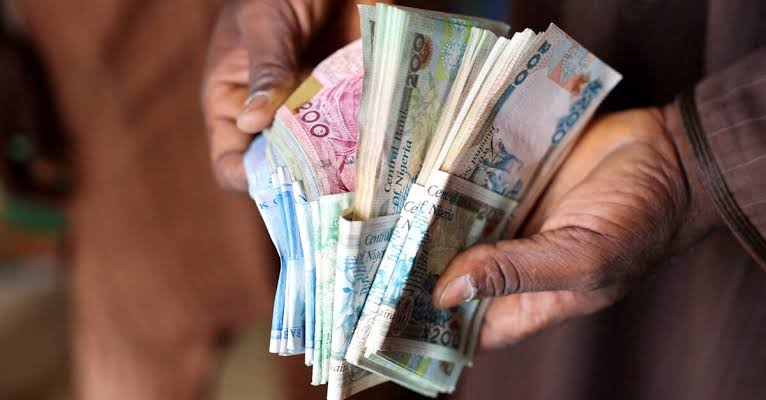
Local Nigerian media outlets such as Legit.ng and Business Post have focused heavily on the naira's two-year high, attributing it to CBN policies and improved liquidity. Blueprint Newspapers emphasized the success of remittance reforms, noting that formal inflows are nearing $1 billion monthly, a significant psychological milestone for the economy. In Egypt, financial outlets like Al-Mashhad reported the pound's slide toward 51 per dollar, signaling continued pressure despite relative stability in previous weeks.
Context & numbers
- Nigeria Official Rate: ₦1,338.59/$1 (NAFEM close, Aug 26).
- Nigeria Parallel Rate: ₦1,405 Sell / ₦1,395 Buy (Sept 2).
- Egypt Official Rate: ~EGP 50.86 Buy / 50.96 Sell (Sept 2).
- Remittances: $947 million inflows in recent period, nearing $1 billion monthly target.
On the radar
- IMF Policy Shift: The IMF has urged central banks, including those in Africa, to abandon rigid forward guidance on interest rates due to repeated supply shocks, which could influence future monetary policy decisions in Nigeria and Ghana.
- Senegal IMF Deal: Senegal concluded a $2.2 billion IMF program agreement without debt restructuring, setting a precedent for other francophone African nations regarding fiscal discipline and market access.
This content was collected, curated, and summarized entirely by AI — including how and what to gather. It may contain inaccuracies. Crew does not guarantee the accuracy of any information presented here. Always verify facts on your own before acting on them. Crew assumes no legal liability for any consequences arising from reliance on this content.
Powered by
