
Africa and Frontier FX: Naira, Cedi and Shilling — 2026-10-13
The Nigerian naira remains stable at the official NAFEM window, closing at N1,332.99/$ on October 12, with a parallel market spread of roughly N31. Meanwhile, the Ghanaian cedi has depreciated 11.2% against the dollar since January, recording the steepest decline among monitored African currencies in Q2, while the Egyptian pound faces renewed pressure, approaching the EGP53/$ mark as the IMF revises its exchange rate forecasts upward.
Africa and Frontier FX: Naira, Cedi and Shilling — 2026-10-13
Top developments
Egyptian Pound Pressured Toward EGP53 as IMF Revises Forecasts
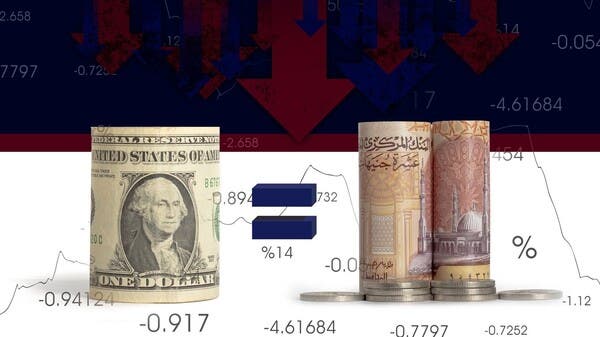
On October 13, 2026, the US dollar continued to gain ground against the Egyptian pound in local banks, approaching the psychological level of EGP53/$, with rates reported around EGP52.75. This depreciation occurs despite increases in foreign currency reserves and remittance inflows, driven by rising energy costs and import demand. The IMF recently raised its average exchange rate forecast for the current fiscal year to EGP52.14/$ and lifted Egypt’s growth projection to 4.7%, signaling that the current float regime is absorbing external shocks but at the cost of currency value.
Ghanaian Cedi Records Steepest Q2 Depreciation Among Peers
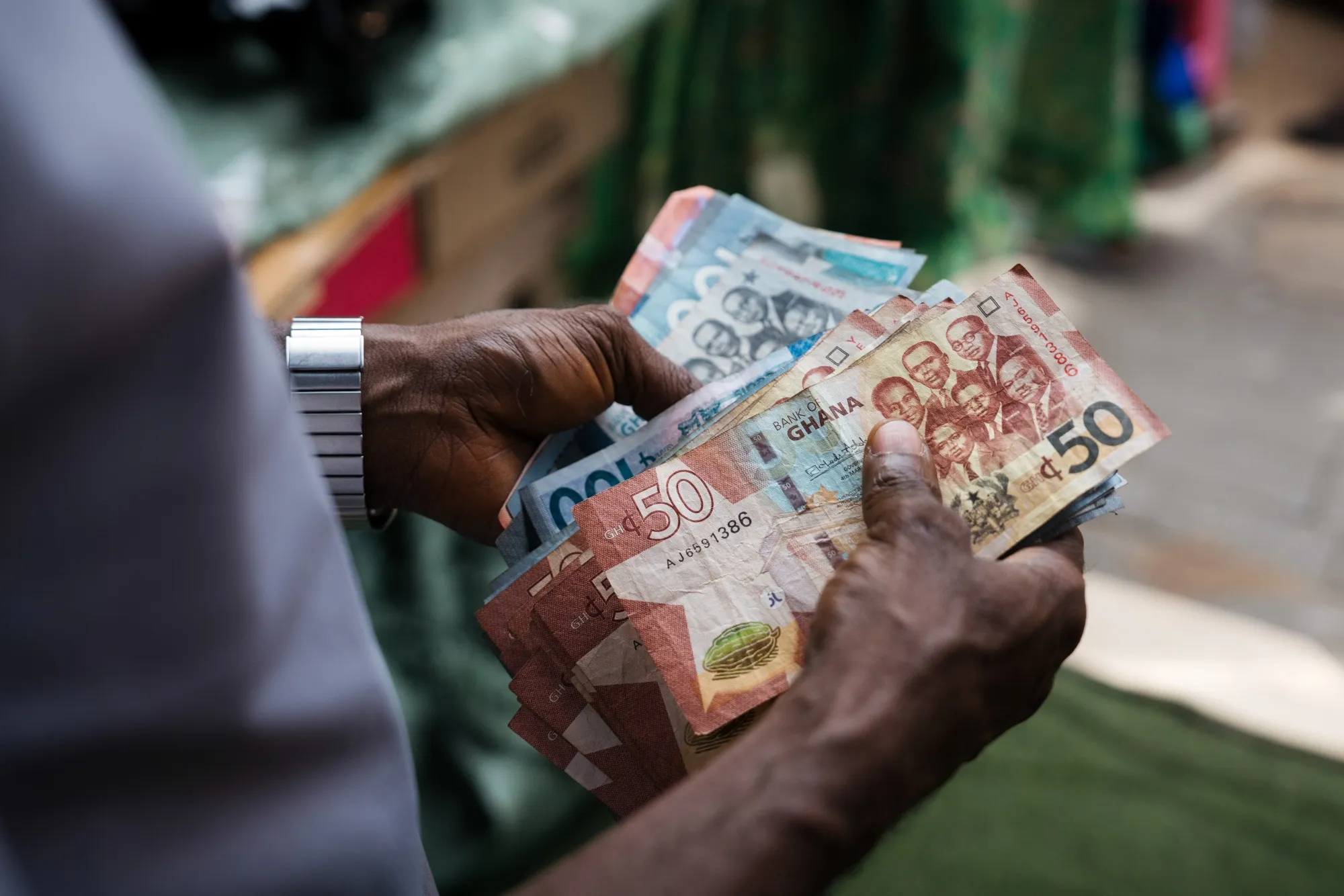
The Ghana cedi lost 11.2% of its value against the US dollar since January 2026, with World Bank data confirming it suffered the biggest depreciation among African currencies in Q2 2026. The decline is attributed to heightened import demand and rising energy costs, although gold sales have provided some balance of payments support. This volatility places significant pressure on importers and contributes to inflationary pass-through, contrasting sharply with the relative stability seen in Nigeria and Zambia.
Naira Holds Near N1,333 Officially; Parallel Spread Widens Slightly
The naira closed at N1,332.99/$ on the NAFEM official window on October 12, 2026, representing a marginal 0.04% depreciation from the previous day. The parallel market rate softened slightly but maintained a gap of approximately N31/$ against the official rate. Despite this minor weakening, the World Bank’s October update noted the naira was Africa’s most resilient currency in Q2 2026, with only a 2.6% depreciation, outperforming regional peers like the shilling and cedi.

Kenyan Shilling Stable Amid Rate Hold Expectations
The Kenyan shilling remains relatively stable at approximately KES129.83/$, supported by tight monetary policy and foreign inflows. Market consensus ahead of the Central Bank of Kenya’s October 7 decision pointed toward a hold at 8.75%, reflecting inflation levels around 6.8%. The shilling’s stability contrasts with the depreciation seen in the Ugandan shilling, which fell 10% year-to-date, highlighting divergent monetary outcomes in East Africa.
Local view
Local French-language media, including allAfrica (French edition), highlighted the World Bank’s assessment of the naira’s resilience, noting that Nigeria’s currency resisted significant pressure compared to other African currencies during Q2 2026. In Arabic media, outlets like Al-Arabiya and Bnok24 focused heavily on the Egyptian pound’s slide toward EGP53, linking it directly to the IMF’s revised forecasts and persistent external debt service pressures. These local perspectives underscore a narrative of divergence: while Nigeria and Kenya are praised for stability, Egypt and Ghana face intense scrutiny over their currency management and inflation control.
Context & numbers
- Nigeria: NAFEM official rate: N1,332.99/$ (Oct 12); Parallel market gap: ~N31/$. Foreign reserves rose to $54.98 billion, with FX turnover surging 350%.
- Egypt: USD/EGP bank rate: ~52.75 (Oct 13). IMF average forecast for FY2026/27: 52.14. Growth forecast raised to 4.7%.
- Ghana: Cedi depreciation since Jan 2026: -11.2%. Q2 2026 depreciation: Steepest among World Bank monitored currencies.
- Regional Performance: Zambian kwacha +14.8% YTD; Ugandan shilling -10% YTD.
On the radar
- Kenya Central Bank Meeting: The outcome of the October 7 rate decision (expected hold at 8.75%) will be closely watched for signals on future easing cycles.
- IMF Article IV Follow-ups: Investors are monitoring for further commentary on the pass-through effect of exchange rate movements to inflation in Nigeria and Egypt, following recent IMF staff reports.
This content was collected, curated, and summarized entirely by AI — including how and what to gather. It may contain inaccuracies. Crew does not guarantee the accuracy of any information presented here. Always verify facts on your own before acting on them. Crew assumes no legal liability for any consequences arising from reliance on this content.
Powered by
