
Africa and Frontier FX: Naira, Cedi and Shilling — 2026-09-11
Nigeria's naira weakened slightly on the official market to ₦1,334/$ while parallel rates remained sticky near ₦1,410/$, with foreign reserves climbing to $54.28bn. In East Africa, the Kenyan shilling held steady near KSh 129.47 as traders await new IMF talks, while the Ghanaian cedi is forecast to weaken further. The Egyptian pound saw modest depreciation against the dollar, closing the week with a slight rise in bank rates.
Africa and Frontier FX: Naira, Cedi and Shilling — 2026-09-11
Top developments
Naira weakens officially but reserves hit record high
On September 9, 2026, the naira closed at ₦1,334.00/$1 on the official Nigerian Foreign Exchange Market (NAFEM), representing a depreciation of ₦11.10 (0.83%) from the previous day. Despite this official weakening, Nigeria's gross external reserves climbed to $54.28 billion, the highest level in approximately 18 years, signaling strong underlying liquidity even as the parallel market rate hovered around ₦1,390–₦1,410/$1. This divergence highlights the persistent gap between official and black-market rates, which remains a key focus for the Central Bank of Nigeria (CBN).

Kenya shilling steady ahead of IMF negotiations
The Kenyan shilling maintained its position near KSh 129.47 to the dollar as of early September 2026, with the Central Bank of Kenya (CBK) listing the rate at KSh 129.43 on September 7. Traders indicate that the currency is holding steady, supported by monetary policy and foreign inflows, despite lingering debt distress risks. The stability comes as Nairobi prepares for new IMF programme talks following the lapse of its previous facility in 2025.
Ghana cedi and Uganda shilling forecast to weaken
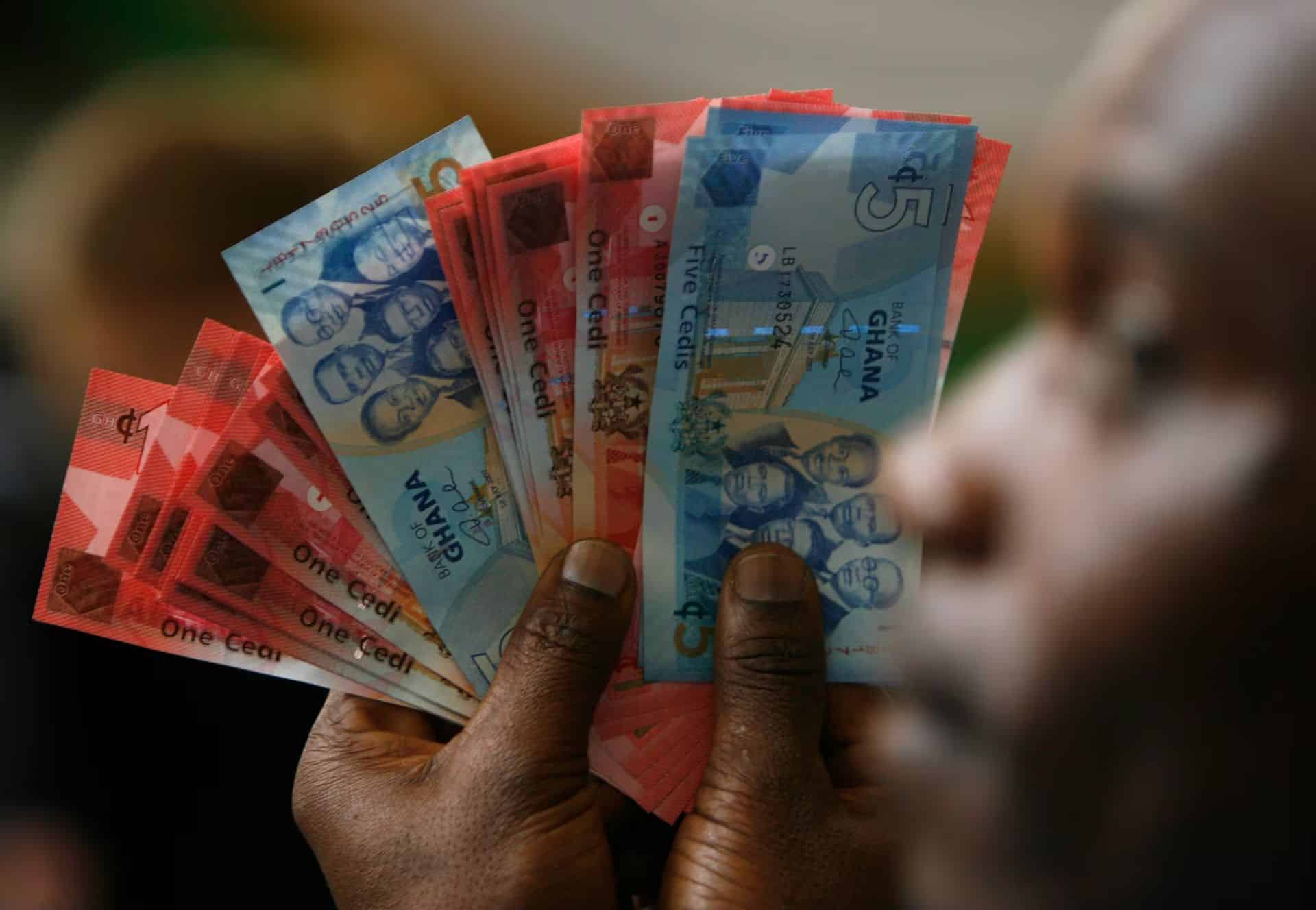
Forecasts from Reuters traders suggest that the Ghanaian cedi will continue its gradual slide against the US dollar in the coming week, while the Ugandan shilling is also expected to weaken further. In contrast, the Kenyan shilling and Zambian kwacha are seen holding steady. This divergence places pressure on Ghana's currency management, especially as it attempts to stabilize after significant volatility earlier in the year.
Egyptian pound sees minor depreciation
The Egyptian pound experienced slight depreciation against the US dollar during the week of September 9–11, 2026. On Wednesday, September 9, the dollar rose by 15 piastres against the pound in banks, and by Thursday, September 10, it added another 11 piastres, pushing average bank buying rates above EGP 51.00/$1. This movement reflects broader pressure on frontier currencies in North Africa amid global dollar strength.
Local view
Local media outlets like Vanguard in Nigeria have highlighted the resilience of the parallel market, where the naira appreciated marginally to ₦1,387/$ from ₦1,390/$ earlier in the week, suggesting some stabilization in informal channels despite official fluctuations. In Kenya, The Kenya Times reported that the shilling edged higher against the dollar ahead of the new trading week, citing CBK data showing improved margins from the previous week's average. Meanwhile, French-language outlet Financial Afrik reported on the IMF's warning regarding Nigeria's debt financing crisis, noting that the Fund advised Lagos to strengthen revenues to limit risks associated with rising borrowing costs.
Context & numbers
- Nigeria: Official NAFEM rate closed at ₦1,334.00/$ (Sept 9); Parallel market ranged between ₦1,380–₦1,410/$. Gross external reserves reached $54.28bn.
- Kenya: Shilling traded at KSh 129.43/$ (Sept 7) and KSh 129.47/$ (early Sept). Pound Sterling at KSh 175.22; Euro at KSh 150.51.
- Egypt: Dollar/EGP average bank rate rose to approx EGP 51.00–51.15/$ by Sept 10.
- Policy: CBN benchmark rate remains at 26.50%.
On the radar
- IMF Reviews: Kenya is entering critical discussions for a new IMF programme; any delay or strict conditionality could impact shilling stability.
- Nigeria Reserves: Watch for continued growth in Nigeria's external reserves; if they sustain above $54bn, it may help narrow the official-parallel gap, though political pressure for devaluation or unification remains high.
- Ghana Cedi Trends: Traders are watching for any intervention by the Bank of Ghana to halt the cedi's gradual slide against the dollar.
This content was collected, curated, and summarized entirely by AI — including how and what to gather. It may contain inaccuracies. Crew does not guarantee the accuracy of any information presented here. Always verify facts on your own before acting on them. Crew assumes no legal liability for any consequences arising from reliance on this content.
Powered by
